Investing in heirloom quality children's clothing is worthwhile because these garments utilize durable natural fibers and timeless designs that outlast fast fashion trends. These pieces are crafted to be passed down through generations or resold; they provide superior comfort for sensitive skin while promoting environmental sustainability through slow fashion practices.
Many parents are familiar with the frustration of a wardrobe filled with mass produced garments that lose their shape or soften into rags after just a few laundry cycles. When seams pull apart and delicate fabrics fail to endure the rigors of childhood play, the true cost of fast fashion becomes clear. Choosing heirloom quality children’s clothing is a practical shift toward intentionality and lasting value. In this guide, we will define the specific construction techniques that set heirloom pieces apart; we will also explore why artisan, natural textiles are the superior choice for the humid Florida coast. You will learn how to calculate the long term math of cost per wear, the benefits of high resale potential, and the proper methods for preserving these beautiful garments so they may be cherished by generations to come.
What Defines Heirloom Quality Children's Clothing
Heirloom quality children’s clothing is frequently misunderstood as a synonym for a luxury price tag. In reality, the term describes a garment’s physical integrity and the specialized labor required to create it. True heirloom pieces are defined by three pillars: exceptional natural fibers, traditional construction, and small-batch production. At Petit Soleil, our limited, heirloom-quality collections are built on these standards, ensuring every piece survives the transitions of childhood.
Materials form the foundation. While fast fashion relies on synthetic blends that pill and trap heat, heirloom garments utilize French linen and long-staple cotton. These fibers are naturally durable and breathable, which is essential for the Florida climate. Mass-produced items often carry "keep away from fire" warnings due to high polyester content; conversely, high-grade natural fibers offer a safer, more comfortable alternative for a child's sensitive skin.
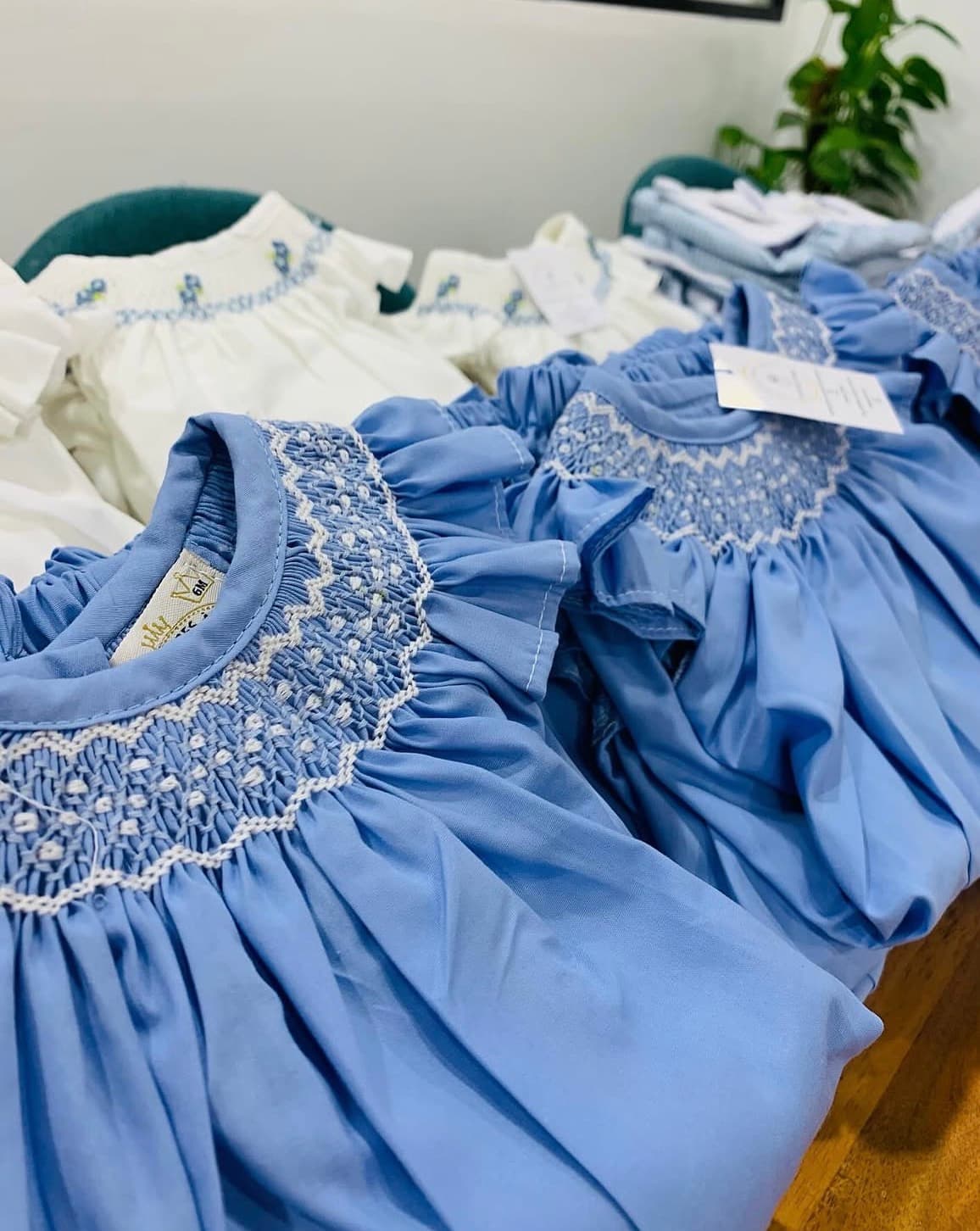
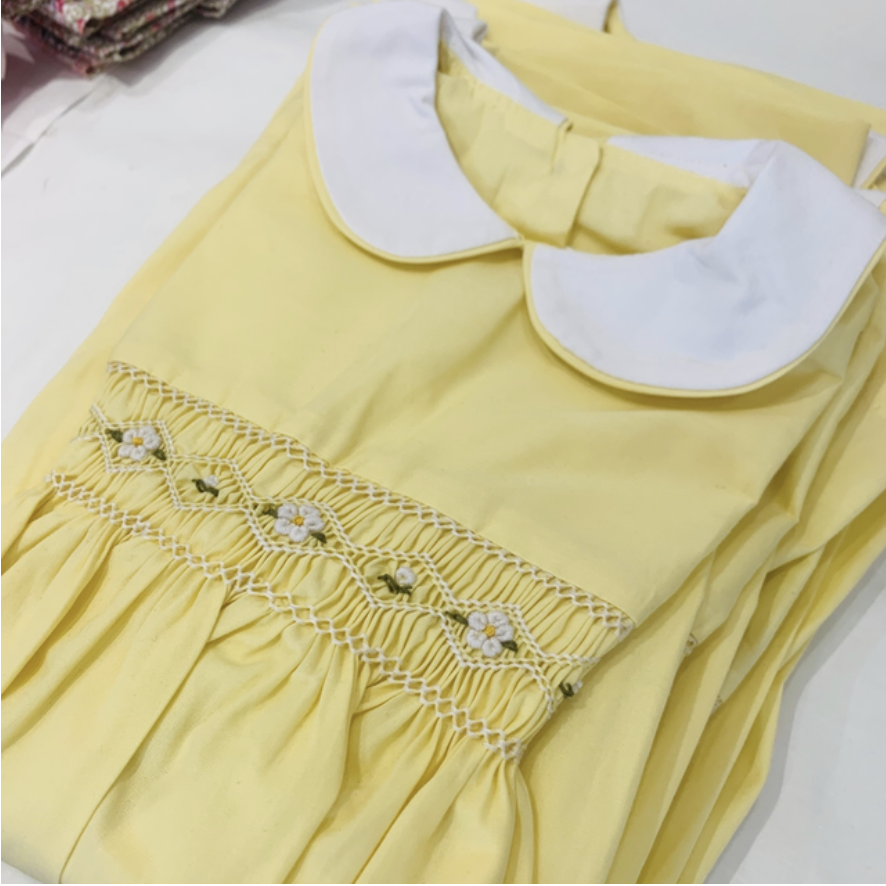
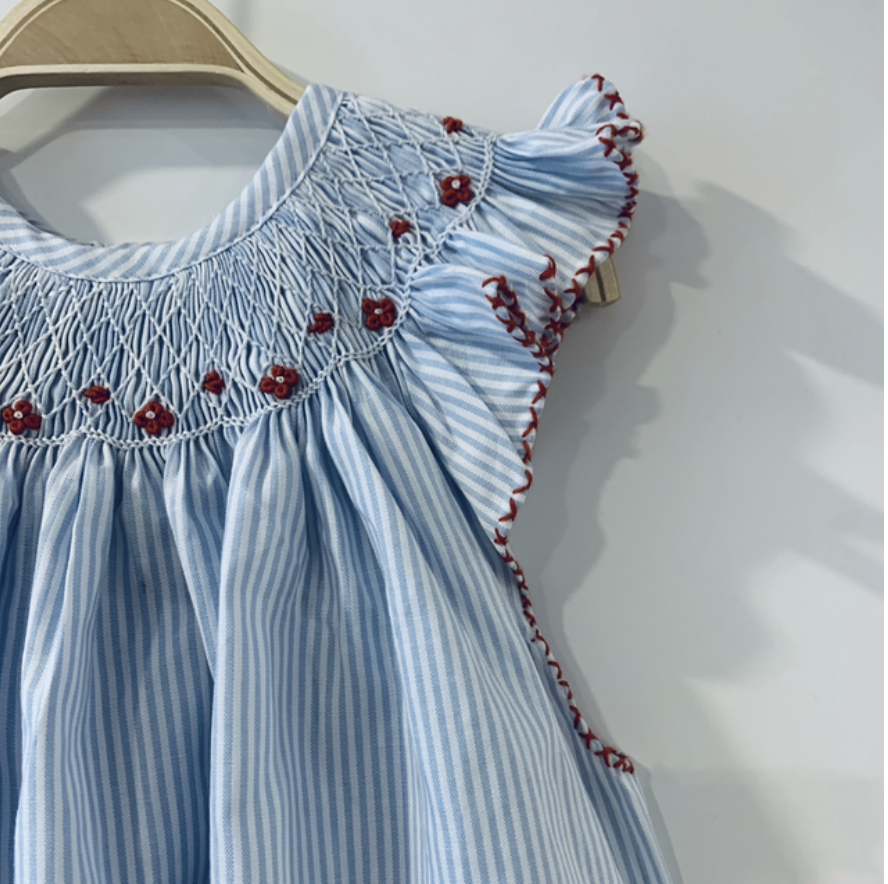
Construction techniques separate artisan work from factory lines. Expertly crafted pieces feature French seams, which enclose raw edges to prevent fraying and irritation. Hand-smocking and hand-stitched buttons are not merely decorative; they represent a level of structural reinforcement that machines cannot replicate. During about our Parisian journey, we observed how these techniques are passed down through generations of artisans. By focusing on small-batch production, these makers maintain accountability for every stitch. This deliberate pace contrasts sharply with the speed of mass production, where volume often compromises durability. Choosing these pieces reflects a commitment to quality that extends beyond the current season, prioritizing garments meant to be cherished and eventually passed down.
The Real Math: Cost Per Wear and Resale Value
Investing in superior craftsmanship requires a shift in how we evaluate the price of a garment. Instead of looking at the checkout total, consider the Cost Per Wear (CPW). This simple calculation reveals that high-quality clothing often costs less over time than disposable alternatives that must be replaced frequently due to wear and tear.
Consider the life cycle of a $15 mass-produced dress. After three cycles of wearing and washing to remove Clearwater beach sand and salt, the synthetic fabric often pills, the seams twist, and the colors fade. With only three successful wears, the cost is $5.00 per wear before the item is discarded. In contrast, a piece from our limited, heirloom-quality collections is engineered for longevity through superior fiber selection and reinforced construction.
Metric | Mass-Produced Dress | Heirloom Artisan Piece |
|---|---|---|
Purchase Price | $15.00 | $90.00 |
Estimated Wears | 3 | 30+ |
Cost Per Wear | $5.00 | $3.00 |
Resale Potential | $0.00 | $45.00 to $63.00 |
Net Final Cost | $15.00 | $27.00 to $45.00 |
The financial benefit extends beyond the first owner. Because these pieces utilize French linen and traditional stitching, they maintain their aesthetic integrity through dozens of launderings. When a child outgrows an heirloom garment, it retains significant secondary market value. In high-end resale circles and luxury vintage boutiques, authentic artisan-made pieces frequently fetch 50 to 70 percent of their original retail price.
This durability also makes passing it down a viable reality rather than a sentiment. When the same $90 dress is worn by a younger sibling for another 30 occasions, the cost per wear drops significantly. By choosing heirloom quality children's clothing, families reduce the need for constant replacements while ensuring their children are dressed in safe, breathable garments. The initial expense is essentially a deposit on a piece that will either stay in the family for years or return a large portion of its value when its time in your home is complete.
Why Artisan Fabrics are Perfect for the Florida Coast
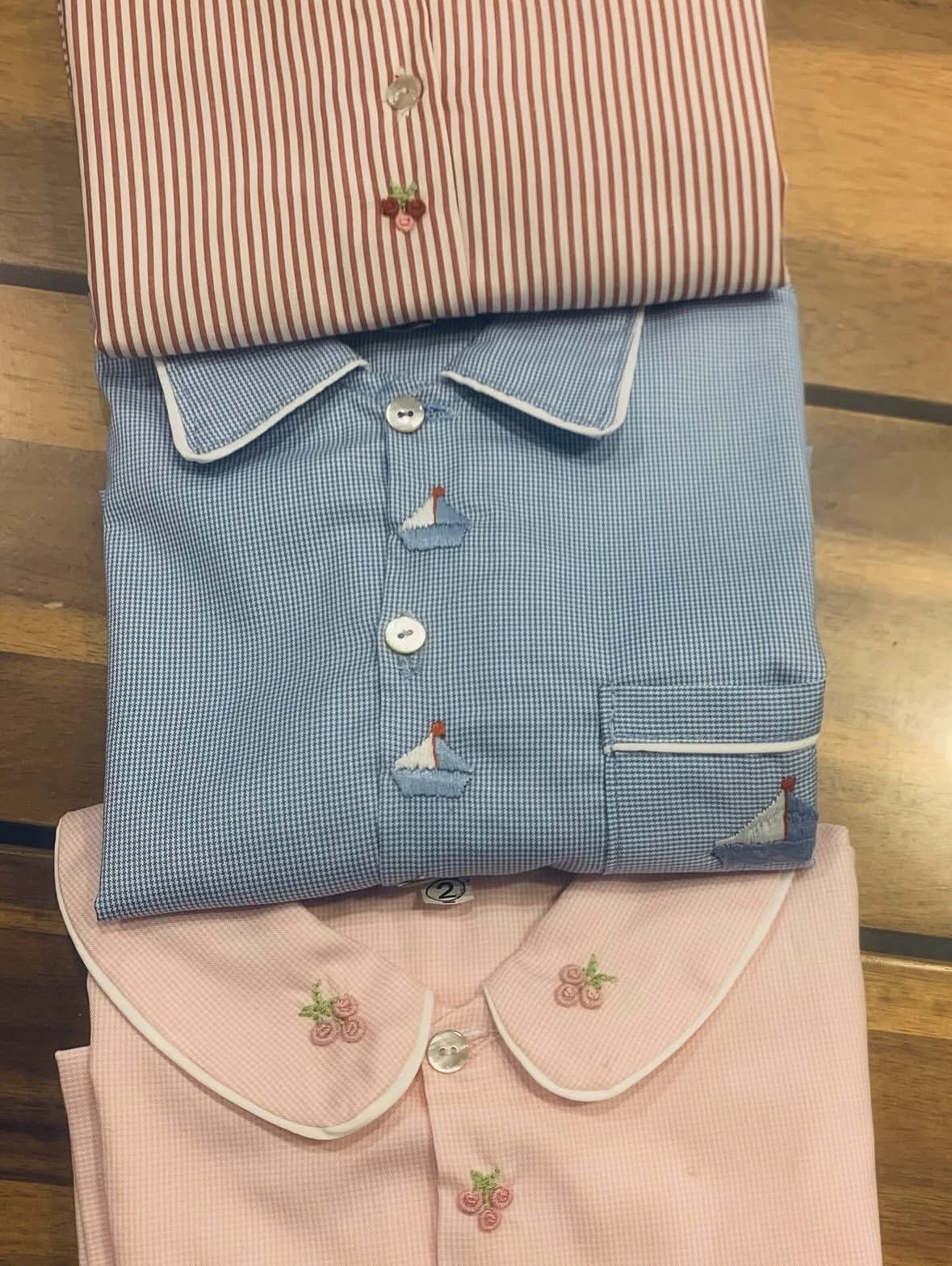
Beyond the long-term financial return, the physical performance of these garments is what truly distinguishes them within the Clearwater climate. The Gulf Coast humidity requires a specific caliber of textile that mass-produced garments rarely offer. While synthetic blends trap heat and moisture against a child’s skin, heirloom quality children's clothing relies on the natural ventilation of artisan-sourced fabrics like French linen and cotton voile.
Parisian artisans favor these materials for their structural integrity and superior breathability. Linen, in particular, is highly absorbent and dries rapidly, making it the ideal choice for a humid afternoon near the water. Cotton voile, characterized by its high thread count and lightweight weave, provides a diaphanous layer of protection that allows air to circulate freely. These fibers are not merely chosen for their elegance; they are selected for their resilience against the abrasive elements of a coastal lifestyle.
Salt air and fine sand can quickly erode cheap polyester blends, causing them to become thin, brittle, and scratchy after only a few outings. In contrast, the high-quality natural fibers found in our limited, heirloom-quality collections are remarkably durable. They withstand the frequent, rigorous laundering required by an active beach life without losing their shape or vibrant finish.
A unique characteristic of premium linen and cotton is that they actually improve with age. While fast-fashion items rely on chemical softeners that wash away to reveal a harsh texture, artisan fabrics soften with every cycle. The fibers relax and become more supple, ensuring that a cherished dress or romper becomes more comfortable the longer it is owned. This evolution transforms a garment from a simple piece of clothing into a soft, lived-in staple perfectly suited for the Florida sun.
The Slow Fashion Impact: Less Waste, More Meaning
The endurance of these natural fibers does more than just serve the wearer; it actively challenges the cycle of overconsumption. By prioritizing small-batch production, we intentionally distance ourselves from the significant textile waste generated by the fast fashion industry. Traditional manufacturing rewards speed and volume, frequently resulting in surplus inventory that ends up in landfills. Conversely, choosing heirloom quality children's clothing supports a system where every garment is accounted for and created with intent.
This shift toward slow fashion aligns with our commitment to giving back. When families invest in fewer, higher-quality pieces, they reduce their environmental footprint while supporting the survival of ancient artisan trades. Buying better truly means buying less, as a single well-made romper replaces several lower-quality alternatives that would have been discarded within months due to structural failure.
Beyond the environmental data, there is a profound emotional component to artisan clothing. Children possess a keen sense of tactile memory. They rarely recall a generic, mass-produced t-shirt, but they remember the weight of a hand-smocked dress worn to a seaside celebration or the specific softness of a French cotton sweater. These garments become memory anchors, pieces that carry the stories of a Florida childhood and the artistic legacy of the Parisian hands that made them. This connection transforms a simple purchase into a meaningful family artifact.
How to Care for and Preserve Heirloom Pieces
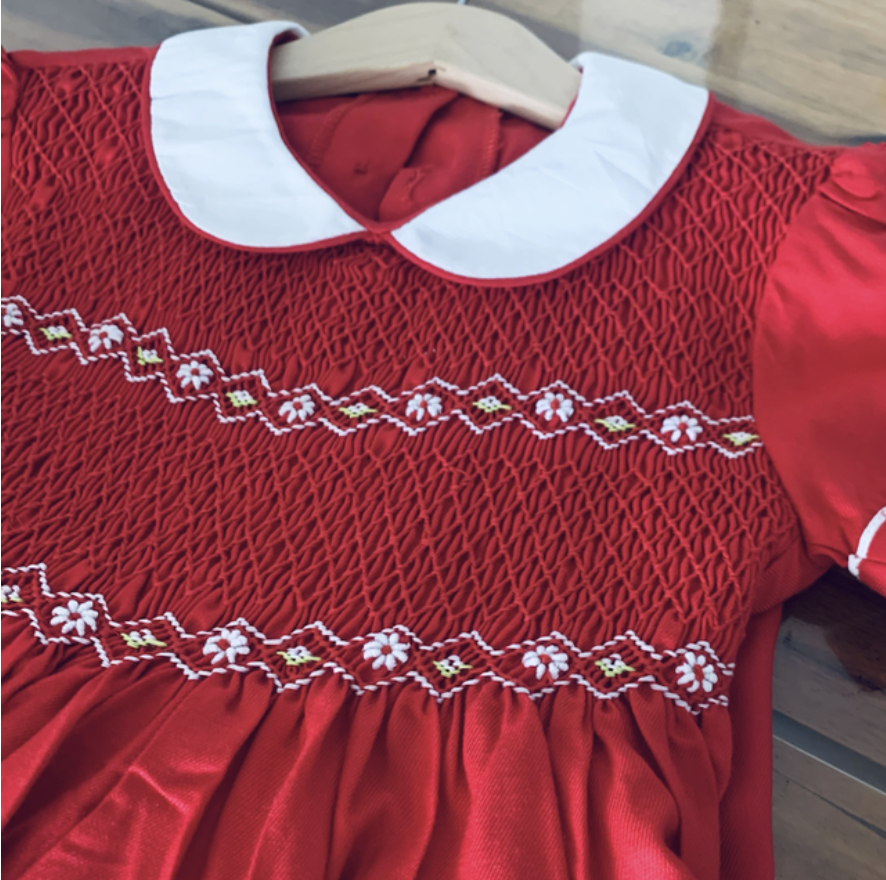
To ensure that heirloom quality children's clothing lives up to its name, proper maintenance is essential. While the French linen and cotton used in our limited, heirloom-quality collections are resilient enough for daily wear, they respond best to gentle, intentional handling that respects the integrity of the natural fibers. Proper care prevents the premature breakdown of the weave and keeps colors vibrant through years of use.
Following a specific laundering routine is the first step in preservation. Hand washing is the gold standard for artisan garments. Use cool water and a pH-neutral liquid detergent specifically formulated for delicate textiles. This approach prevents the harsh chemical stripping often found in mass-market detergents, which can dull the natural luster of high-grade linen. If you must use a machine, select a delicate cycle with a mesh laundry bag to protect buttons and lace from catching on the agitator.
Drying and ironing require a similarly cautious approach:
Avoid the dryer entirely. The high heat and mechanical friction cause microscopic fractures in natural fibers, leading to pilling and structural weakening over time.
Roll the wet garment in a clean, white towel to gently press out excess moisture. Do not wring the fabric, as this can distort the seams.
Lay the piece flat to dry in a shaded area. Avoid direct Florida sunlight during the drying process, as UV rays can act as a natural bleach on darker dyes.
When ironing, pay close attention to hand-smocking. Never iron directly on the smocked embroidery; the heat and pressure will flatten the delicate pleats and ruin the three-dimensional texture. Instead, iron the surrounding fabric or the reverse side, using light steam to refresh the smocking without crushing it.
For long-term storage, avoid plastic bins which trap moisture and gasses that lead to yellowing. Wrap clean, dry garments in acid-free tissue paper and place them in a breathable cotton garment bag. This protection is vital in the humid Clearwater climate, ensuring that the piece remains as pristine for the next generation as it was on its first day.
Signs of Quality to Look for When Shopping
Identifying the structural hallmarks of heirloom quality children's clothing during the selection process ensures that a garment is truly capable of becoming a multi-generational legacy. Beyond the initial aesthetic appeal, look closely at the interior construction. High-end garments feature finished internal seams, such as French seams, which enclose raw edges. This technique prevents fraying and ensures the fabric will not irritate a child's sensitive skin during active play.
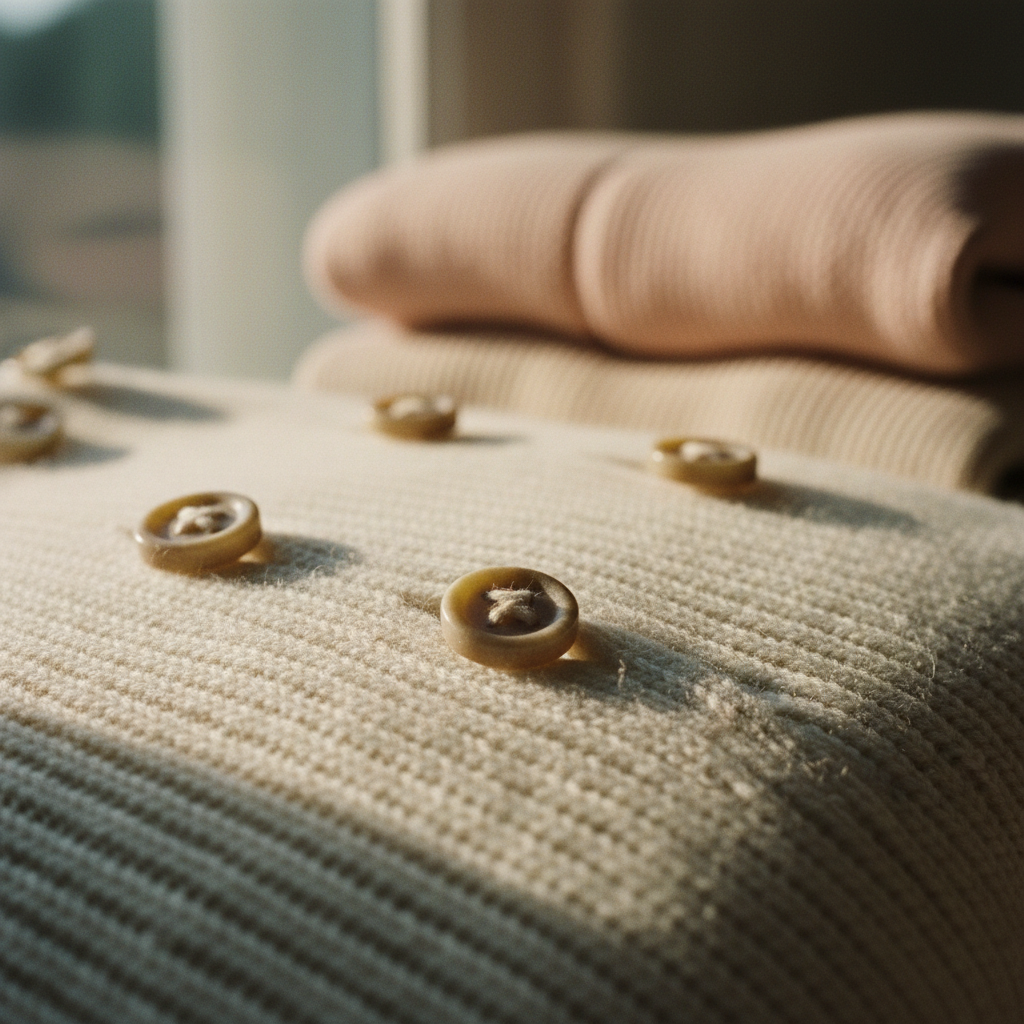
Examine the hardware and precision of the assembly. Artisan makers prioritize natural materials like mother of pearl or polished wood buttons over mass-produced plastic. You should also check the alignment of the fabric at the seams. In superior clothing, patterns like stripes or florals will match perfectly where panels meet, a detail that requires significant time and precision during the cutting process.
Consider the garment's capacity for growth. A sign of thoughtful, small-batch production is a generous hem allowance. This extra fabric allows for the piece to be let down as the child grows, extending its use across multiple years. Our limited, heirloom-quality collections are vetted for these specific artisanal markers, ensuring every piece reflects the technical excellence of the Parisian artisans we represent.
Investing in heirloom quality clothing is ultimately an investment in your family's history and the planet's future. By choosing pieces built to last, you ensure that every garment carries a legacy of care and craftsmanship. If you want expert help selecting items that perfectly balance beauty with longevity, our team is ready to assist. You can discover more on our About page regarding our philosophy and dedication to fine children's wear. We look forward to helping you curate a collection that will be cherished for years.