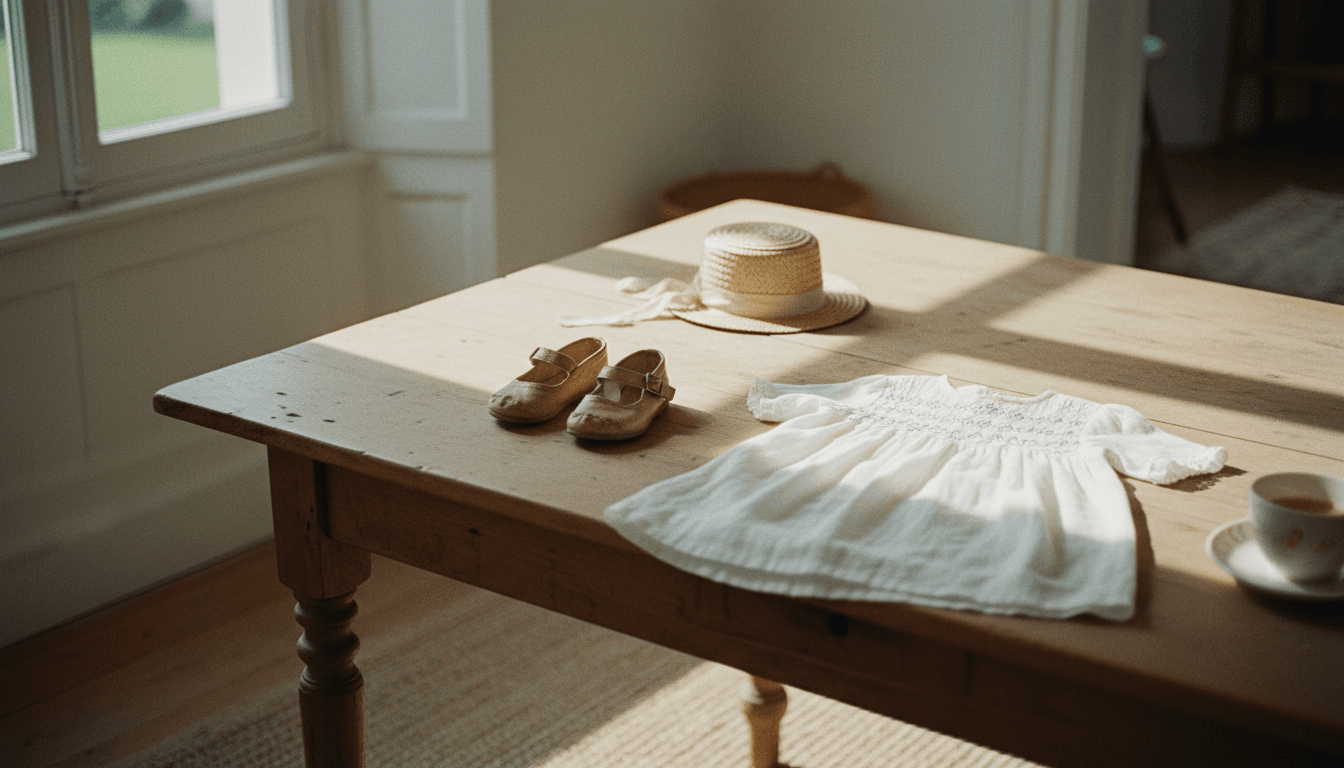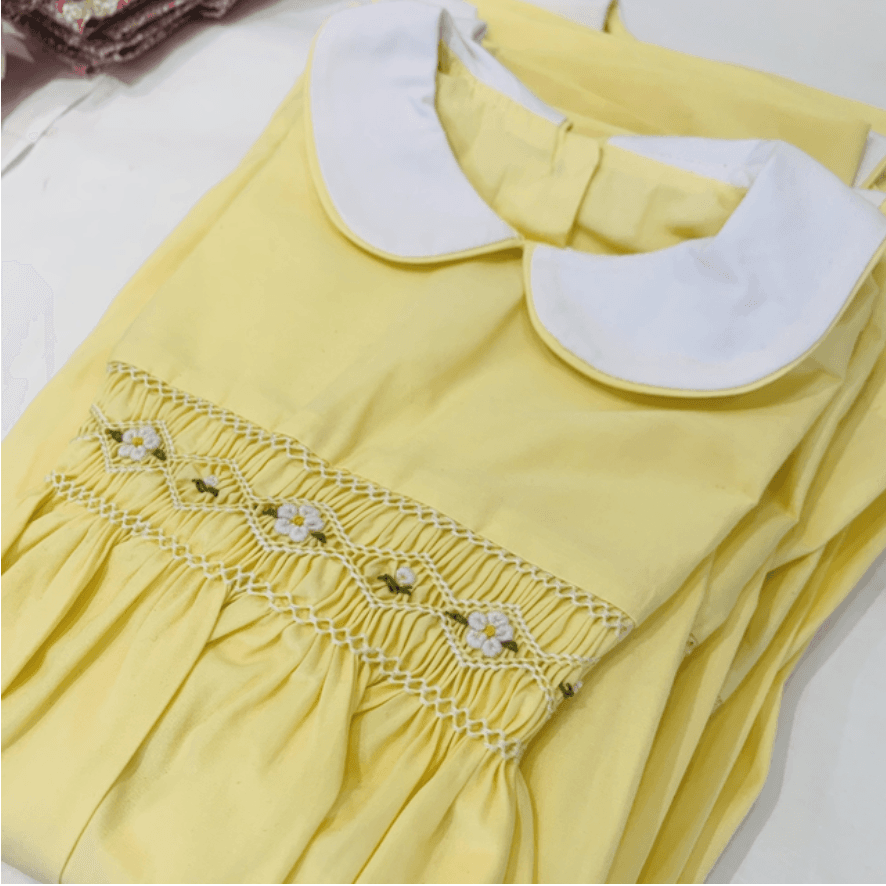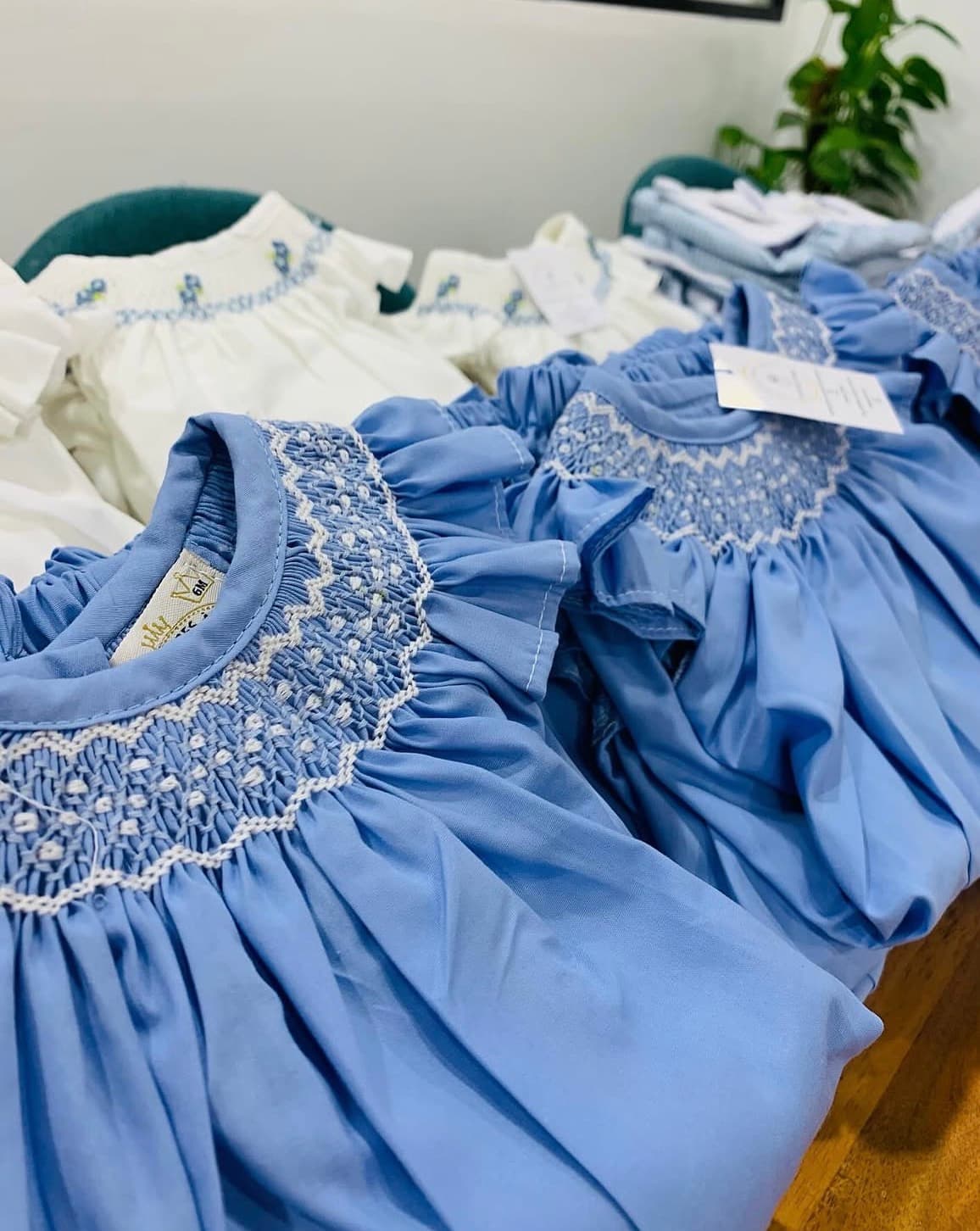
To master how to choose heirloom children's clothing, focus on high quality natural fabrics like Pima cotton and fine linens that offer superior durability and comfort for future generations. Prioritize garments with handmade details such as hand smocking or intricate embroidery, as these artisanal elements ensure the piece maintains its value and beauty over time. Selecting timeless designs instead of fast fashion trends allows these items to serve as lasting keepsakes for milestone occasions.
The frustration of watching a beloved garment fray after only a few wears is a common grievance for parents seeking quality over quantity. In an era of disposable fashion, finding pieces that truly endure to become part of a family legacy requires a discerning eye. A true heirloom is more than just a beautiful outfit; it is a testament to artisan skill and a tangible connection to the past. This guide will provide the technical expertise needed to build a meaningful legacy wardrobe. We will examine why natural fibers are essential for longevity, how to identify the marks of superior craftsmanship, and which French inspired silhouettes best transcend passing trends. You will also discover how to adapt Parisian elegance for a coastal Florida lifestyle, ensuring your selections remain as practical as they are timeless.
The Difference Between a Momentary Outfit and a Multi Generational Heirloom
Distinguishing a momentary outfit from a true heirloom requires looking beyond the price tag. While many luxury garments are simply expensive versions of current trends, an heirloom possesses a structural and aesthetic permanence that defies the fast fashion cycle. Disposable clothing is built for the immediate moment, often relying on synthetic blends and machine-driven mass production that begins to fray after a few washes. In contrast, timeless Parisian construction prioritizes longevity through techniques that allow a garment to endure through multiple children and decades of storage.
An heirloom is effectively a family album you can wear. It carries the weight of history, capturing the memory of a first birthday or a sunset walk on a Clearwater beach. To understand how to choose heirloom children's clothing, one must evaluate the balance of scarcity and artisan craftsmanship. These two factors are the strongest predictors of whether a piece will be preserved for the next generation or eventually donated.
At Petit Soleil, we focus on curated heirloom collections sourced from small Parisian ateliers. By producing pieces in limited quantities, we ensure that every garment maintains a sense of rarity. When a dress or romper is hand-stitched by a master artisan rather than a factory line, it ceases to be a commodity. It becomes a physical record of a specific time in a child's life, possessing the integrity to remain beautiful thirty years from now. This dedication to slow fashion ensures that the clothes your children wear today will one day be the clothes your grandchildren discover in a cedar chest, perfectly preserved and ready for a new chapter.
Prioritizing Fabric: Why Natural Fibers are Non Negotiable for Longevity
To select a garment that will withstand both the Florida sun and the passage of time, one must begin with the raw materials. Natural fibers are the cornerstone of artisan craftsmanship, chosen by Parisian ateliers not only for their beauty but for their inherent structural integrity. When determining how to choose heirloom children's clothing, the fabric’s ability to resist degradation during long term storage is paramount.
Fabric Type | Primary Benefit | Durability Factor |
|---|---|---|
Pima Cotton | Exceptional softness and hypoallergenic | Extra-long staple fibers prevent pilling and thinning. |
Linen | Superior breathability in humidity | Becomes stronger and softer with every wash. |
Cotton Voile | Lightweight and semi-sheer elegance | Tight weave maintains shape despite its delicate weight. |
Pima cotton is prized for its durability; its long fibers create a smooth surface that does not fray like standard short-staple cotton. For Clearwater families, linen and cotton voile are practical necessities. These fibers allow for maximum airflow, preventing the heat exhaustion common with polyester blends that trap moisture against the skin. Furthermore, natural textiles address critical safety concerns. They are free from the synthetic chemicals often found in mass-produced garments, providing a gentle, non-irritating environment for a child’s sensitive skin. By prioritizing these materials, you ensure the garment survives the humid Florida climate while retaining the strength to be worn by the next generation.
Assessing Artisan Craftsmanship: The Technical Marks of a Keepsake
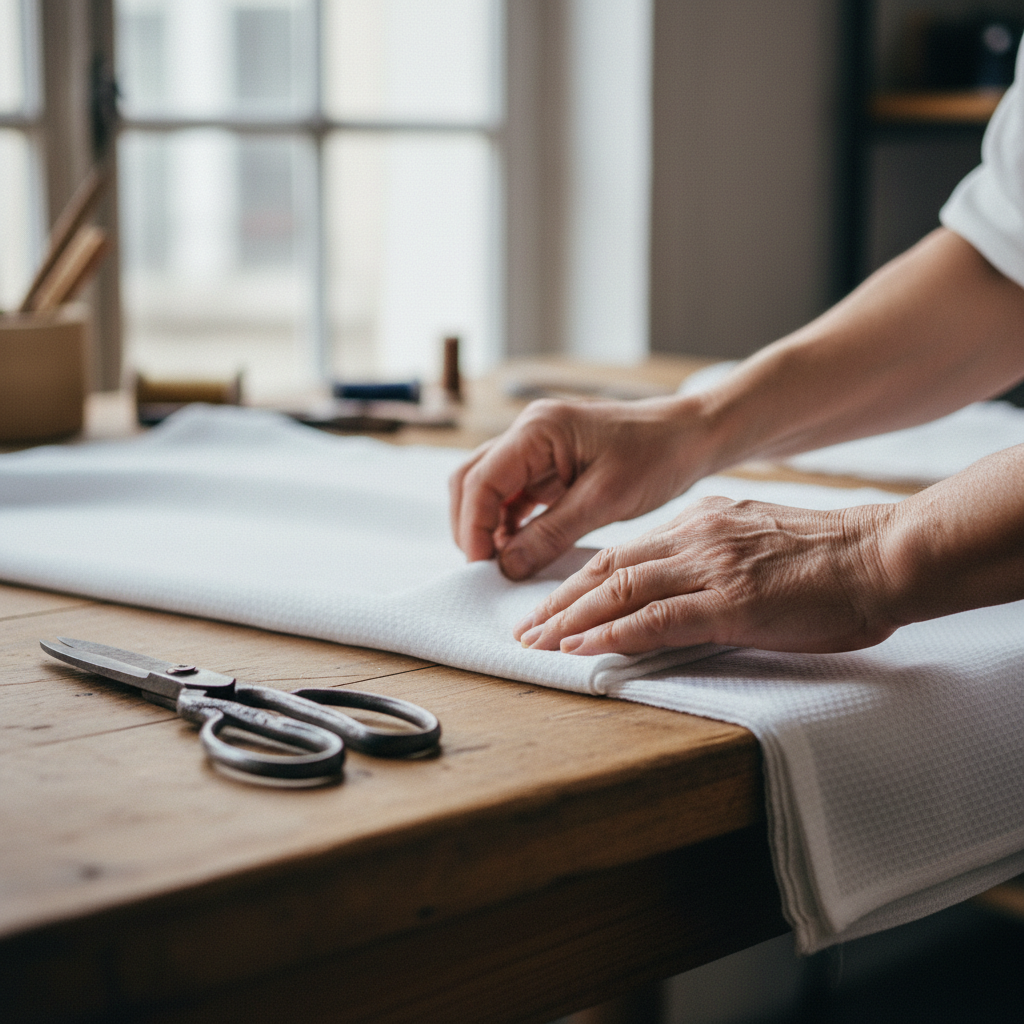
Building upon a foundation of natural fibers, the structural integrity of a garment is determined by the specific techniques used during construction. When evaluating how to choose heirloom children's clothing, a discerning eye must look past the surface design to the technical marks of artisan craftsmanship. These details ensure the piece remains functional and beautiful through decades of use rather than fraying after a single season.
Hand smocking is perhaps the most significant indicator of a true heirloom. A common question among parents is, "Why are baby smocks so expensive?" The answer lies in the labor-intensive process. While machine smocking is completed in seconds, authentic hand smocking requires an artisan to first pleat the fabric manually and then hand-stitch intricate patterns across the folds. This process can take anywhere from four to ten hours per garment. Beyond aesthetics, hand smocking provides a natural elasticity that machine-stitched elastic cannot replicate. This allows the chest of a dress or romper to expand comfortably as a child grows, offering a more versatile fit that lasts longer than standard sizing.
Technical Feature | Purpose in an Heirloom | Why it Matters |
|---|---|---|
French Seams | Enclosed raw edges | Prevents fraying and protects sensitive skin from irritation. |
Hand-Stitched Embroidery | Unique, non-uniform motifs | Signals a limited production run rather than mass manufacturing. |
Real Shell Buttons | Mother-of-pearl or Trocas | Durable and heat-resistant; they do not crack like plastic alternatives. |
Deep Hems | Extra fabric at the bottom | Allows the garment to be lengthened as the child gets taller. |
Examine the interior of the garment as closely as the exterior. Authentic Parisian pieces utilize French seams to completely encase raw fabric edges. This prevents the unraveling common in overlocked machine seams and ensures the piece can withstand the frequent laundering required for children’s wear. Finally, look for genuine shell buttons. Unlike plastic, shell is a natural material that maintains its luster and structural strength over time, serving as a subtle but definitive hallmark of a keepsake-quality garment.
Selecting Silhouettes That Transcend Trends: The French Influence
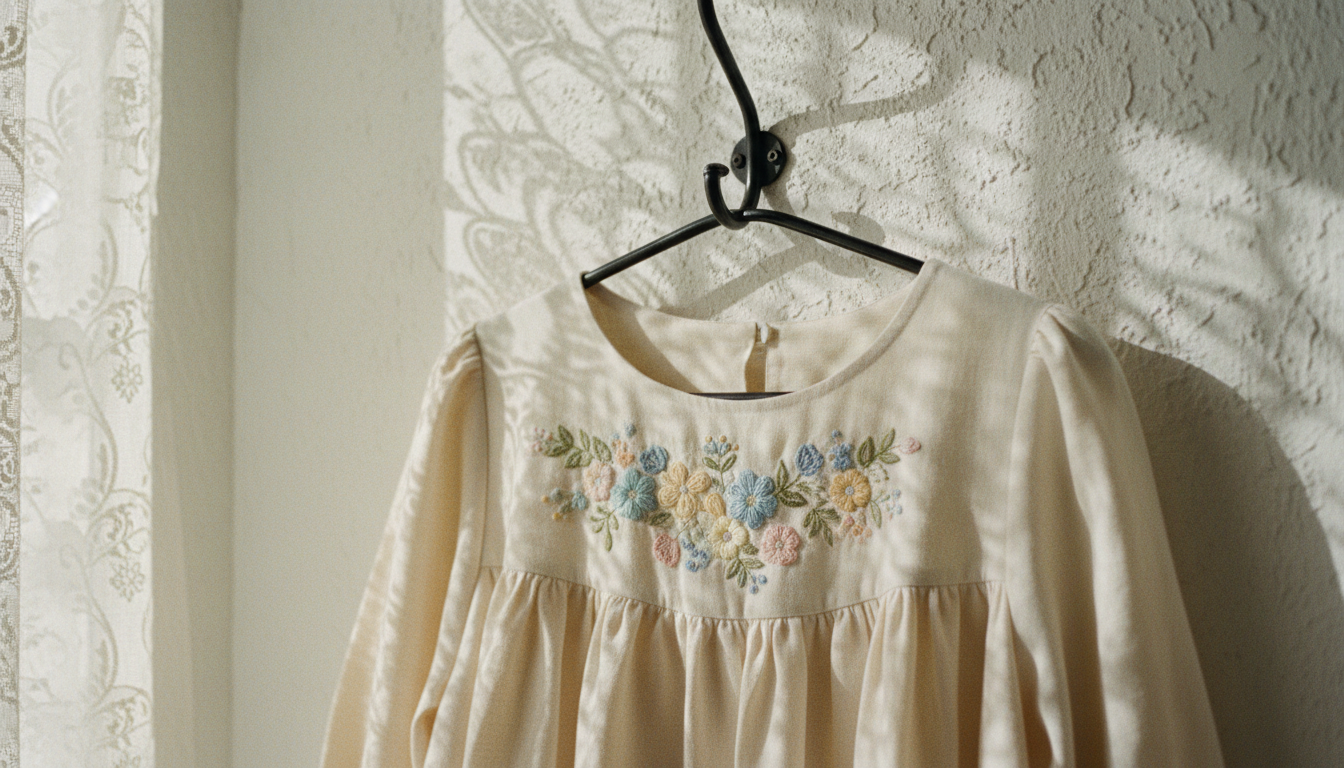
While technical excellence provides the physical structure, the silhouette determines a garment's aesthetic longevity. Fast fashion silhouettes are often dictated by temporary market shifts, such as exaggerated proportions or graphic-heavy designs, which inevitably feel dated within a single decade. When deciding how to choose heirloom children's clothing, prioritize silhouettes that have remained staples of French fashion for generations.
The Bishop dress, with its characteristic circular neckline and hand-smocked bodice, offers a silhouette that is as elegant today as it was a century ago. Similarly, Peter Pan collars and tailored bloomer sets provide a structured, polished look that avoids the whims of current trends. These designs are intentional; they focus on the child's form rather than the garment's ability to stand out in a social media feed.
Adopting a capsule mindset is essential for building a legacy wardrobe. A helpful framework for this is the 3-3-3 rule, which encourages parents to invest in a small number of versatile, high-quality items rather than a closet saturated with polyester blends. By selecting three foundational dresses or rompers, three layering pieces, and three accessories, you build a cohesive wardrobe where every item possesses artisan craftsmanship.
Choosing these timeless shapes ensures that when a grandchild opens a cedar chest thirty years from now, the clothing will not look like a costume of a bygone era. Instead, the curated heirloom collections you build today will retain their sophistication. By focusing on silhouettes that transcend the immediate moment, you invest in a garment that remains a beautiful, wearable memory for the next generation.
The Coastal Florida Heirloom: Adapting Parisian Elegance for the Beach

Integrating Parisian elegance into a coastal lifestyle requires a nuanced understanding of how to choose heirloom children's clothing for high-humidity environments. In Clearwater and across the Gulf Coast, a heavy or restrictive garment remains tucked away in a closet rather than being worn and loved. To bridge the gap between a formal Parisian-style portrait and a sunset walk along the white sands, prioritize textiles that offer maximum breathability without sacrificing structure.
Lighter weights of linen are essential for this climate. While standard linen is durable, the finest Parisian ateliers source weaves that feel weightless against the skin yet retain the crispness necessary for hand-smocking. Seersucker is another vital choice for a Florida legacy wardrobe. Its puckered texture naturally holds the fabric away from the body, facilitating airflow during outdoor celebrations.
Coastal Fabric | Best Use | Florida Benefit |
|---|---|---|
Fine-Weave Linen | Portraits & Garden Parties | Wicks moisture while maintaining a crisp silhouette. |
Lightweight Seersucker | Beach Walks & Play | Naturally aerated texture prevents clinging in humidity. |
Cotton Batiste | Underlayers & Sunsuits | Extremely soft and thin for maximum heat dissipation. |
The aesthetic should reflect the local landscape to ensure the piece feels timeless in a coastal context. Curated heirloom collections designed for Florida families often utilize a palette of soft blues, creams, and pale corals. These hues mimic the Gulf of Mexico and the sky at dusk, allowing the artisan craftsmanship to shine without competing with the vibrant natural surroundings. Selecting these specific weights and tones ensures the garment is both a functional summer staple and a preserved piece of family history.
Documenting the History: How to Ensure the Piece is Actually Kept
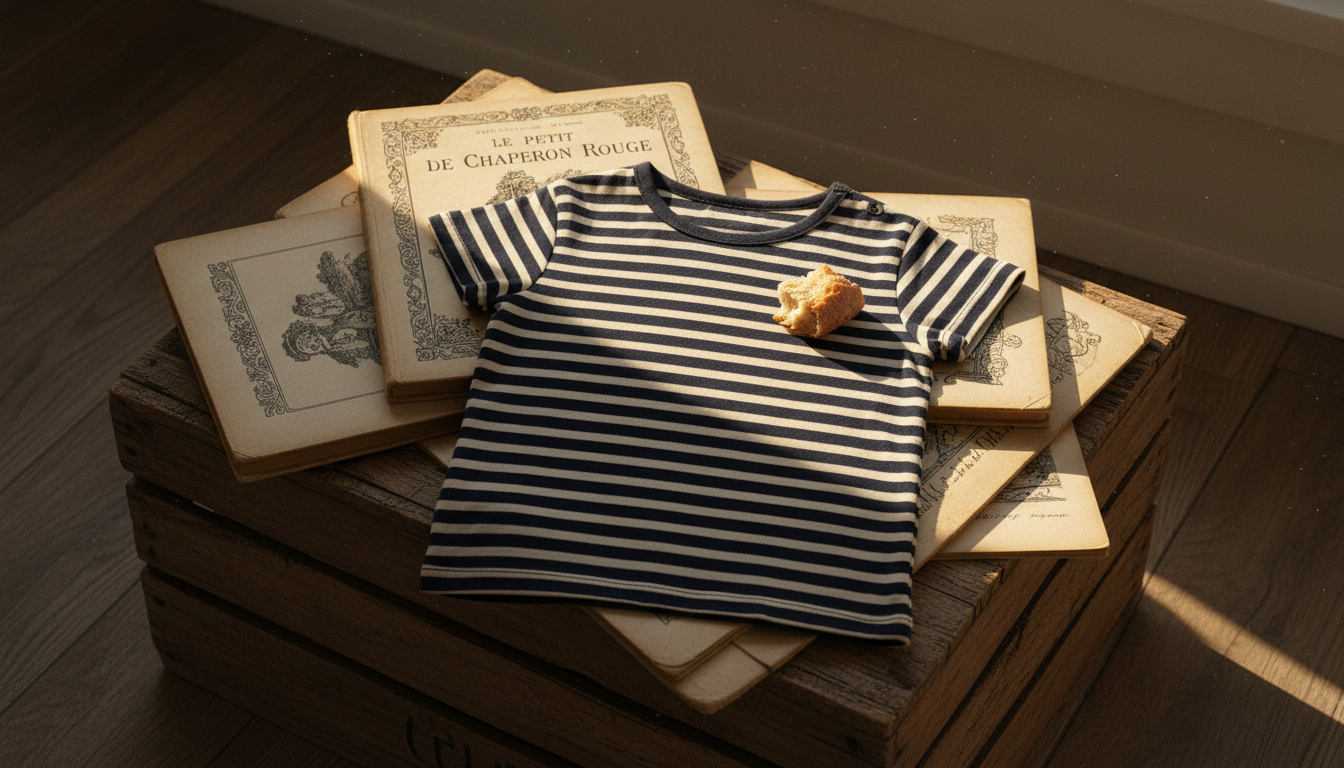
The emotional weight of a garment is solidified through the rituals of documentation. When a piece is passed down, its significance is rarely found in the label alone, but in the specific history it carries. To ensure a dress or romper is truly cherished by the next generation, record the milestone occasions where it was worn. Include a small, handwritten note within the storage box detailing the event, such as a coming-home outfit or a sunset holiday portrait in Clearwater. A piece becomes an heirloom when the story of the child is woven into the artisan craftsmanship.
Physical preservation is equally critical, especially in the Gulf Coast’s humid environment. Understanding how to choose heirloom children's clothing involves planning for its life after the child outgrows it. Avoid plastic storage bins, which trap moisture and lead to mildew. Instead, wrap the cleaned garment in acid-free tissue paper and store it in a breathable cotton bag. Place it in a cool, dry area of the home, away from exterior walls, to prevent the yellowing and fiber degradation common in Florida’s climate.
Ethical Investment: Supporting Artisans and Giving Back
Selecting a garment is a choice between supporting industrial scale manufacturing or preserved human skill. When considering how to choose heirloom children's clothing, look for pieces that sustain the livelihoods of local Parisian makers. These artisans utilize techniques passed down through generations, ensuring that artisan craftsmanship does not disappear in an era of mass production. By investing in curated heirloom collections, you provide a direct alternative to the ecological and social costs of fast fashion.
The impact of a legacy wardrobe extends beyond the family unit. At Petit Soleil, each acquisition contributes to a broader mission of supporting street-working children through education and nutritional programs. This transforms a simple purchase into a global investment. An heirloom, therefore, becomes a dual gift; it serves as a cherished vessel for your family's history while providing essential resources for children in need. This ethical alignment ensures that the beauty of the garment is matched by the integrity of its origin, creating a cycle of care that spans from a Parisian atelier to the Gulf Coast and beyond.
Building a legacy wardrobe for your child is an intentional process that balances quality craftsmanship with timeless style. By focusing on durable fabrics and classic silhouettes, you ensure these pieces remain beautiful for generations to come. If you find yourself wanting expert help or a more personalized selection process, our team is here to guide you. You can read more about our philosophy and how we help families curate meaningful collections that stand the test of time.