High quality heirloom children's clothing grows with your child by incorporating adjustable design elements like extendable hems, flexible waistbands, and shoulder tabs that adapt to rapid growth spurts. These artisan garments utilize durable fabrics and superior construction to ensure a lasting fit across multiple seasons or even generations. By choosing pieces with room for growth, parents can invest in longevity while reducing the need for frequent replacements.
There is a quiet frustration in retiring a beloved garment after only a few wears simply because your child has reached a new growth milestone. This cycle of disposable fashion feels both wasteful and sentimental, especially when the pieces lack the craftsmanship to endure daily play. Choosing heirloom quality offers a sophisticated solution to this constant turnover. These artisan designs are intentionally constructed to evolve, transforming from floor length dresses into charming tunics as your child matures. In this guide, we will explore the French secrets to longevity and the mechanics of the growing silhouette. You will learn how to select versatile sizes for artisan pieces and discover fabrics specifically suited for the Gulf Coast climate. We will also detail the 3 3 3 rule for a sustainable wardrobe and provide expert care tips to ensure your legacy pieces remain pristine through every transition.
The French Secret to Longevity: Why Heirloom Design Outlasts Fast Fashion
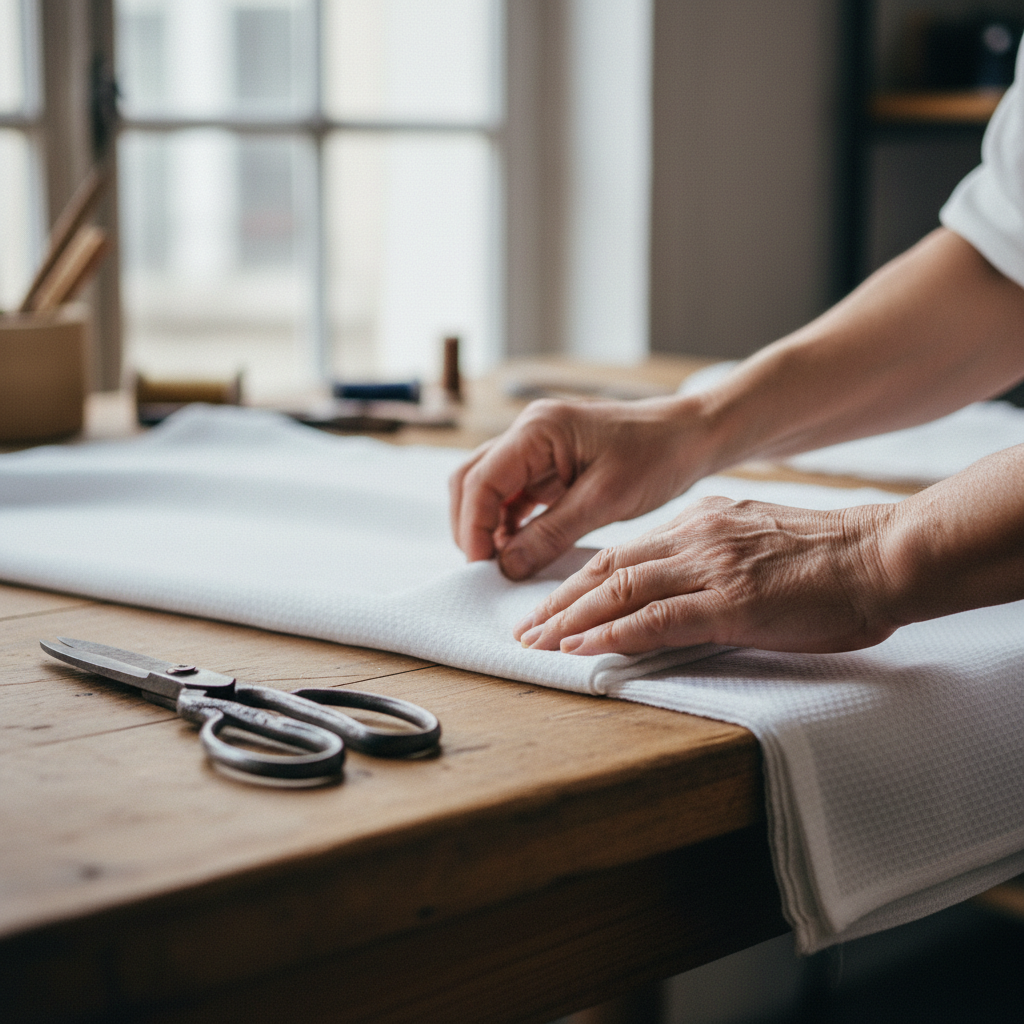
Mass-market retailers often market "expandable" garments using synthetic stretch blends that pill and lose their shape after just a few washes. In contrast, the artisan Parisian makers we partner with utilize architectural design to ensure longevity. Instead of relying on polyester elastic that degrades in the Florida heat, heirloom construction relies on traditional techniques like generous side seam allowances and deep hems. These features allow a garment to be let out or lengthened as a child reaches a new growth spurt, preserving the garment’s structural integrity for years rather than months.
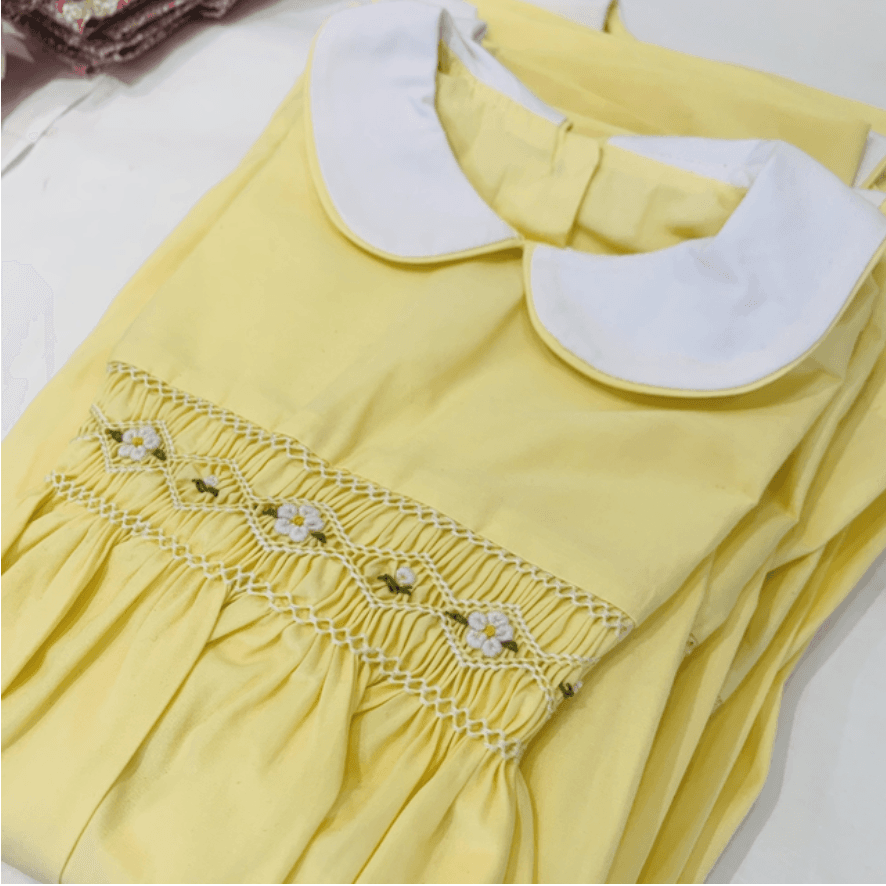
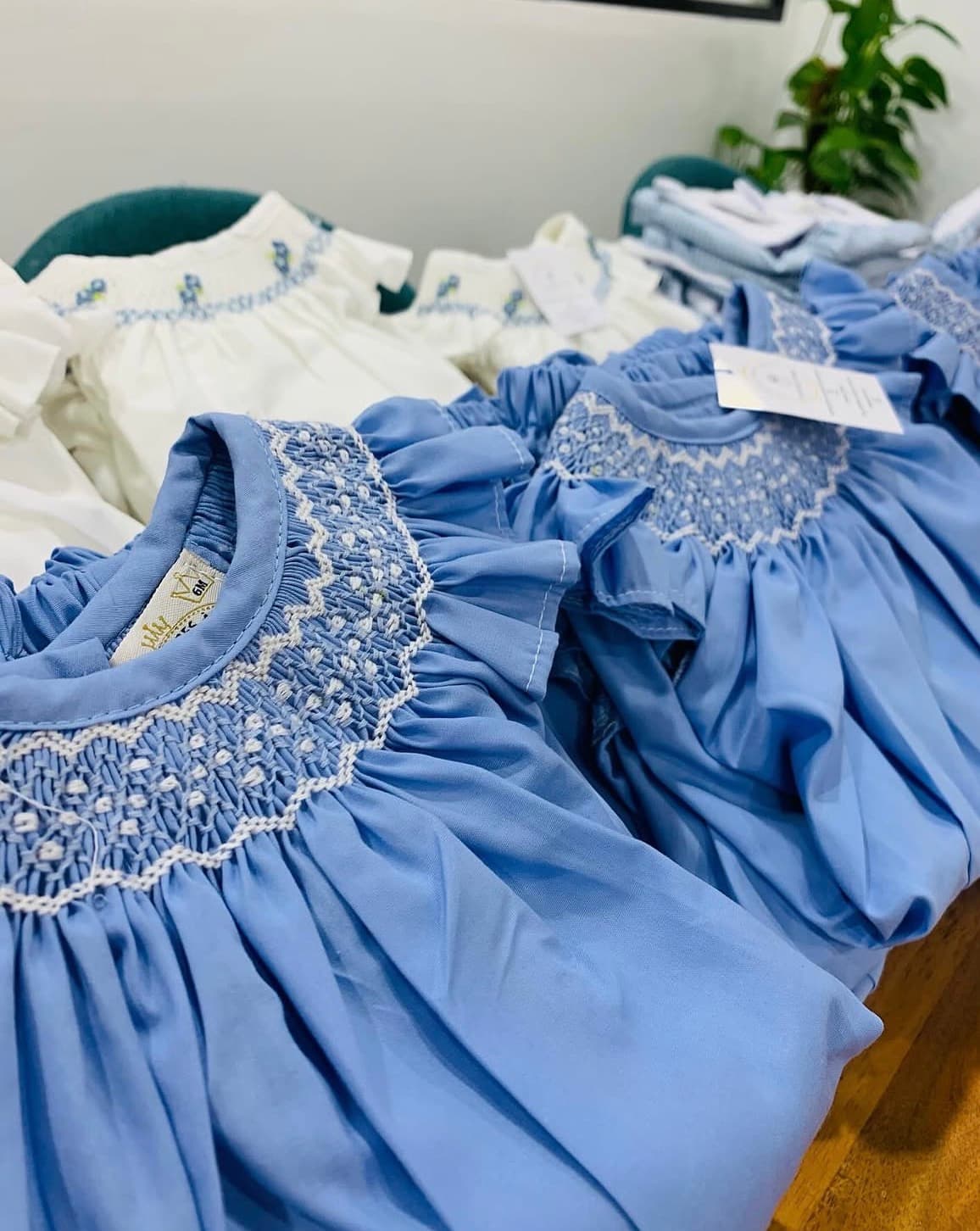
The concept that heirloom children's clothing grows with your child is best exemplified by hand-smocking. Unlike the tight, machine-gathered elastic found in fast fashion, hand-smocked panels create a natural, mechanical stretch within the weave of the cotton or linen itself. This allows a bodice to expand comfortably across a growing chest without the restrictive pressure of synthetic bands. When paired with timeless A-line silhouettes, a piece that begins as a mid-calf dress gracefully transitions into an at-the-knee silhouette and eventually a tunic, accommodating vertical growth without sacrificing the intended aesthetic.
This intentionality is rooted in the French philosophy of consommer moins, consommer mieux, or consuming less but better. By focusing on curated limited collections, we prioritize pieces that serve a child through multiple seasons and stages of physical development. While mass-produced clothing is often designed for a single season of wear, French craftsmanship ensures that every stitch is reinforced to withstand both the playground and the washing machine. This approach provides a more sophisticated fit for your family while also supporting children in need through a commitment to sustainable, ethical production that resists the disposable nature of modern trends.
From Dress to Tunic: Mastering the Art of the Growing Silhouette
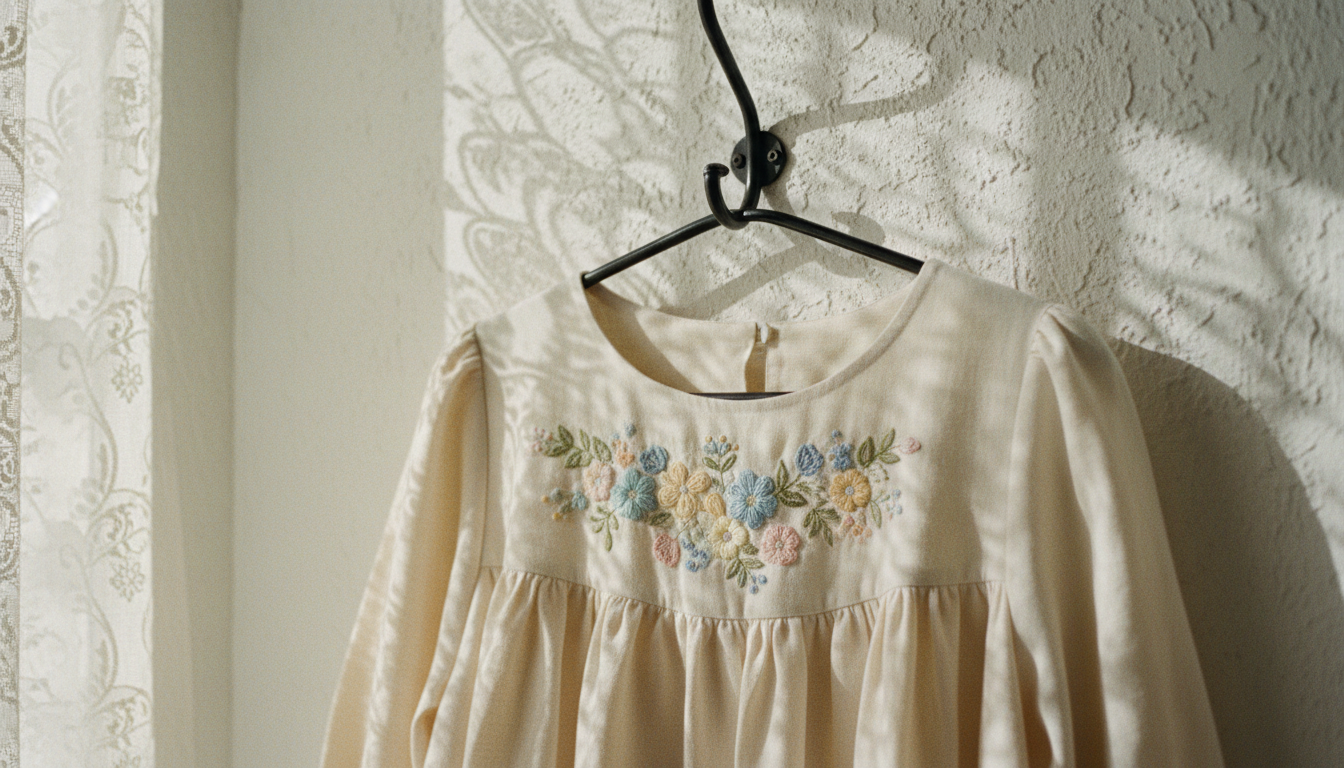
The evolution of a well-constructed garment begins with its initial silhouette. A classic hand-smocked piece, such as the Palmier dress, is designed with a generous length that initially hits at the mid-calf. This length provides the traditional European aesthetic favored for portraits and formal gatherings. As a child gains height, the dress naturally shifts to a knee-length fit; a stage where the garment remains a polished, stand-alone piece for social occasions along the Gulf Coast.
The final transition occurs when the hemline rises above the knee. At this stage, the piece functions beautifully as a tunic. Pairing the dress with coordinating bloomers or soft cotton leggings extends its life for an additional season or more, allowing the child to maintain a sophisticated look even as they transition from infancy to more active childhood. Because heirloom children's clothing grows with your child through these distinct phases, a single investment offers a lifespan that far exceeds the standard six-month window of fast fashion.
The success of this transition relies heavily on the mechanical stretch of hand-smocking, a technique perfected by the artisan Parisian makers we collaborate with. Unlike the elasticized waistbands found in mass-produced garments, which often constrict the torso and trap moisture, hand-smocking allows the fabric itself to expand and contract. This creates a breathable, airy fit that is essential for the Clearwater heat. The silk or cotton threads used in artisan smocking do not lose their tension over time; instead, they move with the child, ensuring that the bodice remains comfortable even as the frame widens.
Buying for Growth: How to Choose the Right Size for Artisan Pieces
While the structural flexibility of smocking is essential, the strategy for selecting the initial size ensures these transitions happen seamlessly. Many parents ask if it is better to buy bigger baby clothes; in the context of curated limited collections, the answer is a resounding yes. Unlike synthetic fast fashion that appears bulky or ill-fitting when oversized, French-sourced linen and fine cotton voile possess a fluid drape. These natural fibers settle against the body rather than bunching, allowing a slightly larger garment to look intentional rather than borrowed.
When choosing a size to maximize longevity, focus on the shoulder alignment rather than the hemline. An A-line silhouette or a smocked bodice provides ample room through the torso, but the garment must stay anchored at the top to maintain a polished look.
Measurement Focus | What to Look For |
|---|---|
Shoulder Seam | The seam should sit no more than half an inch past the natural shoulder bone. |
Bodice Width | Smocked panels should lay flat without stretching when the child is at rest. |
Hem Length | A piece intended for growth should ideally hit at the mid-calf or top of the ankle. |
Selecting a size slightly above the child's current age bracket allows the garment to remain in rotation for three full seasons in Clearwater. The breathability of these artisan fabrics makes them suitable from the first humid days of Spring through the mild Gulf Coast Fall. Because this heirloom children's clothing grows with your child, a thoughtful sizing choice ensures the piece sees maximum wear before being passed on to the next generation.
Built for the Gulf Coast: Fabrics That Withstand Growth and the Elements
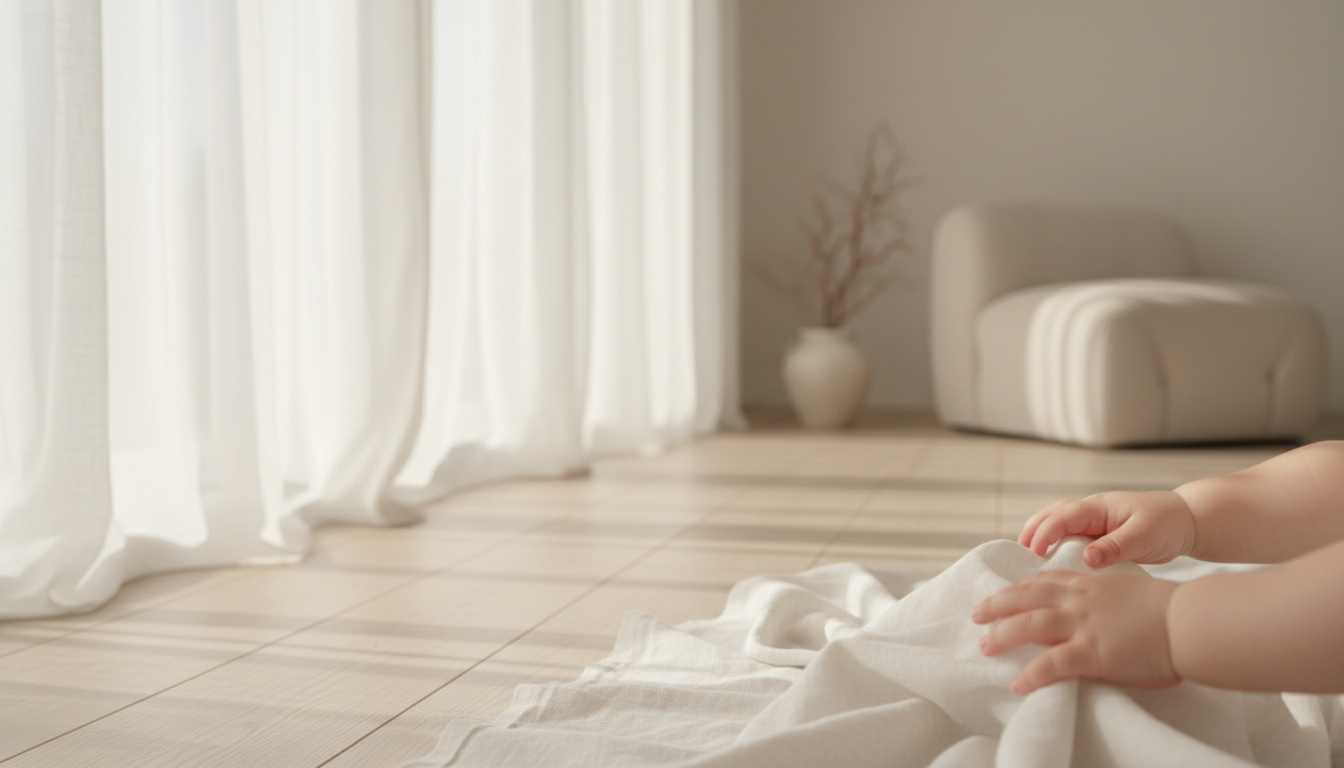
Beyond the geometry of the cut, the material composition dictates how long a piece remains in a child’s wardrobe. Many contemporary brands utilize polyester blends or synthetic elastics to achieve temporary stretch. While these may offer initial flexibility, they often fail in the subtropical climate of the Gulf Coast. Synthetics trap heat against the skin and are prone to pilling after only a few cycles in the wash. In contrast, the French sourced linens and high grade cottons used by our artisan Parisian makers are selected for their breathability and structural integrity.
These natural fibers possess a unique characteristic: they improve with age. While mass market fabrics thin out and lose their luster, high quality linen becomes softer and more supple with every laundering. This means that as heirloom children's clothing grows with your child, it actually becomes more comfortable over time. The fabric adapts to the child’s movements without losing the crisp, sophisticated silhouette required for a sunset dinner in Clearwater.
Our curated limited collections are specifically vetted to withstand the intense sun exposure at Pier 60 and the persistent humidity of Clearwater Beach. Because these fibers are woven tightly from long staple threads, they resist the thinning and snagging common in cheaper alternatives. Investing in these superior materials ensures the garments maintain their integrity despite the salt air, remaining in pristine condition for supporting children in need through future donations or passing down to younger siblings as a cherished family legacy.
The 3 3 3 Rule and the Sustainable Heirloom Wardrobe
The 3-3-3 rule is a minimalist framework designed to simplify the daily routine by maintaining a capsule of three tops, three bottoms, and three pairs of shoes per season. While fast fashion requires a high volume of items to compensate for rapid wear and tear, our curated limited collections are built on the premise that a few exceptional pieces are superior to a closet full of disposables. This strategy is only effective when the garments possess the structural integrity to withstand daily Florida life without losing their form or finish.
The environmental impact of this approach is significant. Investing in one hand-crafted linen piece that lasts three times longer than a synthetic alternative reduces textile waste and lessens the demand for low-quality mass production. Because heirloom children's clothing grows with your child, these nine items do not need to be replaced the moment a child hits a growth milestone. Instead, the inherent flexibility of the artisan design allows the capsule to remain functional across multiple seasons, even as a child’s proportions change.
This buy less, buy better philosophy transitions the wardrobe from a collection of temporary goods to a set of enduring assets. Once a child eventually outgrows their capsule, the superior craftsmanship of artisan Parisian makers ensures the clothing remains in excellent condition. These garments can then be preserved for siblings or donated, directly supporting children in need through a cycle of conscious consumption that values authentic artistry over sheer quantity.
Transitioning Through Seasons: Layering for Florida and Beyond

Adapting a minimalist capsule to the shifting temperatures of the Gulf Coast requires a strategic approach to layering. While the afternoon sun at Clearwater Beach remains warm, the coastal breeze often necessitates a light outer layer once the sun dips below the horizon. The generous cut of our curated limited collections facilitates this; a fine-knit Pima cotton cardigan draped over a smocked dress provides warmth without obscuring the intricate hand-stitched details.
As a child moves from the rounded proportions of a cherub to the leaner silhouette of a vertical being, the styling of these pieces naturally matures. For younger children, a pinafore worn alone captures a classic, airy aesthetic. As the child grows, pairing that same pinafore with a crisp linen blouse sourced from artisan Parisian makers creates a more structured, tailored appearance suitable for older ages. This versatility is why heirloom children's clothing grows with your child not just in physical size, but in stylistic relevance.
Season or Occasion | Layering Strategy | Aesthetic Result |
|---|---|---|
Humid Coastal Days | Single layer linen or cotton voile | Breezy, traditional European charm |
Breezy Florida Evenings | Pointelle cardigan over smocked bodice | Practical warmth with visible artistry |
Cooler Winter Months | High-neck blouse under a sleeveless dress | Sophisticated, multi-dimensional look |
By integrating layers, the lifespan of a single garment extends across both the thermometer and the calendar. This approach ensures you are consistently supporting children in need by reducing the impulse to purchase seasonal, single-use items that the child will quickly outpace.
Preserving the Legacy: Care Tips for Multi Year Wear
Maintaining the pristine condition of these pieces requires a shift from standard laundry habits to more intentional care. To ensure heirloom children's clothing grows with your child and remains suitable for future siblings, prioritize a gentle cycle with a mild, phosphate-free detergent. Hand-stitched details from artisan Parisian makers are best preserved by air drying, which prevents machine heat from weakening the fine cotton or linen fibers. Air drying also helps maintain the structural memory of hand-smocked panels.
Clearwater living presents unique environmental factors, particularly salt air and fine sand. If a garment is exposed to the coastal breeze at the beach, rinse it in cool water as soon as possible to prevent salt crystals from dehydrating the natural fibers. For stubborn stains, a brief soak in lukewarm water with a splash of white vinegar can lift residues without damaging the delicate dyes found in our curated limited collections. By treating these garments as enduring assets, you ensure they transition seamlessly into heirloom sibling sets once they are finally outgrown. This cycle of preservation also facilitates supporting children in need, as well-maintained artisan pieces hold their beauty and function for years of future wear.
Investing in heirloom clothing is about more than just style; it is about choosing pieces designed with craftsmanship and adjustable features that endure through the years. These garments celebrate childhood while reducing waste and honoring tradition. Selecting the right pieces to start your family's collection can feel overwhelming. If you want expert help finding timeless designs that stand the test of time, we are here to guide you. You can explore our curated Collections to find artisan quality garments that grow beautifully alongside your little ones.