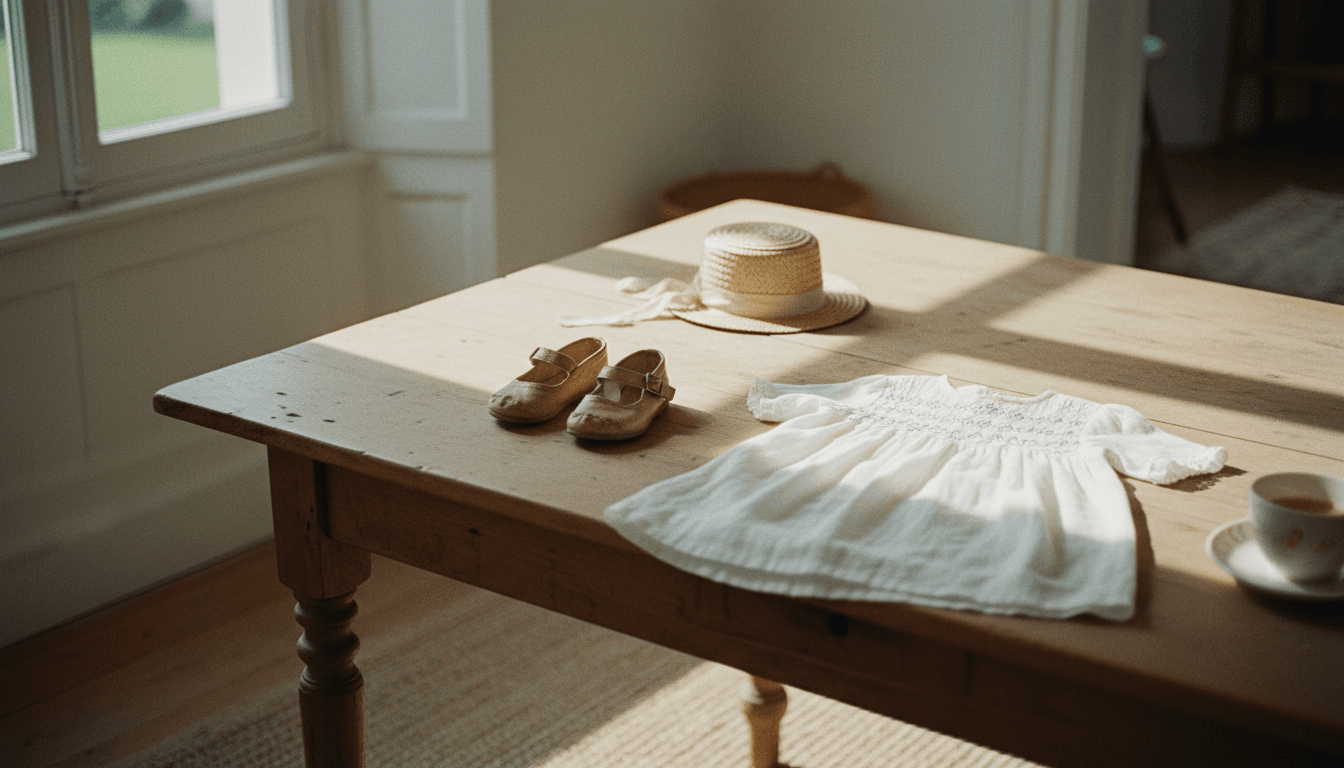
Heirloom children's clothing saves money because high quality materials and timeless designs allow garments to last longer and be worn more frequently across multiple children. Although the upfront investment is higher, the heirloom children's clothing cost per wear often ends up being lower than disposable fast fashion alternatives.
It often feels like a bargain until the seams unravel or the delicate colors fade after a single afternoon in the Florida sun. Many parents find themselves caught in a cycle of replacing thin, mass produced garments that simply cannot keep up with an active childhood. This constant turnover creates an illusion of savings; yet the true cost of a child’s wardrobe is measured by longevity rather than the initial price tag. By understanding the cost per wear, you can shift from disposable consumption to intentional investment. In this post, we will break down the mathematics of quality and explore how Parisian craftsmanship and adaptable silhouettes allow heirloom pieces to grow with your child. You will discover how a curated capsule of fewer, better items offers superior value, ensuring your little one remains elegantly dressed while you spend less over time.
The Illusion of Cheap: Understanding the True Price of Fast Fashion
It is common to feel a moment of hesitation when viewing the price tag of a boutique piece for the first time. In an era of overnight shipping and massive retail chains, our perception of value has been skewed by the accessibility of ten-dollar t-shirts. However, current research suggests that parents spend upwards of $1,280 per year on clothing for each child. This creates a cycle of constant, recurring expenses that often leaves closets full of items that lose their shape or size after a single season.
When we examine the illusion of cheap, we find that a low initial price tag often hides a significant long-term burden. Mass-market garments frequently suffer from rapid degradation, shrinking, and poor construction. If a fast-fashion dress costs twenty dollars but becomes unwearable after three washes, it is far more expensive than a garment that survives years of play. This brings us to the core of smart parenting finances: understanding how heirloom children's clothing cost per wear actually works in your favor.
A frequent question arises: why is kids clothing so expensive? The answer lies in the hands that create the garment. Mass production relies on high-speed factory labor and synthetic blends designed for obsolescence. In contrast, Petit Soleil partners with fair-wage Parisian artisans who utilize artisan craftsmanship to create pieces that endure. By investing in curated heirloom collections, families move away from the disposable culture of fast fashion and toward a sustainable model where quality, rather than a fleeting bargain, dictates the purchase.
The Cost Per Wear Formula: A Parent's Guide to Smarter Spending
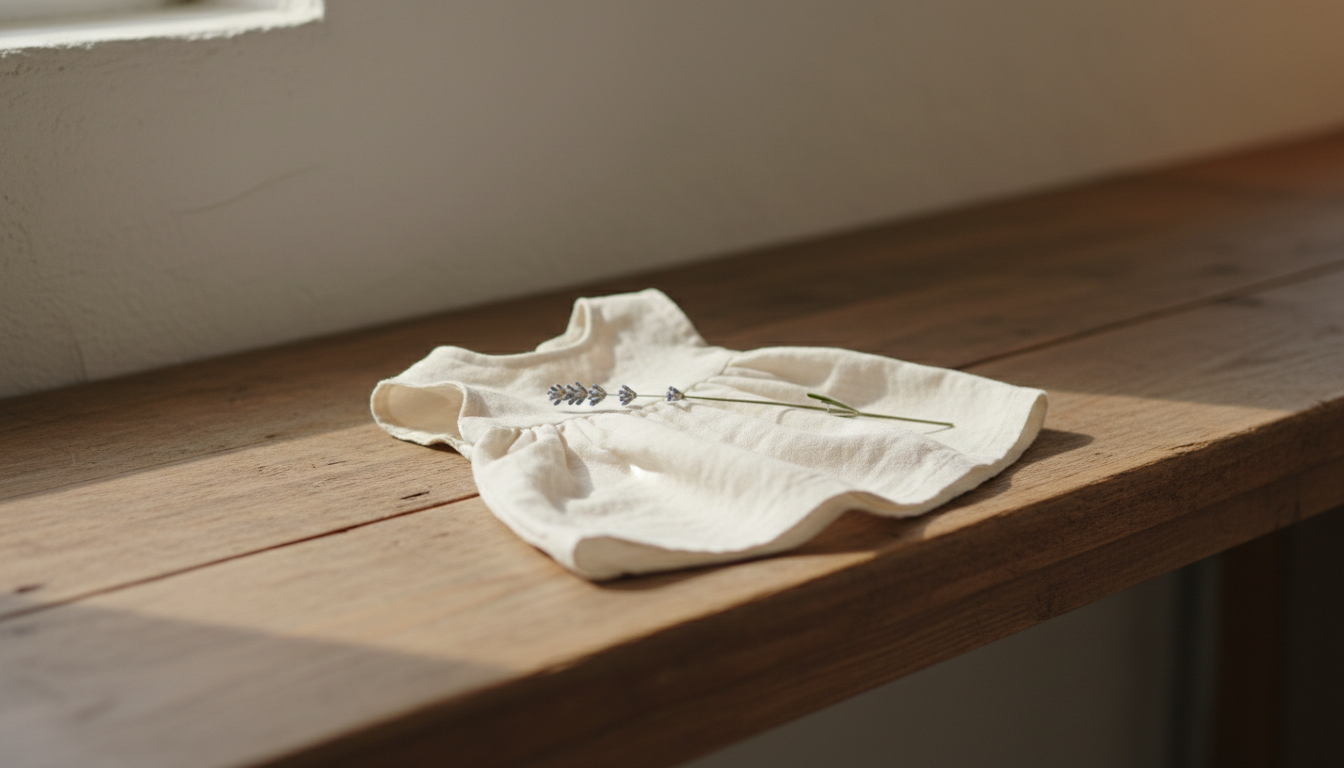
To make informed decisions about your child’s wardrobe, you must look past the checkout total and calculate the actual value of each piece. This is done through a simple, practical formula known as Cost Per Wear (CPW). By dividing the total cost of a garment by the number of times it is successfully worn, you reveal the true economic impact of your purchase.
Total Cost of Garment ÷ Number of Times Worn = Cost Per Wear
Consider a direct comparison often seen by families here in Clearwater. A typical mall-bought cotton dress might cost $20. Due to lower-grade fibers and basic construction, it often shrinks, pils, or loses its shape after just three washes. This results in a CPW of $6.66. In contrast, a $120 hand-smocked French linen dress from our curated heirloom collections is designed for longevity. Because of the superior artisan craftsmanship and durable natural fibers, that same dress can be worn for 40 different occasions, ranging from beachside family portraits to Sunday brunch and afternoon play.
Garment Type | Initial Investment | Estimated Wears | Cost Per Wear |
|---|---|---|---|
Fast-Fashion Dress | $20.00 | 3 | $6.66 |
Petit Soleil Heirloom | $120.00 | 40 | $3.00 |
The heirloom piece, despite the higher upfront price, is more than twice as economical over its lifespan. This mathematical reality is the foundation of why heirloom children's clothing cost per wear is a vital metric for the modern parent.
For families looking to build a sustainable wardrobe in the Gulf Coast heat, the ideal cost per wear goal should be to find pieces that reach $3.00 or less over their lifecycle. When a garment can withstand the salt air and frequent laundering of a Florida lifestyle while maintaining its integrity, the initial investment pays for itself. This shift in mindset transforms shopping from a recurring chore into a strategic investment in your child’s style and your family’s budget.
Why Parisian Craftsmanship Outlasts the Playground
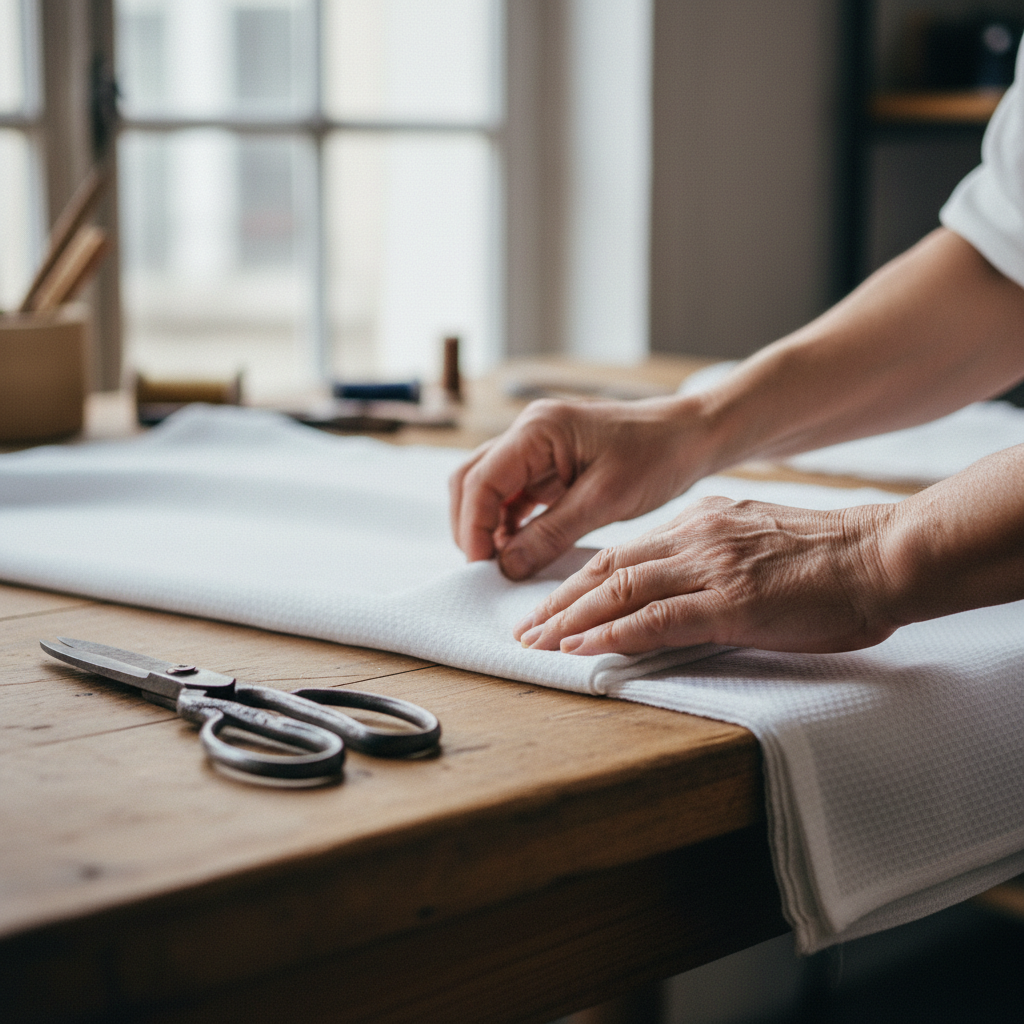
Achieving a lower heirloom children's clothing cost per wear is only possible when a garment possesses the structural integrity to survive the playground and the washing machine. This durability is not accidental; it is the result of specific Parisian construction techniques that prioritize longevity over production speed.
Artisans in France utilize French seams, a method where raw fabric edges are completely enclosed within a second row of stitching. Unlike the simple overlock stitch found in mass-produced items, French seams prevent fraying and provide a finished interior that is gentle on a child's skin. Furthermore, these pieces feature generous deep hems. This specific design choice allows a dress to be let down as a child grows, extending its life across multiple seasons and growth spurts.
The choice of materials further distinguishes these curated heirloom collections from synthetic alternatives. We source high-quality natural fibers such as linen and cotton voile. While polyester blends begin to pill and lose their structural elasticity after a few cycles in the laundry, natural fibers behave differently. Linen, in particular, becomes softer and more lustrous with every wash. It possesses a high tensile strength that resists the friction of active play. By relying on artisan craftsmanship rooted in European heritage, these garments remain as beautiful on their fiftieth wear as they were on their first. This technical superiority differentiates true Parisian-sourced pieces from generic handmade items, ensuring the piece survives long enough to be passed down rather than discarded.
Adaptable Fit: How Heirloom Silhouettes Grow With Your Child
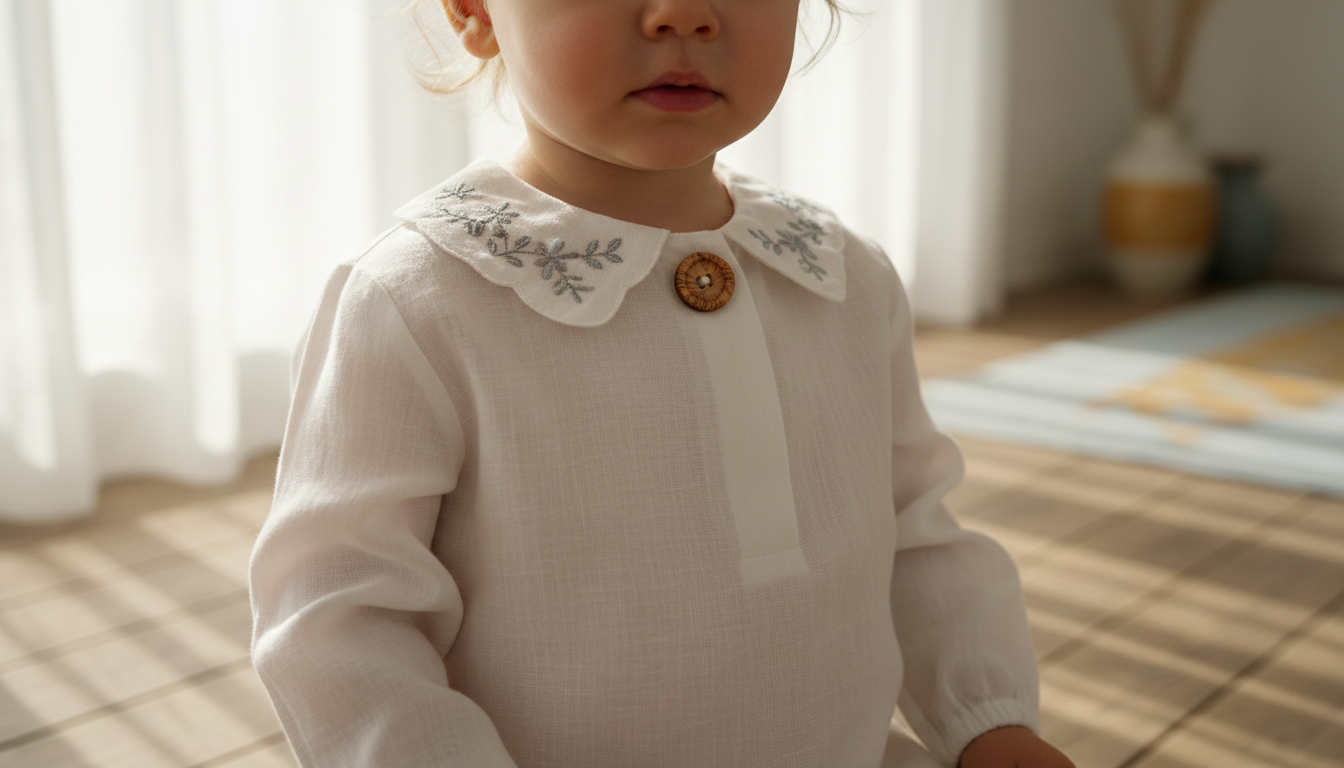
The most persistent hesitation parents face when investing in quality is the rapid pace of a child's growth. In the world of mass production, a six month label is often obsolete by the eighth month, forcing a constant cycle of replacement. However, the curated heirloom collections sourced from France utilize specific silhouettes designed to evolve alongside a child's changing proportions. By choosing silhouettes that adapt, the heirloom children's clothing cost per wear drops significantly because the garment remains in the active rotation for two or three times longer than a standard retail item.
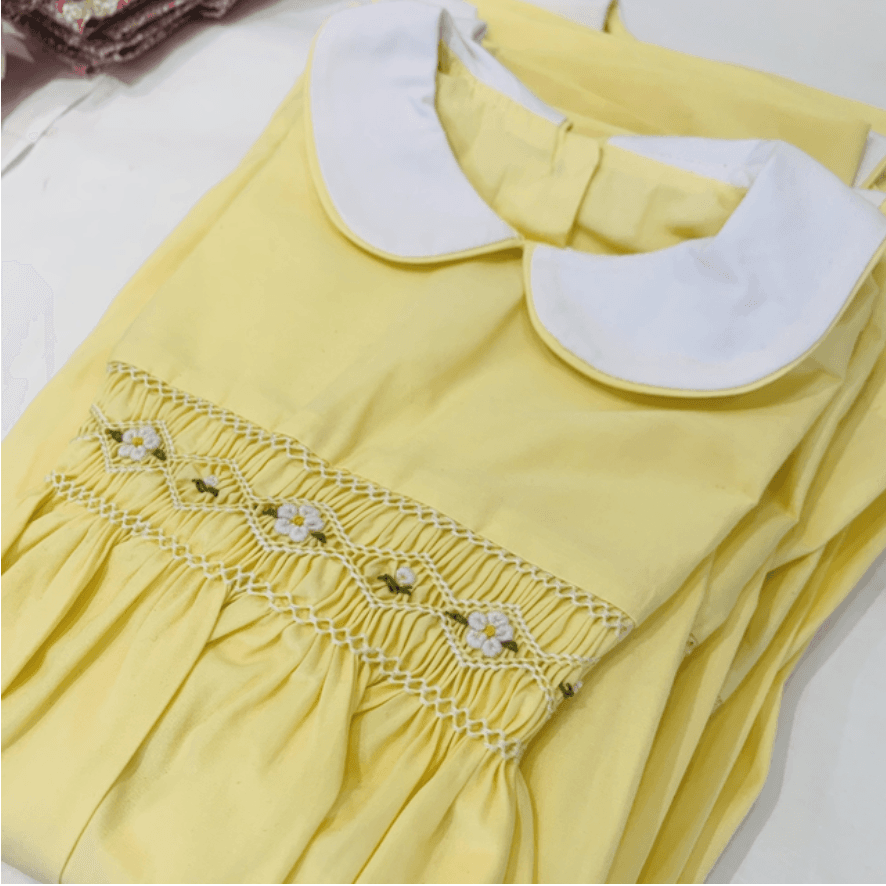
Consider the classic Parisian Bishop dress or hand-smocked bubbles. The intricate smocking across the bodice is not merely decorative; it provides a functional, natural stretch that accommodates a growing chest and torso without losing its shape or becoming restrictive. Similarly, a well-cut heirloom tunic is designed with a generous enough drape to be worn as a dress for a toddler, then transitioned into a stylish shirt paired with bloomers or trousers a year later.
When parents ask, "how many baby clothes do I need for each size," the answer changes when you prioritize artisan craftsmanship. Instead of needing a dozen disposable onesies for every three month window, a single adaptable heirloom piece can often span two or three traditional size brackets. This versatility ensures that the garment stays out of the storage bin and on your child, providing a sophisticated fit that looks intentional at every stage of their development rather than a temporary solution that is quickly outgrown.
The Resale and Legacy Value of Heirloom Quality
Beyond the immediate utility of an adaptable fit, the financial journey of a high-quality garment continues long after a child has moved into the next size bracket. A significant, often overlooked advantage of premium garments is their resale potential. While fast-fashion items possess virtually zero value once worn, pieces defined by artisan craftsmanship typically retain 40 to 60 percent of their original retail price on specialized secondary markets. This liquidity creates a rebate of sorts, effectively lowering the heirloom children's clothing cost per wear by returning a portion of the initial investment to the family budget.
The economic logic is further strengthened by the legacy of the hand-me-down. When a piece is constructed with the structural integrity found in our curated heirloom collections, it is designed to survive more than one childhood. If a $120 hand-smocked dress is passed down through three siblings or cousins, the investment is effectively split by three, bringing the cost per child to $40 for a museum-quality piece. This longevity supports the concept of the everyday heirloom. These are garments durable enough to withstand the humidity and salt air of a Clearwater beach day, yet refined enough to remain the centerpiece of a legacy family portrait years later.
This dual value, both financial and sentimental, transforms the act of dressing a child. By choosing items that do not degrade, families invest in a physical history. A linen romper becomes more than just fabric; it becomes a shared experience between siblings, maintaining its luster and form through every milestone and laundering cycle. Unlike disposable alternatives, these pieces are built to be part of the family story for years to come.
Curating a Coastal Florida Capsule: Fewer, Better Pieces

Living on the Gulf Coast requires a wardrobe that respects the relentless humidity and heat of Clearwater. A closet overflowing with polyester blends often leads to discomfort, skin irritation, and garments that trap heat against a child's skin. By curating a coastal capsule from our curated heirloom collections, you prioritize breathability and physical comfort. High-quality linen and cotton voile are not just aesthetic choices; they are functional necessities for Florida life, offering natural airflow that synthetic fabrics simply cannot match.
We recommend moving away from the standard retail advice of owning 14 or more disposable outfits per size. Instead, aim for a purposeful selection of 7 to 10 high-quality pieces. This intentional approach allows for a streamlined version of the 3-3-3 rule adapted for the coastal lifestyle: three daily staples for sun-drenched play, three sophisticated pieces for family gatherings at the club, and three versatile layers for transition between the beach and air-conditioned interiors.
When you limit the wardrobe to a few superior items, the heirloom children's clothing cost per wear becomes even more advantageous. You avoid the hidden costs and mental clutter of managing a bloated, low-quality inventory. This strategy relies on the artisan craftsmanship of Parisian-made garments that can withstand daily wear and frequent laundering without losing their refined silhouette or soft texture. A smaller, well-chosen collection ensures your child is always dressed with effortless charm while simplifying your daily routine and maximizing your investment.
Investing in Artistry: The Petit Soleil Difference
Petit Soleil originated from a three-year stay in France, where our founder established direct relationships with local ateliers. This exclusive access to artisan craftsmanship ensures every garment meets the rigorous standards required to make the heirloom children's clothing cost per wear math favor the parent. By sourcing limited collections from Parisian workshops, we provide the structural integrity needed for pieces to endure years of Gulf Coast life. Selecting these garments moves beyond a simple retail transaction. It represents a deliberate choice to prioritize sustainability, support traditional European artistry, and exercise long-term financial discipline while dressing your child in timeless, coastal elegance.
Investing in high-quality children’s clothing is about more than just aesthetics; it is a smart financial decision that prioritizes longevity and timeless style. By focusing on cost per wear, you can build a meaningful wardrobe that stands the test of time. If you find the selection process overwhelming and would like expert help in curating the perfect collection for your little ones, we invite you to read more about our approach. We are here to guide you toward pieces that truly last.