Artisan children's clothing quality craftsmanship is evidenced by the use of durable natural fibers, reinforced seams, and meticulous hand-finished details that withstand the rigors of childhood play. Parents can identify these authentic pieces by checking for small-batch production markers and superior construction techniques that mass-produced garments typically lack.
As a parent, you have likely felt the frustration of finding a charming dress or pair of linen trousers, only to watch the seams unravel or the fabric stiffen after a single afternoon at the shore. In a marketplace saturated with rapid production, the delicate details that define true artisan craftsmanship often disappear. Choosing small batch clothing is not merely a stylistic preference; it is a practical investment in your child’s comfort and the longevity of their wardrobe. At Petit Soleil, we believe that every hand-finished stitch should tell a story of heritage and care. In this guide, we will explore how to distinguish mass-produced items from genuine heirloom quality. You will learn the technical signs of superior construction, the importance of natural fibers for coastal living, and how the traditions of local French artisans elevate a simple garment into a lasting work of art.
The Real Difference Between Small Batch and Mass Produced Kids' Fashion
Understanding the distinction between mass production and artisanal work begins with looking at the distance between the design and the final product. Fast fashion relies on high-volume factories where garments are passed through hundreds of anonymous hands, prioritizing speed over precision. Conversely, artisan children's clothing quality craftsmanship centers on an intimate connection between the maker and the garment. This is not a marketing buzzword; it is a commitment to a process where the person sewing the seam is the same person who checked the fabric's grain and the thread's tension.
Small batches are essential to this level of care. When production is limited, there is no room to hide behind volume. If a specific silhouette does not drape correctly or a neckline lacks the necessary comfort, an artisan can make real-time adjustments that mass production cannot accommodate. This inherent accountability ensures that every piece in our limited, heirloom-quality collections meets a standard of excellence designed to withstand the active lives of children while maintaining its shape.
Parents frequently ask, "What makes a piece of clothing high quality?" The answer lies in the hands-on nature of the construction. High-quality garments are defined by technical precision: denser stitching (often 8 to 12 stitches per inch), consistent tension that prevents puckering, and cleaner internal finishing. By bringing Parisian fashion to coastal Florida, Petit Soleil works with local artisans who employ these traditional techniques to create durable, beautiful garments. For families who appreciate authentic artistry, these subtle construction details represent the difference between a disposable item and a piece of history.
Natural Fibers: The Foundation of Heirloom Quality for Coastal Living
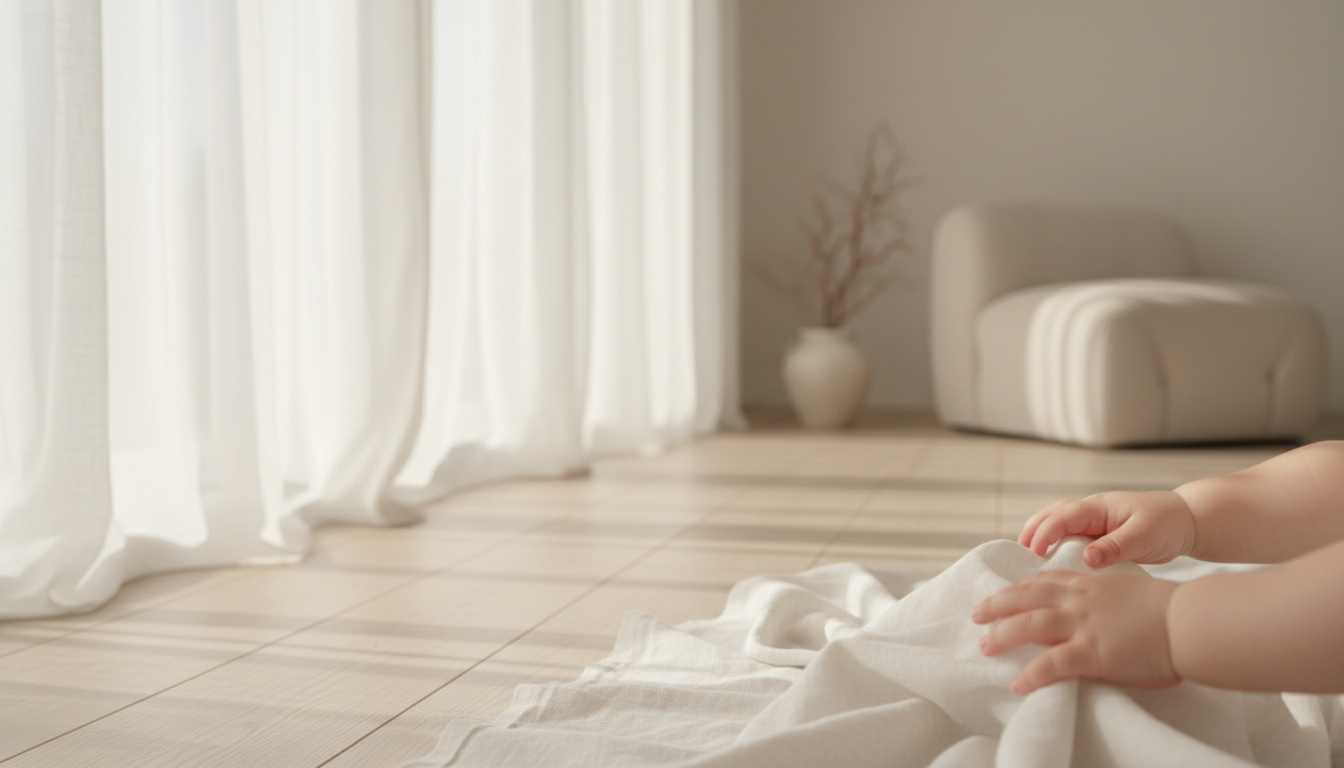
The tactile nature of artisan children's clothing quality craftsmanship begins long before a needle touches a thread; it starts with the careful selection of the raw material. While mass-market brands often rely on polyester or poly-cotton blends to reduce costs, these synthetic fibers trap heat and moisture against a child’s skin. In the persistent humidity of Clearwater, the difference between a synthetic blend and a pure natural fiber is not just aesthetic; it is a matter of physical comfort.
When evaluating a garment, prioritize breathability and moisture management. High-quality linen, for example, is naturally thermoregulating and allows air to circulate, making it the gold standard for Parisian fashion to coastal Florida. Cotton voile, a lightweight, plain-weave fabric with a silky hand, offers a delicate drape that remains durable enough for daily wear. You may also encounter honeycombed weaves, which utilize a unique three-dimensional structure to increase surface area, aiding in both moisture absorption and airflow.
To identify true quality, look for these specific sensory markers:
Weave Density: Hold the fabric up to the light. The weave should be tight and uniform without visible gaps or irregularities. A higher thread count in natural fibers provides a smooth surface that resists pilling.
Weight and Hand-Feel: A high-quality cotton should feel substantial but never heavy. It should possess a natural softness that lacks the scratchy, stiff, or waxy chemical finish often found on cheaper, mass-produced garments.
Longevity: A hallmark of heirloom quality is that the fabric gets softer, not thinner, with every wash. While cheap fibers fray and weaken over time, long-staple natural fibers actually improve in texture as they age.
Artisan makers frequently use GOTS organic cotton as their baseline. This certification ensures the fabric is free from toxic dyes and pesticides, making it safe for sensitive skin while supporting ethical farming. For families who appreciate authentic artistry, choosing these superior natural fibers ensures that their limited, heirloom-quality collections will remain beautiful and functional for years to come.
Beyond the Label: 5 Technical Signs of Superior Construction
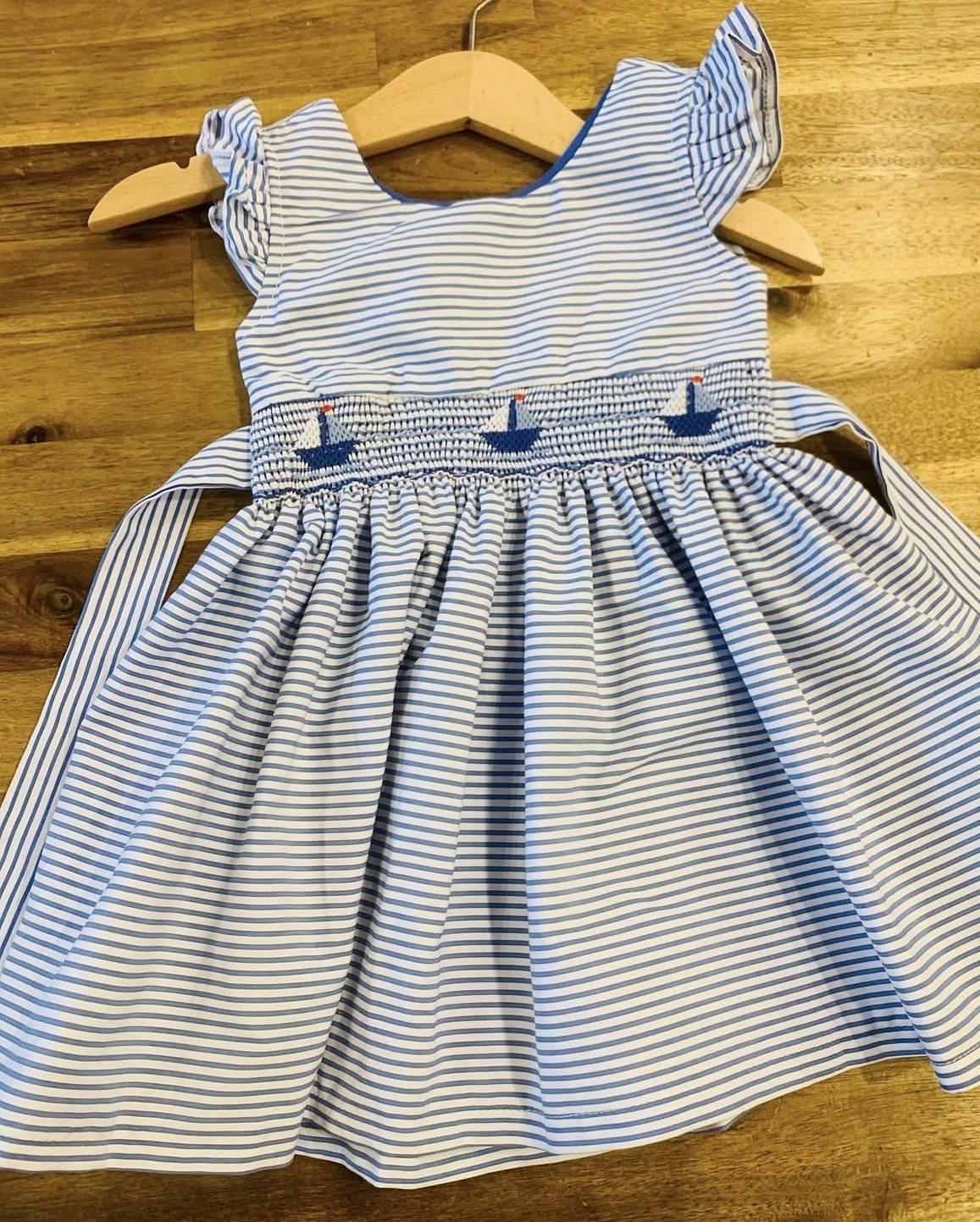
While the fabric provides the sensory foundation, the construction determines if a garment survives a season of play or remains a keepsake for years. When evaluating limited, heirloom-quality collections, look past the aesthetic to these five technical indicators of artisan children's clothing quality craftsmanship.
1. Stitch Density and Uniformity Inspect the seams by gently pulling the fabric apart. Mass-produced items often use long, loose stitches to save time and thread. In contrast, superior garments feature 8 to 12 stitches per inch. This high density ensures the seam remains flat and secure, even when the fabric is under tension. Consistent, small stitches are a primary indicator of a maker who is not rushing through the production process and is prioritizing the structural integrity of the piece.
2. Superior Seam Construction A common question among parents is, "Which seam is good for children's clothing?" For the delicate skin of a toddler, the French seam is the undisputed choice. This technique involves sewing the seam twice to completely encase the raw fabric edges inside a smooth, finished tube of cloth. Because no rough edges touch the skin, it prevents the irritation often caused by the scratchy overlock or serged edges found in fast fashion. For heavier items like linen trousers, look for flat-felled seams, which are double-stitched and folded flat for maximum durability and a clean profile.
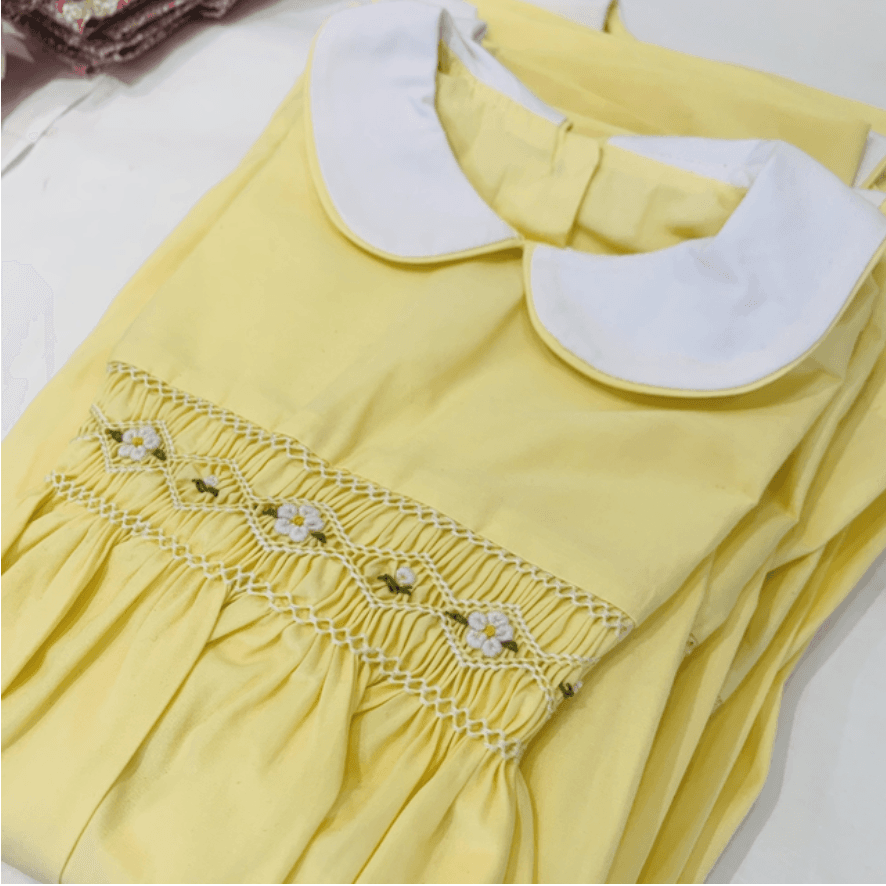
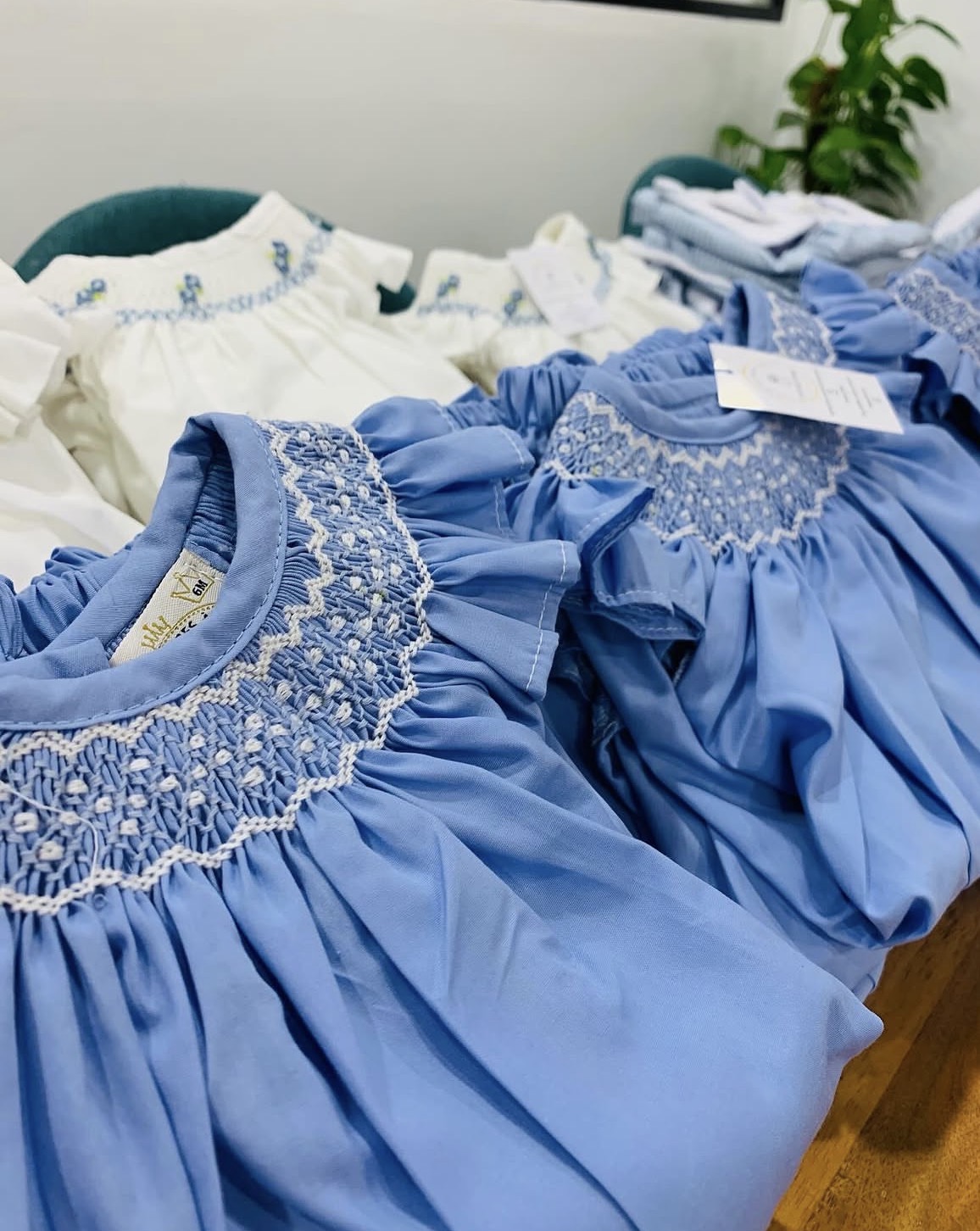
3. Artisan Smocking and Embroidery Authentic hand-smocking is a hallmark of Parisian fashion to coastal Florida. Unlike machine-generated patterns, which are often stiff and uniform, hand-smocking allows for variable tension. This creates a flexible, elastic bodice that expands comfortably as a child breathes and moves. The embroidery should look nearly as clean on the inside as it does on the outside, showing the deliberate, artistic hand of a skilled maker rather than a programmed needle.
4. Natural Closures and Densely Stitched Buttonholes Examine the buttons and fastenings closely. High-end artisan pieces avoid plastic, opting instead for natural materials like sustainable wood or polished shell buttons. These materials are more durable and provide a sophisticated weight. Furthermore, check the buttonholes; they should be densely stitched with no loose threads. A loosely stitched buttonhole is a sign of corner-cutting and will quickly stretch out or fray.
5. Reinforced Stress Points Children are constant explorers, and their clothing must accommodate wide ranges of motion. Look for reinforced stitching at the underarms, necklines, and the base of button plackets. This extra layer of security prevents the fabric from tearing at the points of highest stress, ensuring the garment remains intact through cycles of active wear and frequent washing for families who appreciate authentic artistry.
The Parisian Heritage: Why Local French Artisans Make the Difference
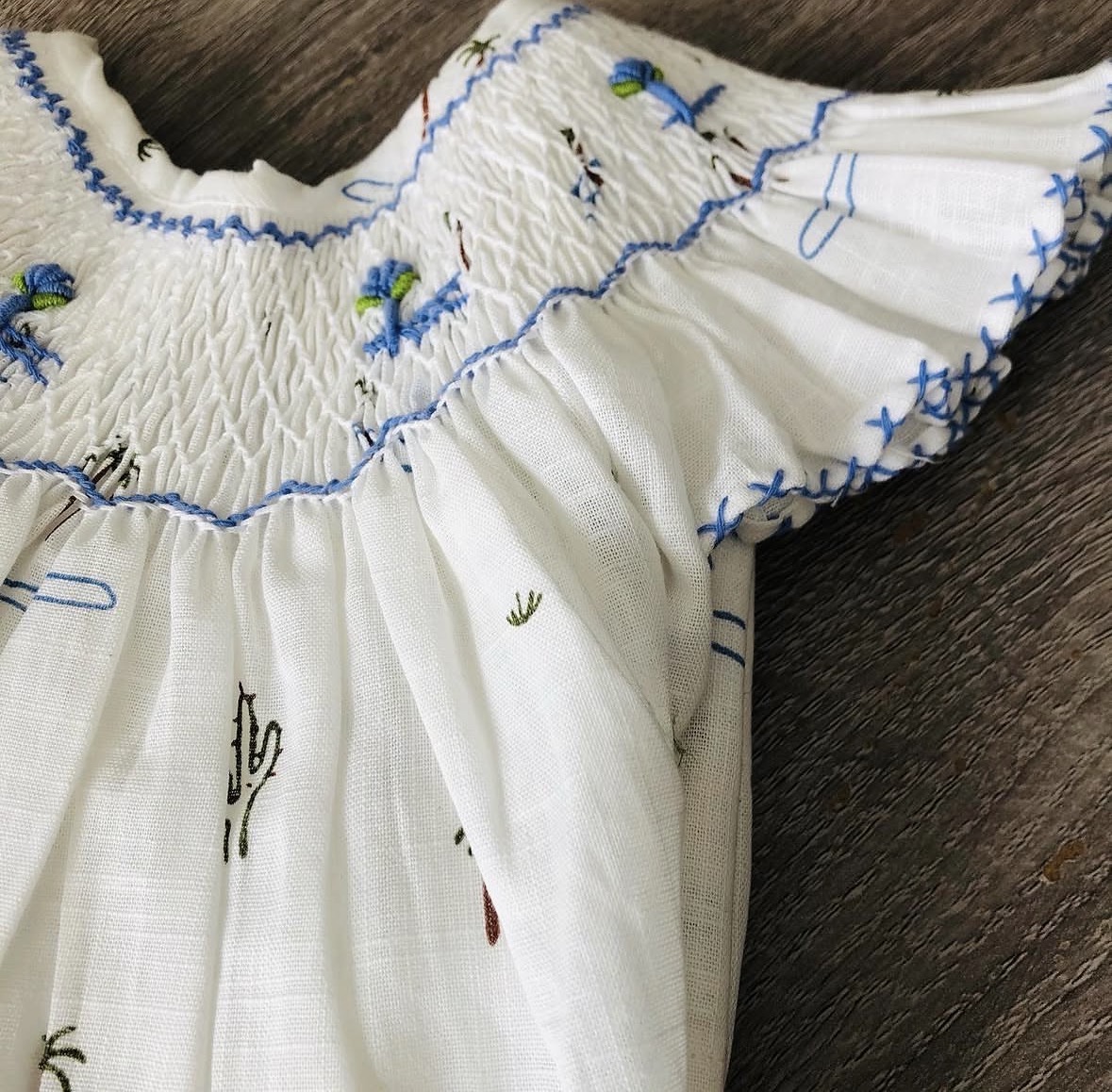
The structural precision of a garment is often a reflection of the culture that produced it. In France, children’s fashion is treated with the same reverence as haute couture, prioritizing timelessness over the fleeting cycles of fast-fashion trends. This heritage is the heartbeat of Petit Soleil. By sourcing from local Parisian artisans, we access a lineage of craftsmanship that mass-market brands cannot replicate. These makers rely on generations of passed-down techniques, such as specific pleating methods and delicate hand-stitching, to create pieces that feel deeply personal.
This commitment to authentic artistry ensures that every garment tells a story of heritage rather than one of industrial efficiency. While generic artisan labels may focus on a rustic look, the French Chic aesthetic is defined by a sophisticated balance of structure and ease. We translate this elegance from Parisian fashion to coastal Florida by selecting designs that maintain their classic silhouettes while utilizing fabrics suited for the Gulf Coast breeze.
Working with local artisans allows for a level of nuance that defines artisan children's clothing quality craftsmanship. You will notice this in the way a collar sits perfectly flat or how a hem is finished with a blind stitch that is nearly invisible. For families who appreciate authentic artistry, these details are not mere decorations. They are the result of a cultural philosophy that values the longevity of a garment as much as the comfort of the child wearing it. This bridge between European history and the Florida lifestyle creates limited, heirloom-quality collections that are both practical for beachside living and refined enough for formal occasions.
Building a Sustainable Capsule Wardrobe for Your Child
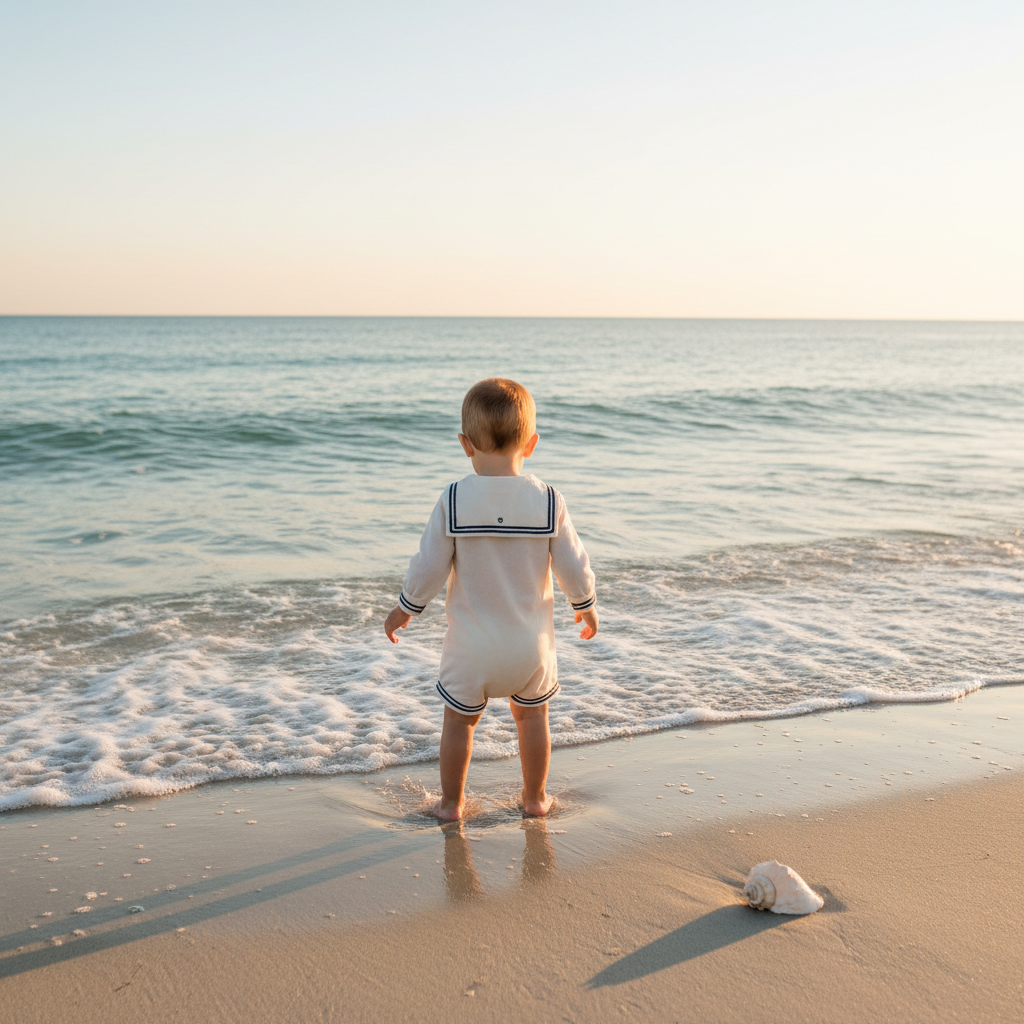
The heritage of a garment directly informs how it functions within a home. Adopting a "less but better" philosophy allows parents to move away from the cycle of constant replacement and toward a more intentional, sustainable wardrobe. When you prioritize artisan children's clothing quality craftsmanship, you shift your focus from volume to versatility. Investing in a few meticulously made pieces ensures that every item in the closet serves a purpose and withstands the rigors of childhood.
A curated coastal capsule for a child should prioritize layering and breathable fabrics. A functional starter list for the Florida climate might include:
A linen smock dress: Naturally thermoregulating for humid afternoons, providing elegance without restricting movement.
A high-quality cotton romper: Features like French seams and reinforced stress points make this a durable foundation for daily play.
A hand-knit cardigan: Essential for transitional weather or the cooler evening air coming off the Gulf.
To build a wardrobe that lasts, consider a simplified 3:3:3 approach: select three core outfits, three layering pieces, and three versatile accessories. Because these limited, heirloom-quality collections utilize long-staple natural fibers and high stitch densities, they do not suffer from the rapid degradation common in mass-market apparel. While the upfront cost reflects the labor of the maker, the long-term cost-effectiveness is superior. These pieces are designed to survive multiple growth spurts and can be passed down as cherished keepsakes, a standard appreciated by families who appreciate authentic artistry who seek to bring Parisian fashion to coastal Florida.
Care and Longevity: How to Honor Artisan Craftsmanship
Honoring artisan children's clothing quality craftsmanship extends to how you maintain each garment. To preserve the integrity of natural fibers and delicate stitching, adopt the French practice of gentle care. Use a mild, pH-neutral detergent in cold water to prevent fiber degradation. Avoid the high heat of a tumble dryer; instead, air dry pieces away from direct sunlight. This method protects the structural tension of hand-smocking and ensures the fabric remains supple rather than brittle.
By prioritizing these mindful habits for our limited, heirloom-quality collections, families who appreciate authentic artistry can ensure garments survive multiple children. This approach completes the journey of bringing Parisian fashion to coastal Florida, transforming daily wear into lasting family keepsakes. Consistent, gentle maintenance honors the labor of the artisan and keeps the fabric's weave density intact for years of use.
Recognizing the subtle signs of quality craftsmanship ensures your child wears clothing built for both comfort and longevity. While mastering these details takes time, valuing the hand-finished touch is a beautiful way to embrace slow fashion. If you want expert help curating a collection of meaningful, artisan-made pieces for your little ones, you can learn more About our dedication to slow fashion. We strive to simplify your search by sourcing only the most thoughtful designs, allowing you to focus on the joy of childhood.