Investing in sustainable heirloom children's clothing protects the environment by replacing disposable fast fashion with durable, natural fabrics designed to last for multiple generations. These high-quality garments reduce landfill waste and preserve the integrity of the resale market; ensuring that kids' apparel remains functional and eco-friendly long after its first use.
Many parents find themselves trapped in a frustrating cycle of purchasing mass produced garments that fail to survive a single season of play. These disposable clothes quickly lose their shape, pill after one wash, and eventually contribute to the mounting crisis of textile waste. At Petit Soleil, we advocate for a return to intentionality through sustainable heirloom children's clothing. Choosing quality over quantity is not merely an aesthetic preference; it is a practical commitment to the planet and your family's legacy. This article examines the environmental consequences of fast fashion and the vital role of natural fibers in creating durable pieces. You will learn about the 3-3-3 rule for a curated wardrobe, the importance of artisan craftsmanship, and how to select garments built to withstand the Florida sun. Finally, we will explore how these pieces fuel a circular economy that lasts for generations.
The Disposable Era of Children's Fashion
The modern approach to outfitting a nursery has shifted toward a high-volume, low-value cycle. Driven by the convenience of big-box retailers and rapid trend cycles, the buy more, wear once culture has fundamentally changed how we dress our children. Research indicates the global fashion industry now produces 92 million tonnes of textile waste annually. This waste is fueled by the staggering volume of garments consumed during childhood; a single child can go through up to 280 pieces of clothing in their early years alone.
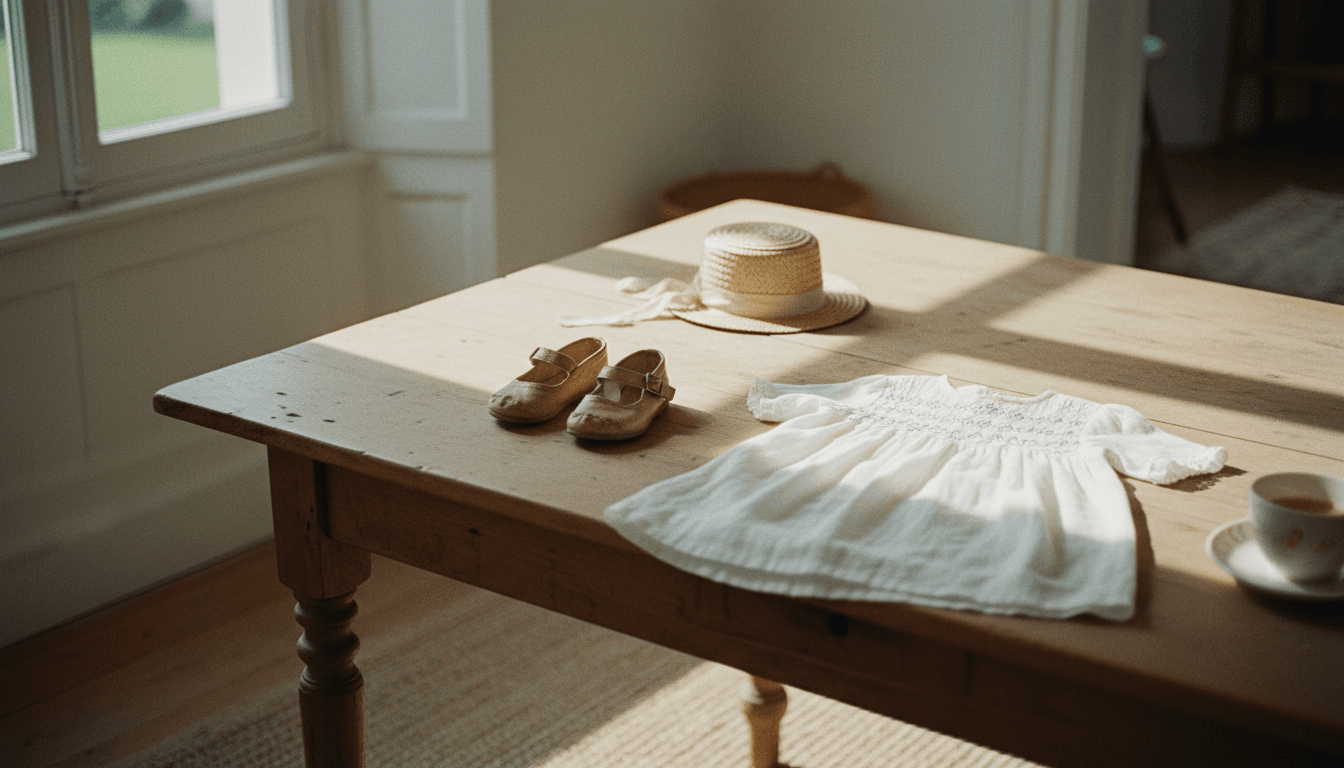
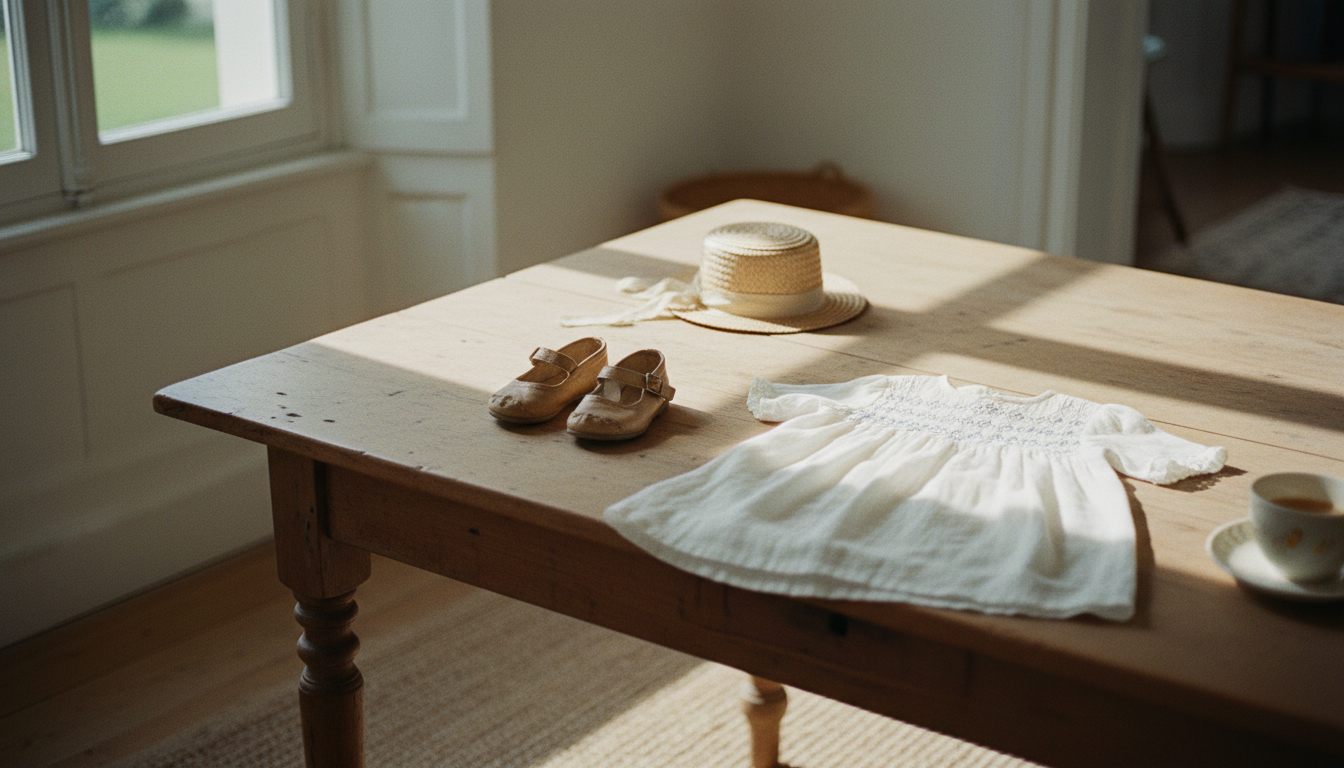
True sustainable heirloom children's clothing stands in direct opposition to this disposable model. An heirloom piece is defined by its structural integrity, including reinforced stitching, generous hems for growth, and the exclusive use of natural fibers like linen and high-grade cotton. These garments prioritize timeless silhouettes that transcend fleeting trends. In contrast, fast fashion relies on synthetic blends like polyester and acrylic, which lack breathability and are designed for short lifespans.
This culture of overconsumption has created a distinct crisis in the secondary market. Thrift stores are currently inundated with low-quality garments that pill, stretch, or lose their shape after a handful of washes, effectively hurting the resale market for families looking for genuine value. By returning to our Parisian roots and curating artisan-sourced children's collections, we can move away from garments destined for a landfill. A well-constructed piece is not just an outfit; it is a rejection of a culture that treats children’s clothing as a single-use commodity.
Understanding the Environmental Footprint of Fast Fashion Kids Clothes
The environmental toll of this high-volume cycle is staggering. Currently, the global fashion industry stands as the second-largest consumer of water and is responsible for 10% of total carbon emissions. These figures are driven by the mass production of garments that prioritize speed and low cost over ecological health. When a piece of clothing is priced lower than the cost of its raw materials, the planet pays the difference. Most mass-market children’s apparel relies on synthetic fibers like polyester and nylon, which are essentially petroleum-based plastics. Because these materials do not biodegrade, a single synthetic romper discarded today will persist in a landfill for hundreds of years.
Statistics reveal that 85% of all textiles produced annually end up in dumps or incinerators. This waste is a direct consequence of a manufacturing model that treats clothing as a perishable good. In contrast, the artisan-sourced children's collections found in Parisian workshops operate on a model of intentionality. These artisans utilize small-batch production, which drastically reduces the excess inventory that typically fuels textile waste. By focusing on local sourcing within Europe, these craftsmen minimize the logistical carbon footprint that plagues globalized fast fashion.
This shift toward small-scale production reflects our Parisian roots, where clothing is viewed as a craft rather than a commodity. The methods used by these artisans prioritize ethical labor and traditional techniques that require less heavy machinery and water than industrial factories. When parents choose garments created through these slow fashion practices, they are not just purchasing an outfit; they are opting out of a system that relies on plastic-heavy textiles. By moving away from synthetic blends that dominate big-box shelves, families can significantly lower their household's contribution to the global textile waste crisis.
Why Natural Fibers are the Foundation of Sustainable Heirloom Children's Clothing
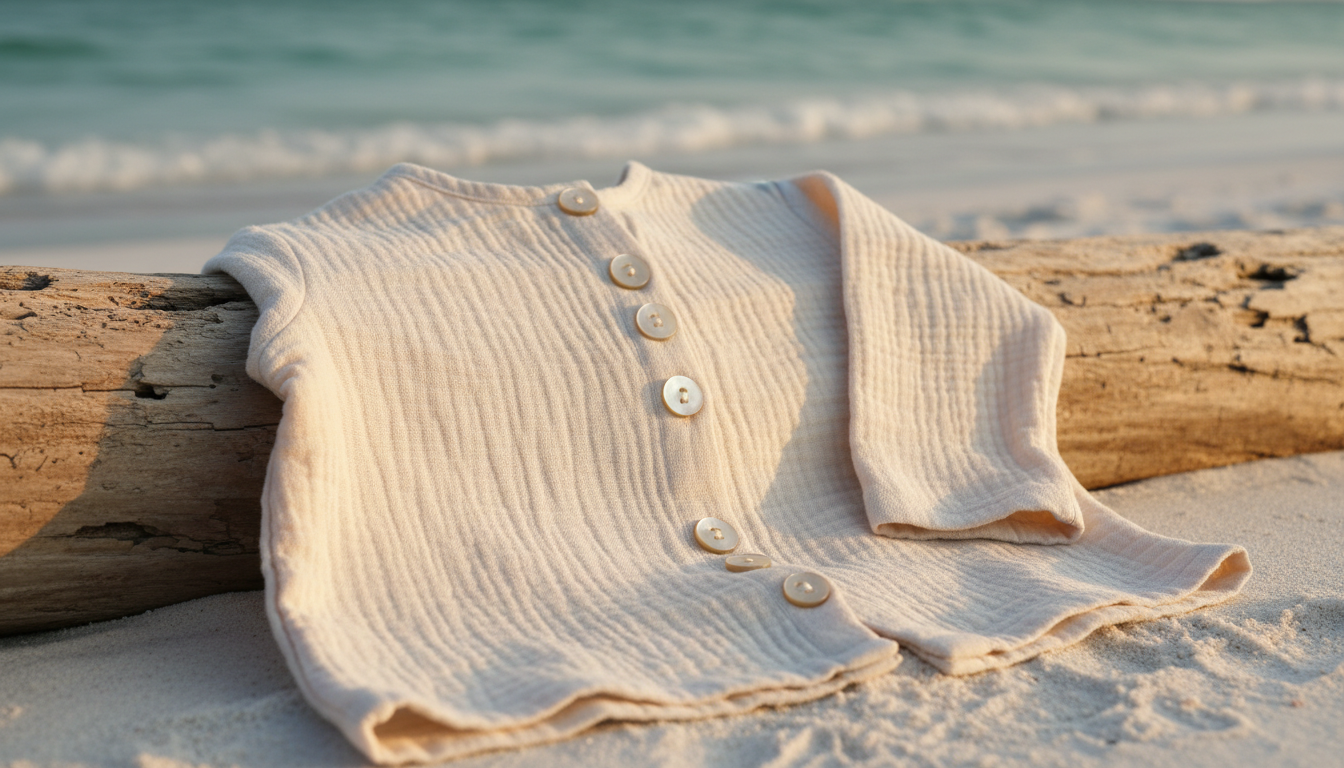
The shift toward intentional manufacturing naturally leads to a closer examination of raw materials. A common question among conscientious parents is whether 100% cotton is inherently bad for the environment. The answer depends entirely on the source and processing. Conventional cotton is often criticized for its high water consumption and reliance on synthetic pesticides. However, sustainable heirloom children's clothing utilizes a different standard: organic, long-staple cotton and high-grade European linen. These fibers are grown with a focus on soil health and water conservation, providing a stark contrast to the resource-depleting methods of mass-market textiles.
For families in Clearwater and throughout coastal Florida, these natural fibers offer unmatched practical benefits. The primary advantage is breathability. Unlike synthetic blends that trap heat and moisture against a child’s skin, linen and high-grade cotton allow air to circulate freely. This is essential for maintaining comfort in the Gulf Coast’s high humidity. Furthermore, these fibers possess a natural durability; they are strong enough to withstand the abrasive effects of salt air and frequent laundering while actually becoming softer with every wash.
Choosing natural materials found in artisan-sourced children's collections also mitigates a hidden environmental threat: microplastics. Most big-box children’s clothes contain polyester or nylon, which shed thousands of plastic microfibers into the water system during every wash cycle. Because heirloom garments are composed entirely of plant-based fibers, they do not contribute to ocean plastic pollution. At the end of their multi-generational lifespan, these pieces are fully biodegradable, ensuring they eventually return to the earth rather than persisting in a landfill for centuries.
The 3 3 3 Rule and the Philosophy of Fewer, Better Pieces
Adopting a capsule wardrobe philosophy naturally follows the choice of superior materials. The 3-3-3 rule offers a practical framework for this transition, suggesting a rotation of three versatile tops, three durable bottoms, and three pairs of high-quality shoes. This minimalist approach encourages parents to invest in artisan-sourced children's collections that prioritize structural integrity over sheer volume. By selecting pieces that coordinate effortlessly, the daily routine of dressing a child becomes an exercise in simplicity rather than a struggle with a cluttered nursery.
The economic reality of sustainable heirloom children's clothing is rooted in the concept of cost-per-wear. While the upfront price of an artisan-made garment reflects the fair labor and premium fibers involved, these pieces do not need the constant replacement required by fast fashion. A single hand-finished linen romper often outlasts five mass-produced synthetic alternatives that stretch or pill after three washes. When garments retain their shape and function through multiple seasons, the total expenditure on a child’s wardrobe decreases. This "fewer, better" philosophy transforms the nursery into a curated selection of intentional choices, ensuring every item possesses the durability to withstand active play while maintaining a sophisticated aesthetic.
Artisan Craftsmanship: The Human Side of Sustainability
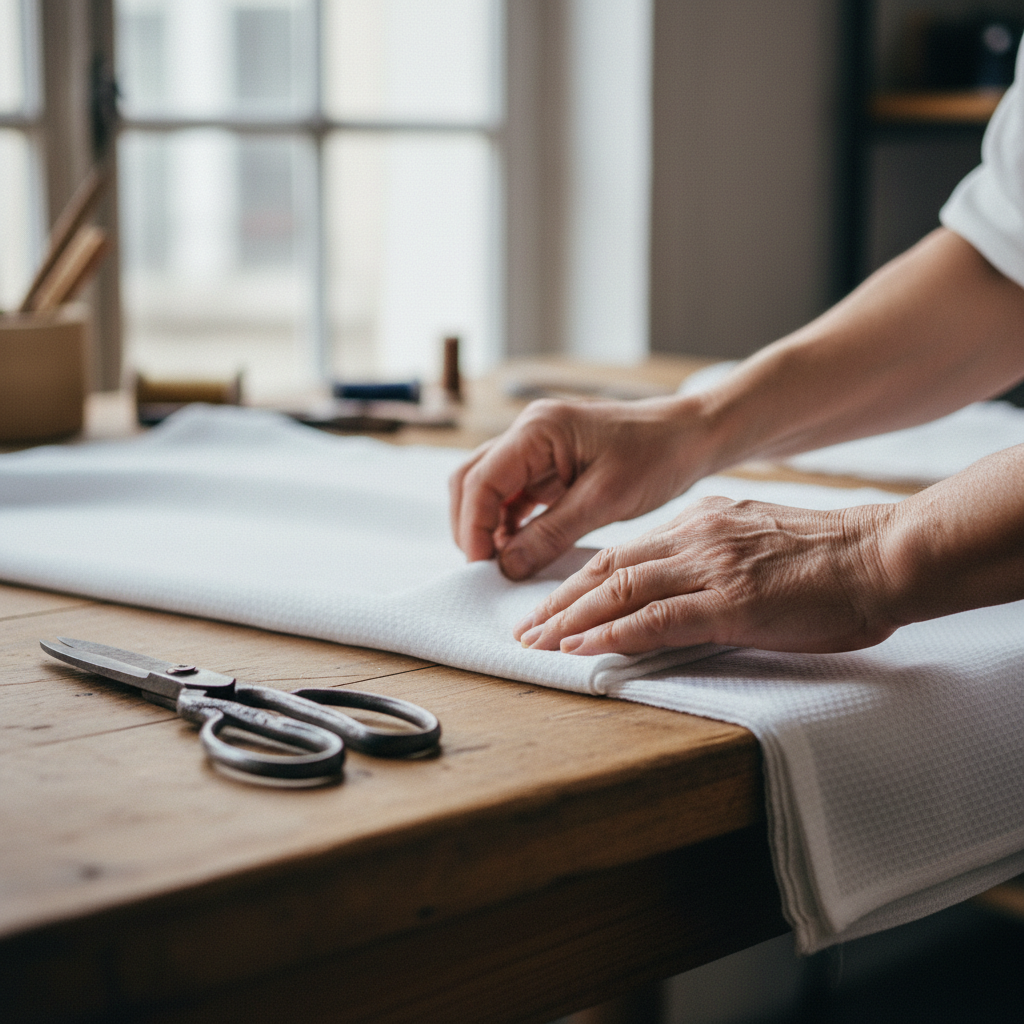
Transitioning to a minimalist wardrobe involves understanding the hands that craft each garment. The human element of sustainable heirloom children's clothing is often overlooked in the environmental debate, yet it remains a vital component of true sustainability. Our commitment to Parisian artisans ensures that every stitch supports a legacy of fair labor and ethical production. Slow fashion allows these craftsmen to work at a pace that respects their artistry, maintaining livable wages and safe working conditions that are frequently absent in industrial garment hubs.
This human-centric approach preserves heritage skills like hand-smocking and intricate embroidery, techniques that machines cannot replicate with the same depth or structural durability. Mass manufacturing prioritizes output speed, which inevitably leads to the declining quality many parents notice in modern retail. When speed is the primary metric, integrity is sacrificed; seams are rushed and finishes are overlooked, forcing a cycle of constant disposal. In contrast, the artisan-sourced children's collections rooted in our Parisian roots represent a deliberate investment in people. These garments are constructed with generous allowances and reinforced points of tension. By prioritizing the artisan over the assembly line, we ensure that the human skill poured into the fabric results in a piece that endures for years rather than weeks.
Built for the Coast: Durability in Florida's Salt and Sun
Transitioning from the artisan's hand to the Florida elements requires a garment that can withstand more than just indoor play. In Clearwater and across the Gulf Coast, the environment presents unique challenges for textiles. High humidity and salt air act as catalysts for the degradation of cheap synthetic fabrics; these petroleum-based materials often become brittle or lose their elasticity when exposed to constant moisture and intense UV rays. By contrast, the high-quality linen and hand-smocked cotton found in our artisan-sourced children's collections are naturally suited for this climate.
Linen is one of the few fibers that actually gains strength when damp, making it ideal for beach days where salt spray is inevitable. While mass-produced garments often pill or sag under the weight of Florida’s humidity, sustainable heirloom children's clothing maintains its structural integrity. The intricate hand-smocking typical of our Parisian roots creates a flexible, reinforced architecture that allows the fabric to breathe and move without straining the seams. This resilience ensures that the "better" piece in a wardrobe remains functional and beautiful, even after a full season of sun and salt.
The Ultimate Circular Economy: Passing Down the Legacy
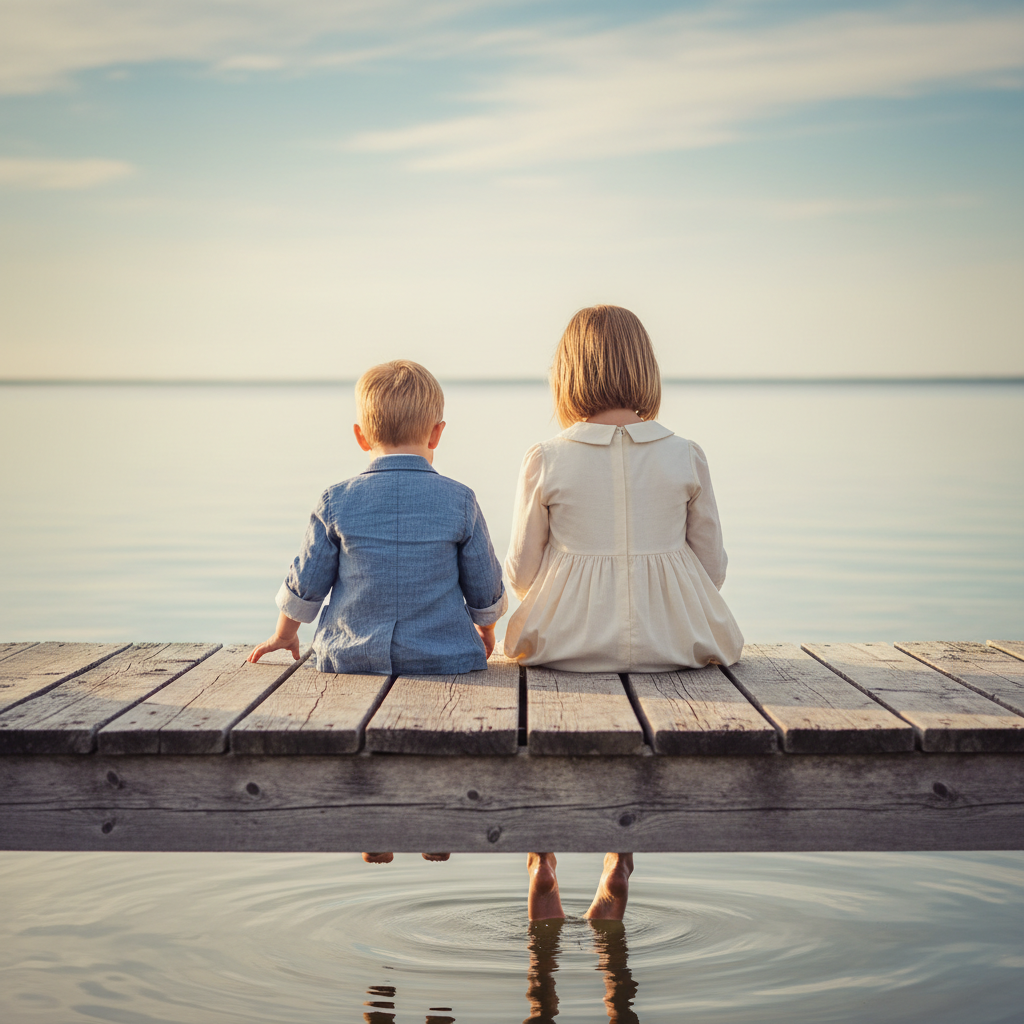
This physical resilience is the prerequisite for a functional circular economy. A significant gap in modern thrift culture exists because most donated items are already at the end of their functional life; they are technically recycled but effectively unusable. For sustainable heirloom children's clothing to break the cycle of 92 million tonnes of annual textile waste, the initial construction must be superior. True circularity is only possible when a garment is built to survive multiple owners without losing its silhouette or soft hand-feel.
By curating pieces from our artisan-sourced children's collections, families create a wardrobe meant for transition. A linen romper that serves four different children over twelve years has a radically lower environmental impact than twelve separate fast-fashion alternatives. This multi-generational utility is what allows us to honor our Parisian roots while protecting our coastal environment. Each hand-finished hem and reinforced buttonhole ensures the piece remains a gift for the next child rather than a contribution to a landfill.
Choosing sustainable, high-quality pieces for your children is more than just a style choice; it is an investment in our planet and a legacy for future generations. By prioritizing craftsmanship over fast fashion, you reduce waste while creating lasting memories. If you want expert help selecting the perfect wardrobe for your little ones, we are here to guide you. You can learn more about our values and how we source our collections to ensure every garment meets our high standards for beauty and sustainability.