High heirloom children's clothing resale value is driven by brand prestige and timeless design, with labels like Ralph Lauren, Jacadi, and Boden retaining significant worth. Durable construction and classic aesthetics ensure these garments remain desirable in the secondary market, allowing parents to recover a large portion of their initial investment.
Every mother knows the bittersweet feeling of folding away a hand-smocked dress that her daughter has already outgrown. It feels like a loss, both sentimental and financial, when high-quality investment pieces sit idle in a closet or cedar chest. However, the shift toward sustainable, slow fashion has transformed these garments into tangible assets; understanding the market for artisan craftsmanship allows you to reclaim the value of your child’s wardrobe. In this guide, we will explore the specific factors that drive resale prices, from the enduring demand for hand-stitched detailing to the technical nuances of preserving delicate fabrics in the Florida humidity. You will learn how to identify high-value labels and select the best platforms to ensure your cherished pieces find their next home at the price they deserve.
The Evolution of Children's Fashion: From Disposable to Heirloom
The landscape of children’s wardrobes is undergoing a significant transformation as parents move away from disposable, mass-produced garments toward the principles of slow fashion. In the world of fast fashion, pieces often lose their shape or finish after a single laundry cycle, leaving them with zero secondary market appeal. Conversely, artisan-made garments are engineered for longevity, allowing heirloom children's clothing resale value to remain high even after years of wear.
For families in Clearwater, the coastal lifestyle necessitates this level of quality. Sunset photo sessions at Sand Key Park or formal gatherings along the Gulf require clothing that maintains its sophistication against the elements. High-end pieces provide an effortless charm that mass-market brands cannot replicate. While well-known labels like Ralph Lauren and Petit Bateau are recognized for retaining nearly half of their retail value, there is a distinct, high-value niche for true artisan craftsmanship.
Inspired by our story in France, we curate artisan-made children's collections that focus on small-batch production. These limited runs from Parisian ateliers create a sense of scarcity, ensuring that the clothing remains a valuable investment for the next family. This evolution from disposable to heirloom highlights a growing appreciation for the specific technical details that define a garment’s lasting worth.
What Determines Heirloom Children's Clothing Resale Value?
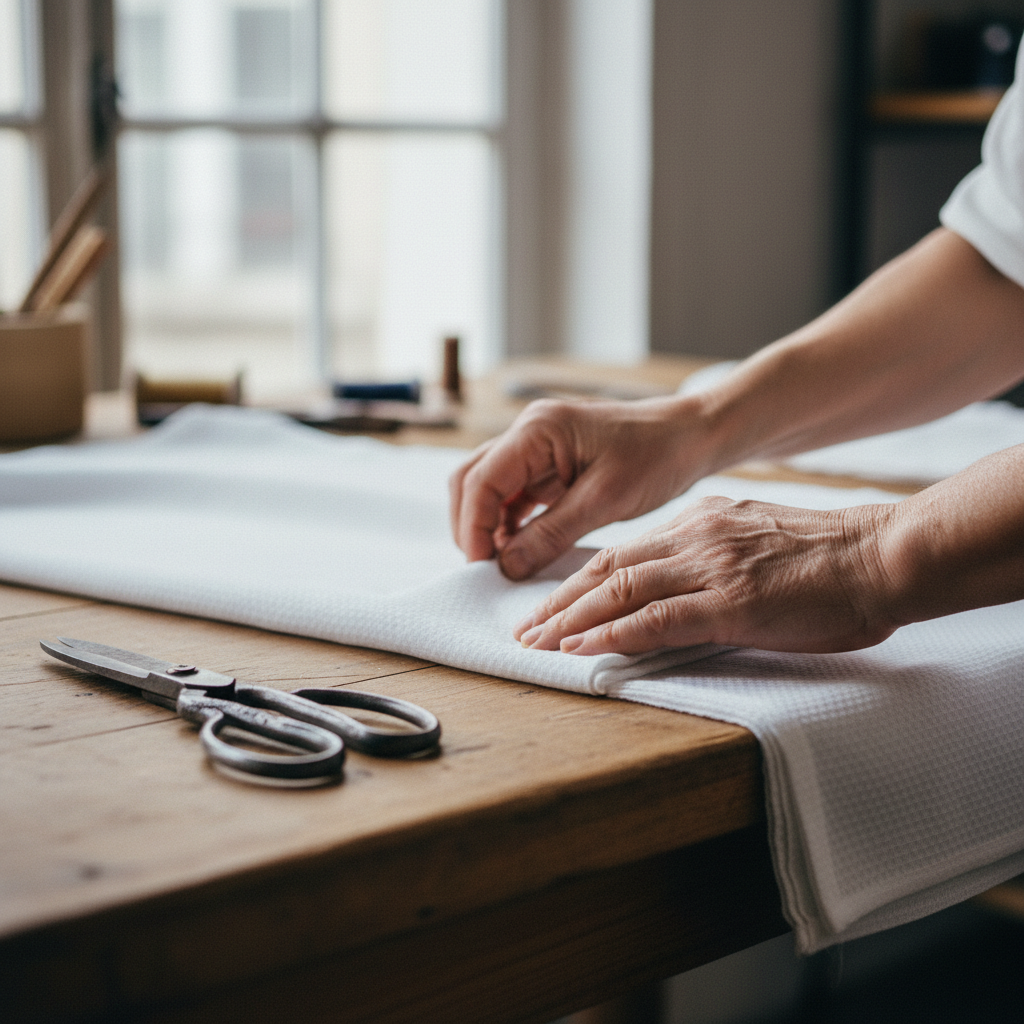
Understanding the secondary market requires looking past the label to the technical specifications of the garment. To determine the potential heirloom children's clothing resale value, we evaluate four primary pillars: material, craftsmanship, rarity, and timelessness.
First, material quality is paramount. Artisan pieces utilize natural fibers like organic linen and cotton voile. These fabrics are not only breathable for the Gulf Coast climate but also lack the synthetic fibers that cause pilling and thinning over time. Second, the level of craftsmanship distinguishes a collectible piece from a standard one. Hand-smocking and French seams are clear indicators of value. A French seam, which encases the raw edge of the fabric within the stitch, prevents fraying and provides a polished finish that survives dozens of wash cycles.
Many parents ask, "What are heirloom baby clothes?" Simply defined, they are garments intended to be passed down through generations due to their superior construction and classic aesthetic. This differs from "vintage" clothing, which is defined by its age. An heirloom piece is designed from its inception to eventually become vintage through lasting quality.
Pillar | Feature | Impact on Resale |
|---|---|---|
Material | Linen & Cotton Voile | Maintains structural integrity and texture after washing. |
Craftsmanship | French Seams & Hand-Stitching | Increases durability and signals high-end production. |
Rarity | Limited Artisan Runs | Creates scarcity; harder to find on the open market. |
Timelessness | Classic Silhouettes | Ensures the garment is not tied to a fleeting fashion trend. |
While established French brands like Jacadi are known to retain high value in the pre-loved market, artisan-made children's collections offer a unique scarcity. When a piece is part of a limited run from a small Parisian atelier, the lack of market saturation naturally keeps the resale price closer to the original retail cost. By prioritizing these four pillars, families ensure their purchases remain assets rather than disposable expenses.
The Smocked Dress Market: Why Hand-Stitching Sells Fast
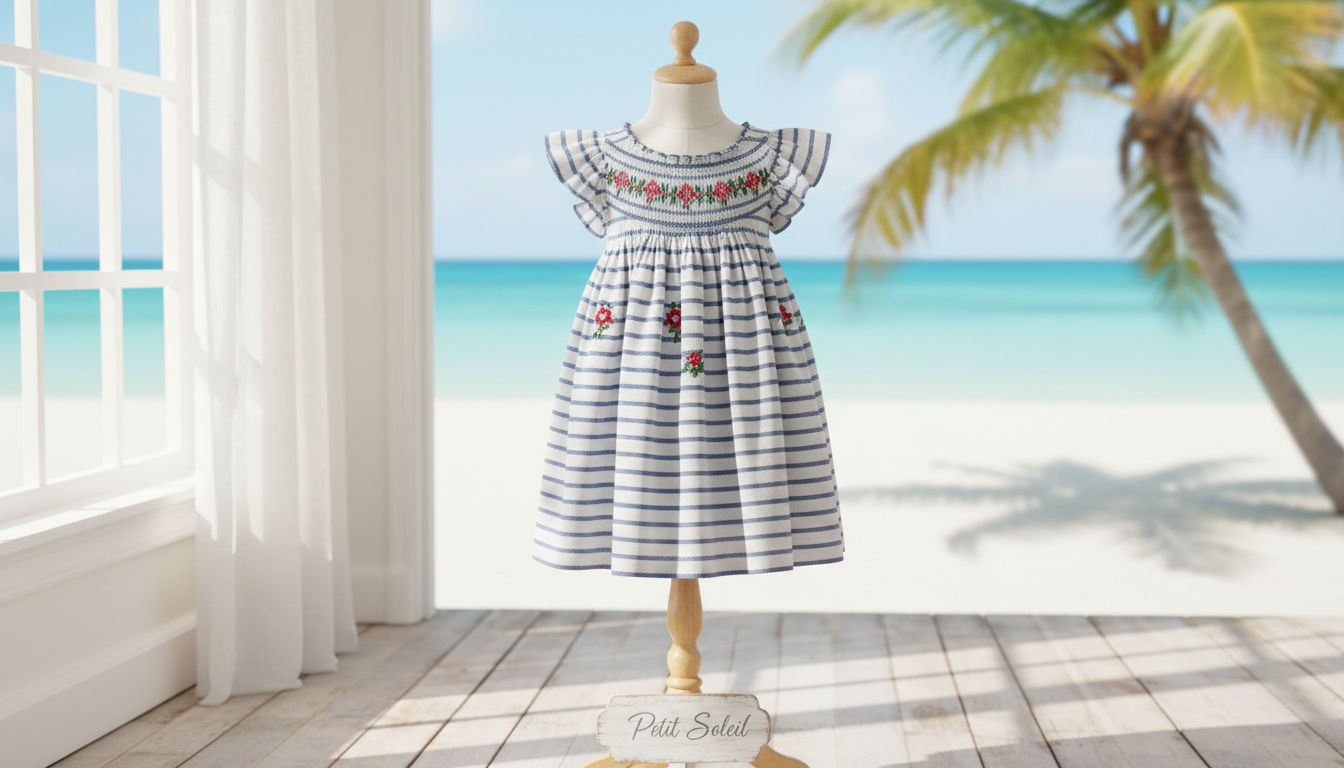
The secondary market for smocked garments is exceptionally robust, driven by a community of collectors who prioritize traditional techniques over modern convenience. On platforms such as Kidizen and specialized Facebook resale groups, the term hand-smocked serves as a critical filter for discerning buyers. While premium commercial brands like Quincy Mae and Petit Bateau consistently hold between 40 and 50 percent of their retail value, artisan pieces from Parisian ateliers often exceed these benchmarks. The premium is attributed to the labor-intensive nature of the craft, where each pleat is gathered and embroidered by hand rather than by a programmed machine.
Category | Typical Resale Value | Primary Value Driver |
|---|---|---|
Premium Boutique Brands | 40% - 50% | Brand recognition and durability. |
Artisan Parisian Smocking | 50% - 70%+ | Scarcity and labor-intensive hand-stitching. |
Hand-smocking provides a structural elasticity that machine-stitching cannot replicate, allowing a dress to fit comfortably as a child grows. This functionality, combined with the visual intricacy of the needlework, directly bolsters the heirloom children's clothing resale value. In the coastal Florida market, these dresses are prized for their versatility; they transition seamlessly from a morning at a Clearwater garden to a formal evening event.
Buyers in these niche markets look for specific technical markers. Reflecting the techniques explored in our story in France, a genuine hand-smocked piece from our artisan-made children's collections features slight variations in the embroidery that signal authentic human artistry. Because these items are produced in limited quantities, they bypass the saturation seen with mass-market labels. When a garment is recognized as a limited run from a specific artisan, it often triggers a competitive environment on resale sites, where pieces are claimed within minutes of being posted.
Artisan Craftsmanship vs. Boutique Labels
While established boutique brands like Janie and Jack or Boden maintain a respected presence in the secondary market, there is a distinct line between mass-premium labels and artisan craftsmanship. Boutique brands are produced in significant quantities across global supply chains. They offer a predictable level of quality that secures a reliable heirloom children's clothing resale value, but they lack the intrinsic rarity required to become true collector’s items. In contrast, the pieces curated within our artisan-made children's collections are born in small Parisian ateliers where production is measured in dozens rather than thousands.
This scarcity is the primary driver of long-term worth. Unlike generic suggestions often found on content farms, such as Zara or Hanna Andersson, which prioritize volume, artisan pieces represent a finite resource. When a specific design from a French artisan sells out, it is rarely restocked in the same fabric or embroidery pattern. This unique nature ensures that the garment maintains its price point on high-end resale platforms; collectors are often willing to pay a premium for a piece they cannot simply re-order from a website.
Category | Production Scale | Secondary Market Status |
|---|---|---|
Mass-Market (Zara, etc.) | Global / Millions | Low; often considered disposable. |
Boutique (Boden, Janie & Jack) | Large Scale / Thousands | Good; stable 40-50% resale. |
Artisan (Petit Soleil) | Atelier / Small Batch | High; collectible with scarcity premium. |
This differentiation is central to our story in France. We focus on sourcing from makers who prioritize the integrity of the garment over the speed of the sale. For a family in Clearwater, investing in an artisan piece means owning a slice of textile history. While a boutique label offers a charming look for a season, an artisan piece offers a legacy of craftsmanship that remains coveted by other parents long after your child has outgrown it.
Preserving Value in the Florida Climate
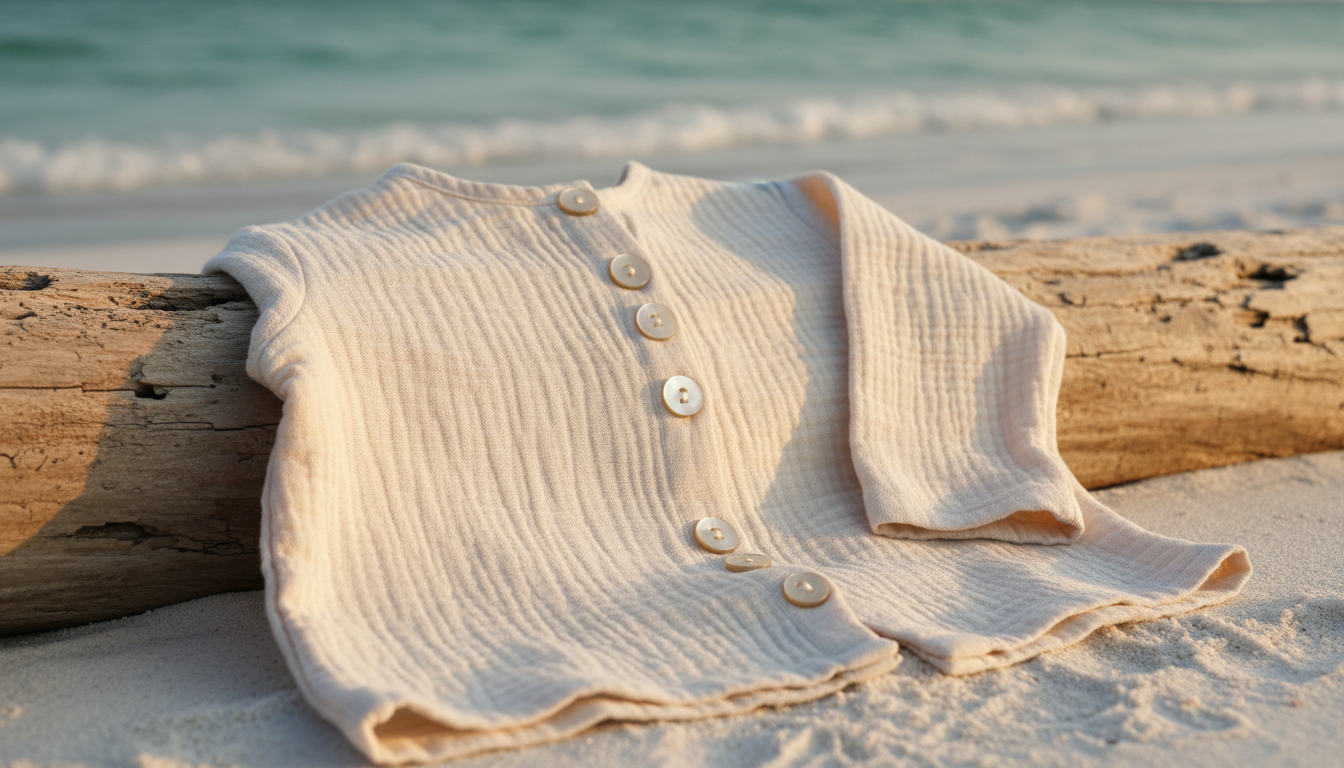
Maintaining the integrity of artisan fabrics in Clearwater requires a proactive approach to the local climate. High humidity and salt-saturated air can degrade natural fibers if not addressed immediately. To secure the highest heirloom children's clothing resale value, garments must be kept in Excellent Used Condition (EUC). This standard requires that the fabric remains free of thinning, fading, or salt-related stiffness.
Salt air is particularly abrasive to the fine cotton voile and linen found in our artisan-made children's collections. After a day at the shore, rinse garments in cool, fresh water to prevent salt crystals from dehydrating the fibers. If sand becomes trapped in the weave of a linen romper, avoid rubbing the fabric, as this causes pilling. Instead, allow the garment to dry completely and gently shake it out or use a soft-bristled brush.
Storage is equally critical in a coastal environment. Avoid plastic bins, which trap moisture and encourage mildew; instead, use breathable cotton garment bags in a climate-controlled space. For a deeper look at specific laundering techniques, consult our guide on how to care for heirloom children's clothing. By neutralizing the effects of the Florida sun and humidity, you ensure the garment retains the visual and structural quality that collectors demand.
Where to Sell and How to Price Your Heirloom Pieces
When a garment is no longer needed, choosing the right platform is the first step in recouping your investment. For parents asking "Where's the best place to sell used children's clothing?", the answer depends on the garment's pedigree. High-volume platforms like Kidizen are excellent for artisan brands because they host a dedicated community of slow fashion enthusiasts. Poshmark serves a broader audience, while The RealReal is often the best fit for the truly elite European labels featured in our artisan-made children's collections.
Setting a price requires a balance of market data and garment condition. A reliable formula for heirloom children's clothing resale value is to start at 40 to 60 percent of the original retail price for items in excellent used condition. Because the pieces we source during our story in France are produced in limited runs, they often command the higher end of that spectrum. If a piece is "New With Tags" or a rare seasonal smocked design, you may even approach 70 percent of retail.
Platform | Best For | Audience Type |
|---|---|---|
Kidizen | Artisan & Smocked | Targeted collectors |
Poshmark | Boutique Labels | General high-end buyers |
The RealReal | Luxury & Designer | Luxury connoisseurs |
Presentation is the final variable in the resale equation. Move beyond basic flat-lay photos on a bed; instead, capture lifestyle images that show the garment in natural, soft light. Clear, macro photography of genuine shell buttons, hand-stitched embroidery, and clean hems validates the quality to a remote buyer. By following the steps in our guide on how to care for heirloom children's clothing, you ensure that these visual cues represent a garment that is as structurally sound as the day it left the Parisian atelier. High-quality imagery suggests the item has been well-maintained, which justifies a premium price point.
Investing in heirloom children’s clothing is a thoughtful way to blend timeless style with smart financial planning. By choosing quality fabrics and reputable brands, you ensure these precious garments retain their beauty and value for years to come. If you want expert help navigating the world of high-end children’s fashion or selecting the perfect pieces for your collection, we would love to assist. You can learn more about our story and how we help families preserve these cherished traditions.