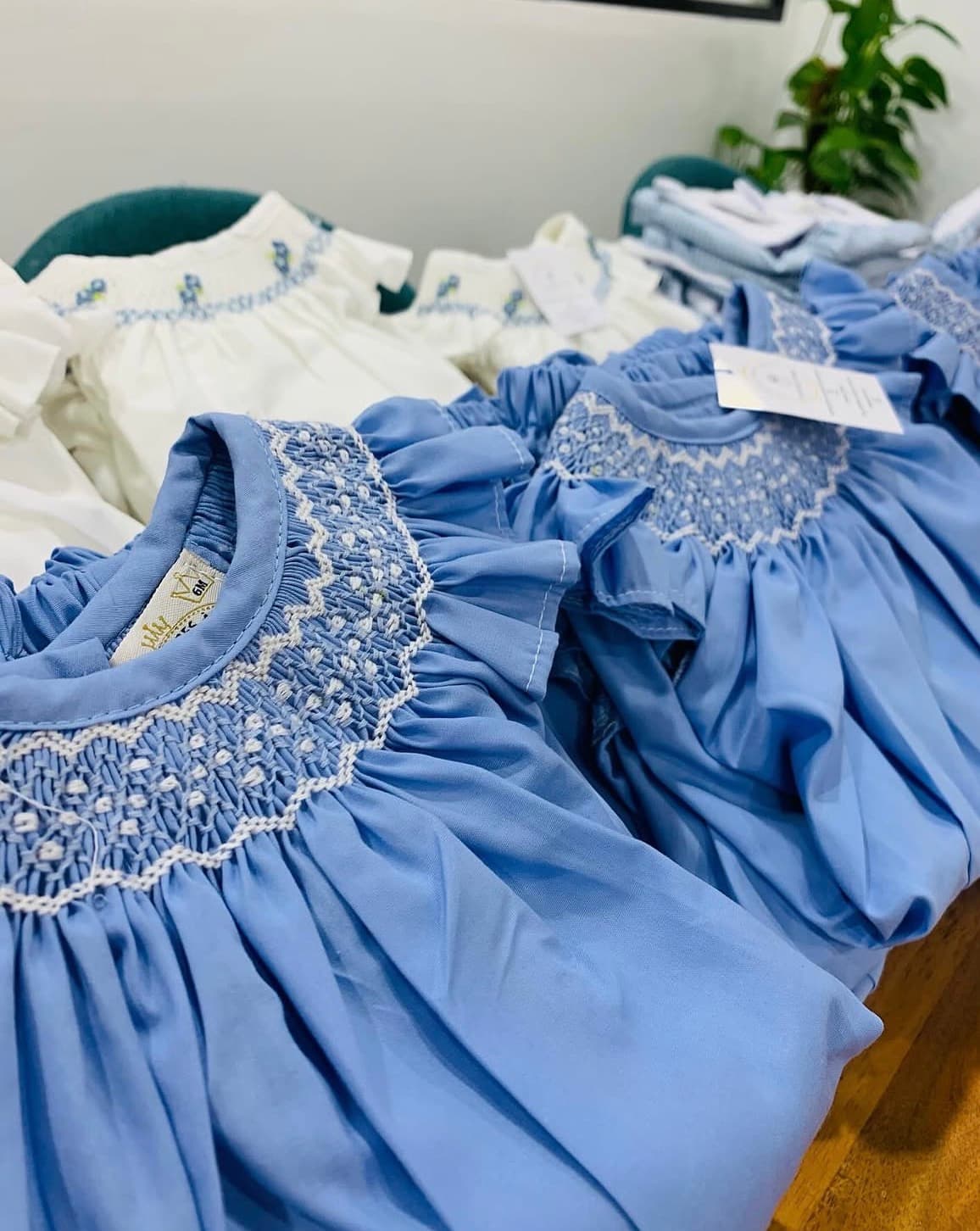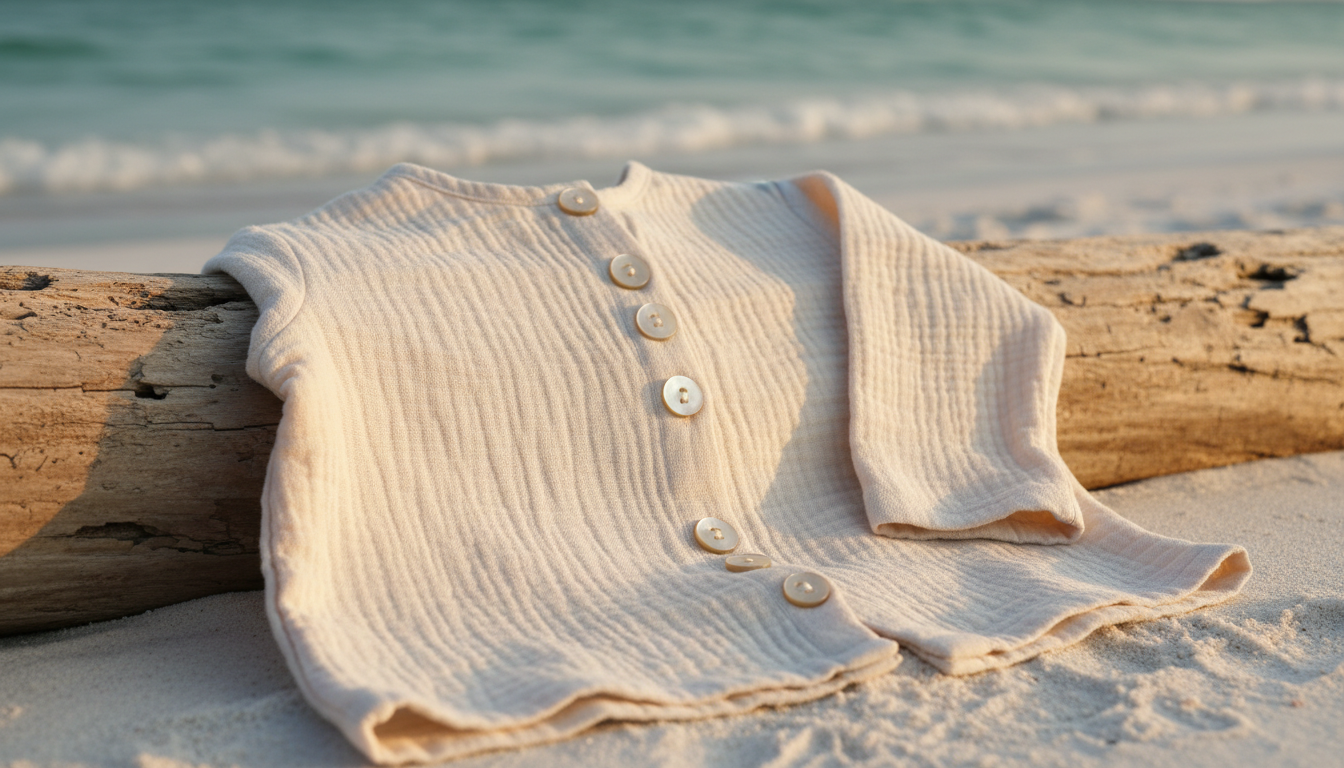
Effective methods for how to care for heirloom children's clothing include hand washing garments with mild soap and air drying them to prevent heat damage. Preservation requires storing clean, dry items in airtight containers or acid free boxes to protect delicate fibers from humidity and pests; folding items neatly rather than hanging them helps maintain their shape.
There is a distinct sense of panic that arises when a smear of mineral sunblock or a splash of saltwater touches a hand-smocked linen dress. For many coastal families, the challenge of preserving delicate children’s garments against the relentless Florida humidity and abrasive sand often feels like a losing battle. However, these pieces are far more than mere clothing; they are woven memories designed to be passed down through generations. To ensure your investment retains its pristine beauty, you must adopt a specialized, expert approach to preservation. In this guide, we will share practical techniques for laundering heritage cottons, protecting intricate shell buttons from the elements, and preventing the yellowing that often plagues stored linens. You will learn how to defend your keepsakes against the unique environmental demands of the coast while restoring even the most stubborn vintage stains.
The Artisan Difference: Why Heirloom Fabrics Require Special Care
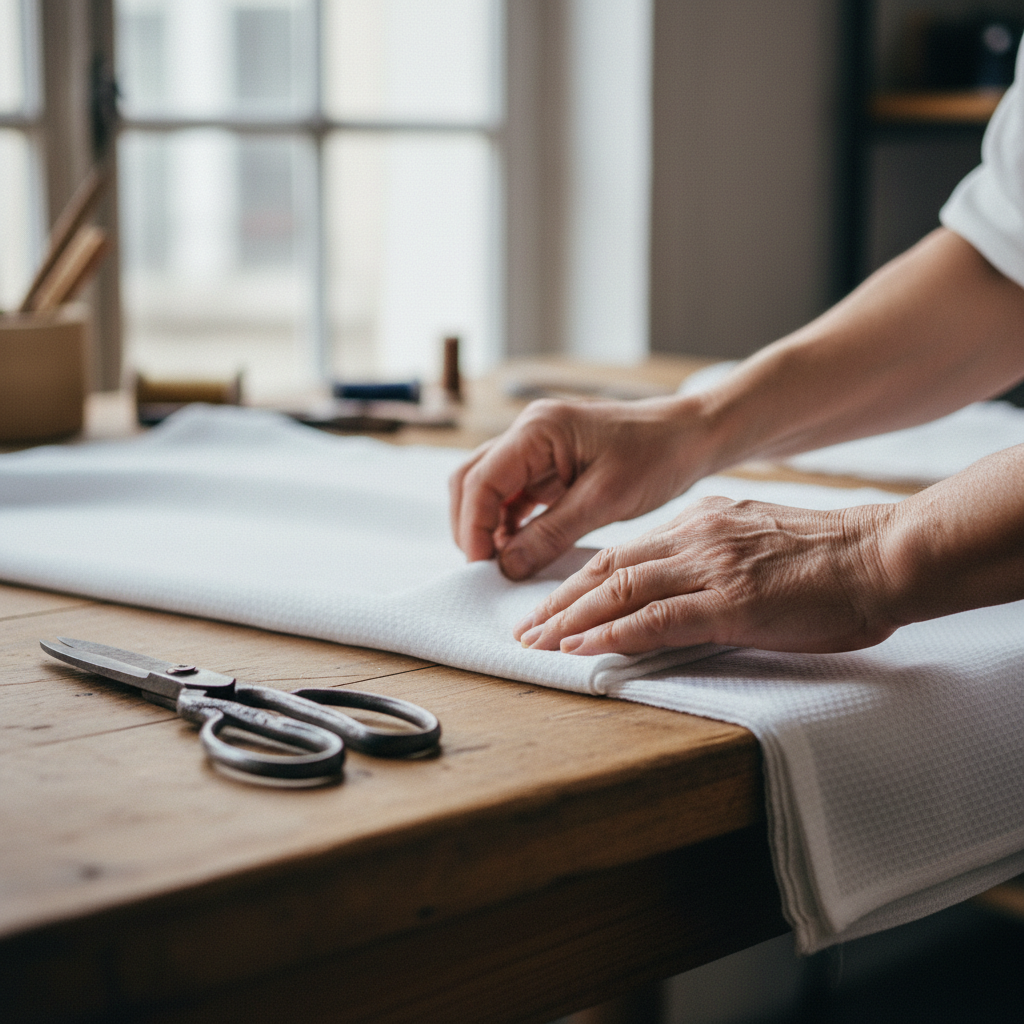
Heirloom garments are distinguished by their structural integrity and the purity of their composition. Unlike mass-produced baby clothes that often rely on synthetic blends and chemical resins to create a temporary, shelf-ready crispness, artisan-made children's clothing features natural fibers in their most authentic state. At Petit Soleil, we source Parisian cotton voile, fine linen, and intricate laces directly from small workshops. These materials are chosen specifically for their breathability and softness; qualities that define our fabrics for the Florida heat.
Because these pieces are crafted using traditional methods rooted in our Parisian heritage, they lack the harsh anti-wrinkle coatings and formaldehyde-based finishes common in fast fashion. While those chemicals make garments feel stiff initially, they eventually cause the fibers to become brittle and degrade. Natural, hand-finished fabrics are dynamic; they soften with every wash and respond to their environment. Understanding this fundamental difference is the first step in learning how to care for heirloom children’s clothing. These garments are designed to be passed down through generations, but their longevity depends on maintaining the delicate balance of the natural fibers without the interference of industrial chemicals. This guide provides the technical expertise required to preserve these works of art against the unique challenges of a coastal lifestyle.
Washing Heritage Linens and Cottons Without Damage
Preserving the supple texture of artisan-made children's clothing begins with a controlled washing environment. Unlike industrial laundering, which relies on aggressive friction and high heat, the preservation of heritage fabrics requires a gentle, manual approach. The goal is to lift impurities while maintaining the structural elasticity of the fibers.
To begin the process of learning how to care for heirloom children's clothing, follow these technical steps:
Fill a clean basin with cool to lukewarm water. It is essential to ensure the water temperature never exceeds 110 degrees Fahrenheit. High heat can cause immediate fiber shock, leading to shrinkage in cotton voile or permanent, sharp creasing in fine linen.
Incorporate a small amount of pH-neutral liquid detergent. You must explicitly avoid any formulas containing enzymatic cleaners or bleach. While enzymes are marketed for stain removal, they function by breaking down proteins; over time, they will literally eat away at the natural cellulose of linen and cotton, causing the fabric to thin and eventually fray.
Submerge the garment and gently circulate the water with your hands. Avoid scrubbing or twisting. Allow the piece to soak for approximately 15 to 20 minutes.
Rinse the garment thoroughly in fresh, cool water until every trace of soap is removed.
Perform a final rinse with a splash of distilled white vinegar. This traditional French technique neutralizes any remaining alkalinity from the soap and helps dissolve mineral deposits from Florida water, ensuring the fabric remains soft without the use of chemical softeners.
It is vital to bypass detergents containing optical brighteners. These additives are essentially fluorescent dyes that remain in the fabric to reflect light. Under the intense UV index of Clearwater, these chemicals can oxidize, causing your white garments to develop a dull yellow or grey cast over time. Choosing a pure, transparent cleanser preserves the natural luminosity and our Parisian heritage reflected in every piece.
Combatting the Coastal Elements: Salt Air, Sand, and Sunscreen

While a vinegar rinse addresses laundry minerals, the environmental factors of Clearwater Beach require a proactive defense. Coastal living introduces salt air, which is more than a pleasant scent; it is a physical presence that interacts with natural fibers. Salt is naturally hygroscopic, meaning it attracts moisture from the Florida humidity directly into the weave of the fabric. If artisan-made children's clothing is exposed to the sea breeze and then stored without a fresh-water rinse, that trapped moisture can lead to mildew within days, even in climate-controlled homes.
Maintaining your collection requires a specific protocol for beach days to ensure you know how to care for heirloom children's clothing in a tropical climate. Sand must be addressed with urgency. Because sand consists of crystalline particles, it acts as a microscopic abrasive. When trapped between the fine threads of fabrics for the Florida heat, these grains saw at the fibers with every movement of the child, leading to premature thinning or pilling. Always shake out garments thoroughly while they are still dry, as moisture causes sand to lock into the weave.
Sunscreen presents a unique chemical challenge. Many popular formulas contain avobenzone, which reacts with the high mineral content in Florida’s hard water. This reaction creates a permanent, rust-like orange stain that is particularly devastating to white linen or cotton voile. If a smudge of sunscreen touches the fabric, treat it before it meets the wash water. Avoid industrial stain removers that can weaken the threads of our Parisian heritage pieces. Instead, use a natural pre-treatment of fresh lemon juice and salt on the spot, then utilize the natural bleaching power of the sun. Laying the garment flat in the sunlight for thirty minutes allows the citric acid to lift the pigment safely, preserving the integrity of the artisan fabric without the use of caustic bleaches.
Preserving Intricate Details: Hand Smocking and Shell Buttons
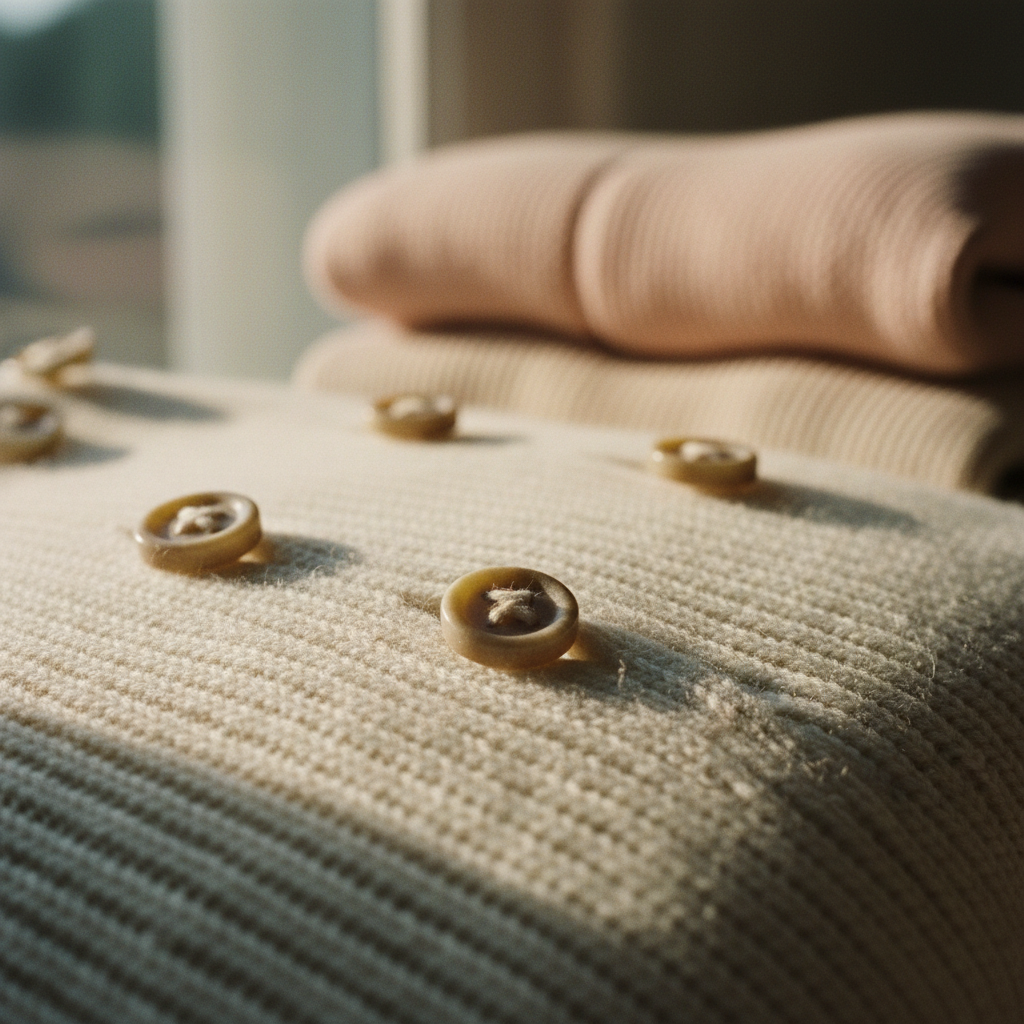
Beyond the fabric itself, the soul of artisan-made children's clothing lies in the meticulous handwork that defines each piece. In garments like our Palmier Handcrafted Dress, hand smocking provides both decorative beauty and functional elasticity. This technique involves gathering fabric into tight pleats before securing them with intricate embroidery threads. To maintain this delicate structure, you must treat the smocked panel with specific care. When the garment is wet, the threads are at their most vulnerable. You must never wring or twist smocked fabric; doing so snaps the embroidery threads or permanently distorts the tension of the pleats, ruining the architectural fit that honors our Parisian heritage.
Natural fastenings, such as mother-of-pearl or carved shell buttons, require equal vigilance. Unlike the plastic resin buttons found in mass production, these organic materials are susceptible to thermal shock. Placing heirloom garments in a high-heat dryer can cause these buttons to become brittle, leading to hairline fractures or complete cracking. The loss of an original shell button often compromises the historical integrity of the piece, as matching the unique luster of artisan-sourced shells is remarkably difficult. This is another reason why heat remains the primary enemy of fabrics for the Florida heat.
When you have finished the gentle rinsing process, reshape the garment by hand while it is still damp. To properly execute how to care for heirloom children's clothing, you should air dry flat on a clean, light-colored towel to maintain the garment's silhouette. This prevents the weight of the water from pulling at the smocking or straining the hand-sewn button loops, ensuring the piece retains its original, curated form for the next generation.
Long Term Storage: Preventing Yellowing in Humid Climates
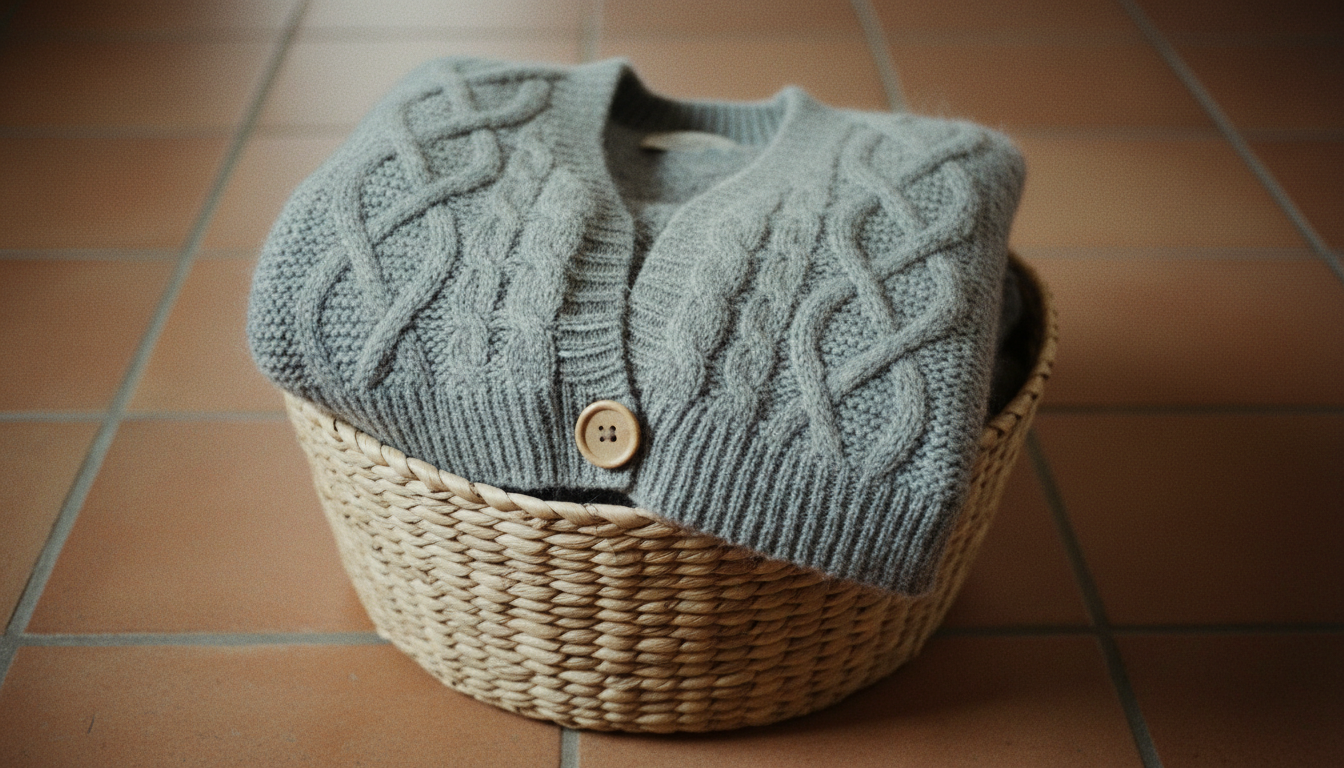
Maintaining the pristine condition of artisan-made children's clothing during the months between seasons requires a departure from standard storage habits. In the Gulf Coast climate, the primary threats to preservation are oxidation and trapped moisture. Many parents are dismayed to find yellowed patches on garments that were seemingly clean when put away. These stains are typically the result of oxidized proteins, such as invisible residues of milk, formula, or sweat, which darken over time when exposed to air. Additionally, off-gassing from plastic storage containers can trigger a chemical reaction with natural fibers, leading to permanent discoloration.
To master how to care for heirloom children's clothing in Florida, you must avoid plastic bins and vacuum-sealed bags. While these products promise to save space, they are detrimental in humid environments. Plastic traps ambient moisture inside the seal, creating a stagnant microclimate that encourages mold and mildew growth. This is particularly dangerous for the delicate fabrics for the Florida heat like linen and cotton voile, which require consistent airflow to remain stable.
The professional standard for preservation involves acid-free archival boxes and acid-free tissue paper. Standard cardboard contains lignins that produce acid as they decompose; this acid will eventually migrate into your clothing and cause brittle, yellowed edges. By wrapping each piece in buffered, acid-free tissue, you create a pH-neutral barrier that protects the fibers from environmental pollutants. Fold the garments loosely to avoid setting permanent creases in the weave.
To further honor our Parisian heritage, consider incorporating natural pest deterrents rather than toxic mothballs. A small block of aromatic cedar or a sachet of dried culinary lavender, reminiscent of the vibrant stalls in a Provençal market, provides a sophisticated scent while naturally repelling silverfish and moths. These organic elements complement the natural integrity of the textiles without introducing synthetic perfumes that could damage the fabric over decades.
Restoring Your Keepsakes: How to Remove Old Stains
When reviving pieces passed down through generations, the goal is to gently lift years of oxidation without compromising the vintage threads. The most effective restoration technique for artisan-made children's clothing is a long, controlled soak. Use distilled water, which lacks the heavy mineral content found in local municipal systems, and add a specialized oxygen-based powder. Never use chlorine bleach; it is too caustic for aged fibers and often leaves a permanent yellow ring where the stain once sat.
A traditional method from our Parisian heritage involves "le blanchiment sur pré," or whitening on the meadow. For 100% cotton or linen fabrics for the Florida heat, lay a damp garment on clean grass in the morning sun. The oxygen released by the grass works with UV light to lift age spots naturally. Exercise caution in Clearwater, however, as the 2:00 PM Florida sun is significantly more intense than a European afternoon. Limit exposure to soft morning light to prevent fibers from becoming brittle. This careful attention is the final step in knowing how to care for heirloom children's clothing successfully.
Preserving your children's heirloom clothing in coastal Florida requires careful attention to humidity and storage techniques. By following these preservation steps, you can ensure that your most cherished pieces remain beautiful for years to come. If you ever feel overwhelmed or simply want expert help with your collection, we would love to assist you. You can find more information regarding our dedication to quality garments on our About page. We are here to help you protect the stories woven into every delicate thread.