Slow fashion for children focuses on prioritizing quality and sustainability by choosing durable, ethically produced garments over mass market trends. To curate a meaningful heirloom wardrobe, parents should invest in timeless designs and natural fabrics that provide long term value and can be passed down through generations.
Many parents find themselves trapped in a cycle of replacing thin, pilling fabrics after just a few washes; this fleeting approach to dressing children often leaves closets cluttered with pieces that lack character and longevity. Investing in a curated wardrobe is not merely about aesthetics. It is a commitment to preserving craftsmanship and choosing natural materials that breathe against the skin. In a world of mass production, selecting garments made from 100 percent cotton and artisanal weaves ensures that your child’s clothing can withstand coastal play while remaining beautiful enough to pass down to future generations. This guide explores the rise of sustainable luxury for 2025. You will discover how to identify genuine artisan sourcing and build a mindful, heirloom quality collection tailored for the unique demands of life on the Florida coast.
Understanding the Shift Toward Slow Fashion for Children
Slow fashion for children represents a deliberate departure from the cycle of excess and disposal that has long dominated the retail industry. It stands as the direct antithesis to overstuffed closet culture, which is the practice of filling wardrobes with low cost garments that lose their shape or appeal within weeks. In 2025, a significant shift is occurring among families who prioritize quality, longevity, and ethical production over the fleeting nature of disposable trends. Parents are realizing that a child’s wardrobe does not need fifty items to be functional; it requires a handful of intentional, well made pieces that can withstand the rigors of childhood.
This movement focuses on garments that maintain their aesthetic integrity through years of wear and multiple siblings. At Petit Soleil, we bridge the gap between traditional European artistry and the relaxed elegance of the Florida coast. By sourcing limited, heirloom-quality collections directly from local Parisian artisans, we provide a sophisticated perspective on slow fashion for children. These pieces are designed to transition seamlessly from a morning at Clearwater Beach to a refined family dinner, offering a unique blend of authentic craftsmanship and coastal charm. Choosing these items ensures that clothing remains a cherished asset rather than a disposable commodity.
What is Slow Fashion for Kids and Why Does it Matter Now?
Slow fashion for children is an intentional approach to dressing that prioritizes the craftsmanship and ethics of production over the speed of consumption. While sustainability often focuses on the environmental footprint of materials, the slow movement encompasses the entire lifecycle of a garment. It considers the fair wages paid to the Parisian artisans who hand-finish each collar, the deliberate pace of small-batch production that prevents textile waste, and the architectural integrity of the design itself.
For children, who often outgrow sizes in a matter of months, this philosophy translates into practical longevity. Parents frequently encounter the frustration of garments falling apart before a child even hits a growth spurt. Slow fashion addresses this by utilizing adjustable fits, generous hems, and high-tensile natural fibers that allow a garment to move through stages of childhood. These items are not disposable; they are constructed with reinforced stress points and superior textiles designed to withstand both the Clearwater humidity and the rigors of daily play.
Beyond the physical durability, there is a profound emotional value in choosing limited, heirloom-quality collections. These pieces represent a story of authentic artistry, turning an everyday romper or dress into a meaningful artifact of a child’s early years. By slowing down the acquisition process, families move away from the culture of the temporary and toward a wardrobe that values human skill. When a garment is crafted with such care, it naturally transitions from a single-season item to a cherished piece passed down to siblings or friends, retaining its beauty and structure for years.
The Rise of Sustainable Luxury Kidswear in 2025
The evolution of slow fashion for children in 2025 reflects a fundamental change in how families define value. Modern parents are increasingly adopting a "fewer, better" philosophy, moving away from the clutter of seasonal fast fashion toward a curated selection of high performance garments. This transition is fueled by two primary drivers: the demand for skin-safe natural fabrics and the realization of true long-term value.
In coastal environments like Clearwater, the importance of fabric choice cannot be overstated. Parents are prioritizing organic textiles that remain free from the harsh chemicals and synthetic dyes common in mass market production. These materials provide essential breathability, ensuring that children remain comfortable despite Florida’s high humidity.
Furthermore, the economic perspective on children’s clothing is shifting. While artisan-made pieces require a higher initial investment, the cost-per-wear often proves far lower than their disposable counterparts. A mass-produced item may lose its structural integrity after just a few laundry cycles. In contrast, limited, heirloom-quality collections are engineered to endure. By focusing on superior finishing and robust natural fibers, these pieces retain their aesthetic beauty across multiple years and through several siblings, ultimately serving as a more sustainable and cost effective choice for the modern household.
Artisan Craftsmanship vs Mass Production: The Small Batch Advantage
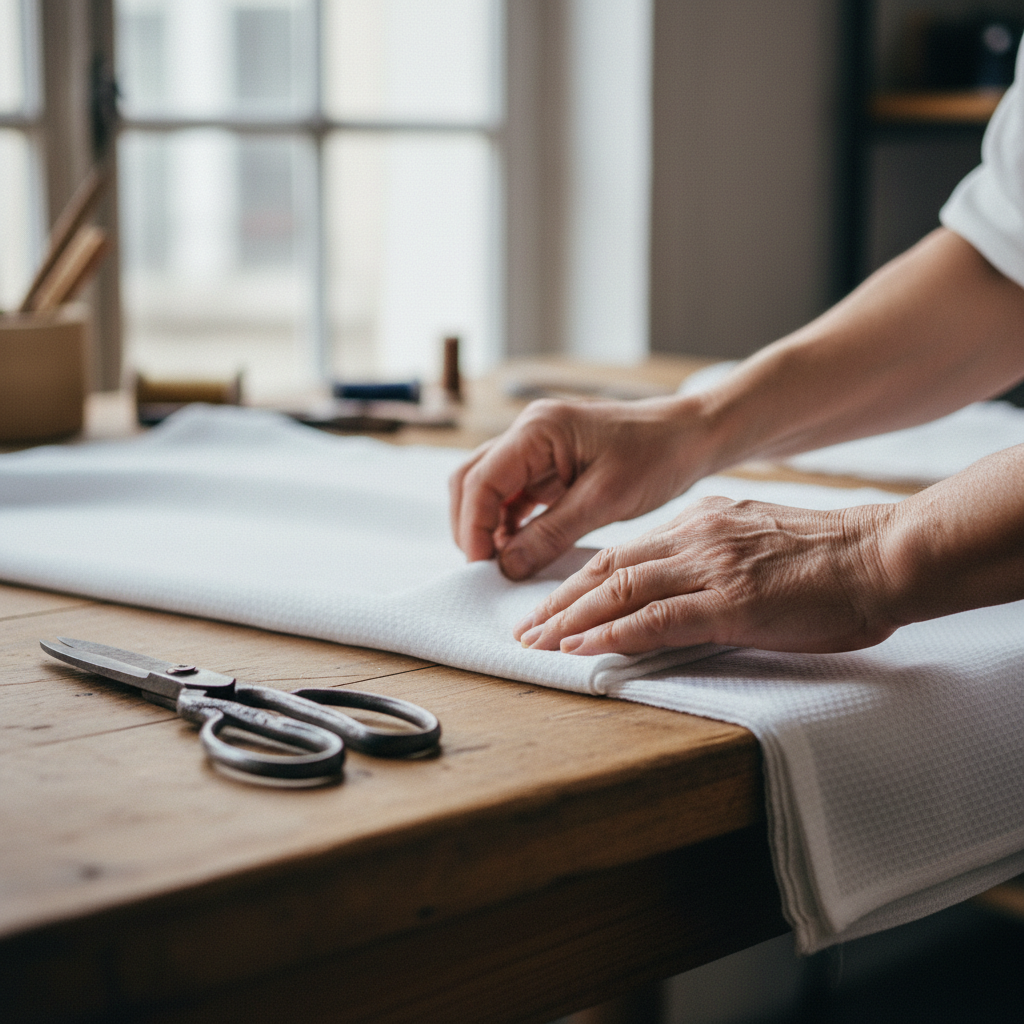
Mass-produced children’s clothing is engineered for efficiency, not longevity. In high-volume factories, the priority is output per hour, which frequently leads to compromised construction. You will often find overlocked seams that lack the necessary tension to survive multiple washes, and synthetic blends that pill or lose their shape quickly. These items are designed to be temporary, reflecting a business model built on over-forecasting and eventual landfill waste.
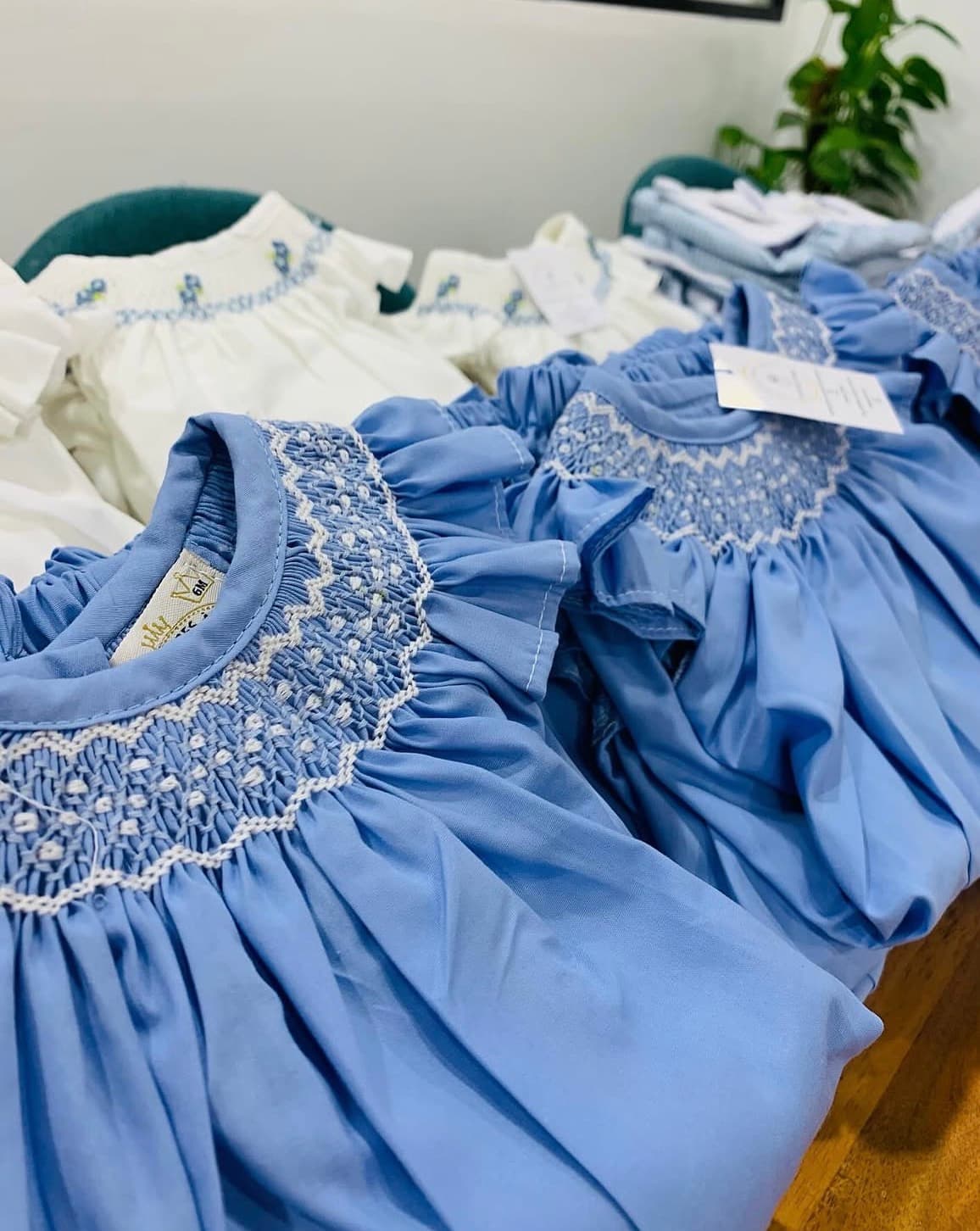
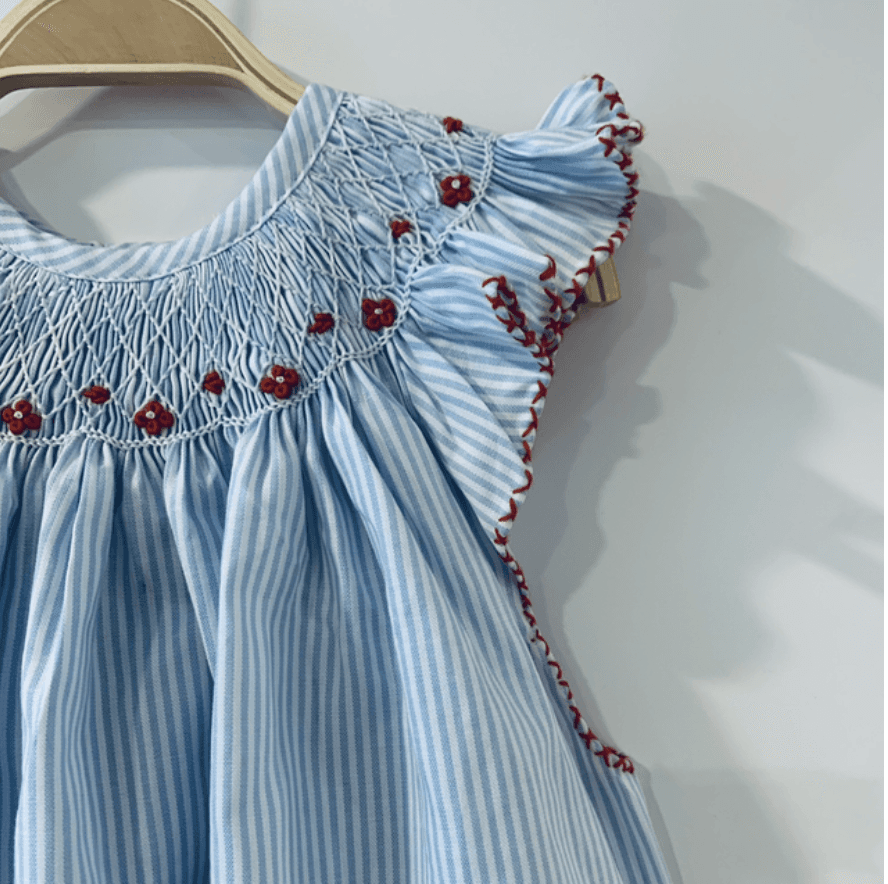
Artisan craftsmanship operates on a different set of principles. When sourcing from small Parisian ateliers, the focus shifts to the physical integrity of every garment. Artisans emphasize reinforced stress points, such as double-stitched armholes and secured buttons, which are critical for active children. These pieces often feature hand-stitched details and French seams, providing a clean finish that prevents skin irritation and adds significant structural strength. The difference is tactile; a hand-finished collar or a hand-smocked bodice possesses a level of detail that a machine cannot replicate.
The small-batch model also addresses the environmental burden of the fashion industry. By producing limited, heirloom-quality collections based on actual demand rather than speculative volume, artisans significantly reduce textile waste. This intentional approach ensures that every yard of fabric is utilized with purpose. For parents, this translates into garments that feel substantial and look refined, maintaining their shape and color long after mass-market alternatives have failed. Choosing slow fashion for children allows families to invest in the skill of a dedicated maker, ensuring that every piece in a child's wardrobe is a result of human expertise rather than an automated, high-speed process.
The Search for 100% Cotton and Natural Fibers
The scarcity of pure natural fibers in mainstream retail often prompts the question: why is nothing 100% cotton anymore? The answer lies in the economics of mass production. Fast fashion manufacturers frequently rely on polyester blends and synthetic additives to reduce raw material costs and increase the speed of garment finishing. While these blends might mimic the look of natural textiles, they lack the structural integrity and physiological benefits of pure fibers. Synthetic fabrics trap heat and moisture against the skin, which is particularly problematic for active children in a coastal environment.
In the intense humidity of Clearwater, Florida, the choice of textile is a matter of practical comfort. We prioritize 100% organic cotton and linen because these fibers are naturally hollow and absorbent, allowing for superior thermal regulation. Unlike synthetic alternatives that create a greenhouse effect on the body, breathable children's clothing fabrics allow air to circulate freely. This natural ventilation keeps a child cool during a midday walk along the Gulf Coast. Linen, specifically, is prized for its ability to wick moisture and its inherent durability, while organic cotton ensures that no harsh chemical residues touch a child's sensitive skin. Choosing limited, heirloom-quality collections made from these fibers is a cornerstone of slow fashion for children, ensuring a level of ease and sophistication that mass-market blends simply cannot replicate.
Beyond the Fabric: The Ethics of Artisan Sourcing
The true heart of slow fashion for children lies in the human hands that shape each garment. Choosing ethically sourced clothing means moving beyond anonymous factory lines and reconnecting with the individuals behind the seams. At Petit Soleil, our commitment involves direct partnerships with local Parisian artisans who have spent decades perfecting traditional European needlework. These makers operate in small, family-run ateliers where labor rights are respected and fair wages are a standard expectation, ensuring that the craftsmanship is never achieved at the expense of the creator.
When you select from our limited, heirloom-quality collections, you are supporting a real person and preserving a craft at risk of being lost to automation. This ethical transparency creates a meaningful bridge between a quiet workshop in France and a family home in Clearwater. Knowing who made a child's dress or romper adds a layer of integrity to the wardrobe, transforming a simple piece of clothing into a shared story of artistry. This intentional sourcing ensures that your child’s wardrobe is built on a foundation of respect for human labor; it ensures each piece is as beautiful in its origin as it is in its design.
Building a Mindful Wardrobe for the Florida Coast
Building a mindful wardrobe begins with a shift from impulsive purchasing to intentional curation. Transitioning from a crowded closet to a streamlined selection involves prioritizing garments that offer both aesthetic cohesion and functional durability. For the coastal Florida lifestyle, a foundational capsule of five to seven high-quality pieces provides a versatile base. This approach ensures that every item in the wardrobe works in harmony, allowing for effortless daily dressing without the fatigue of excessive choices.
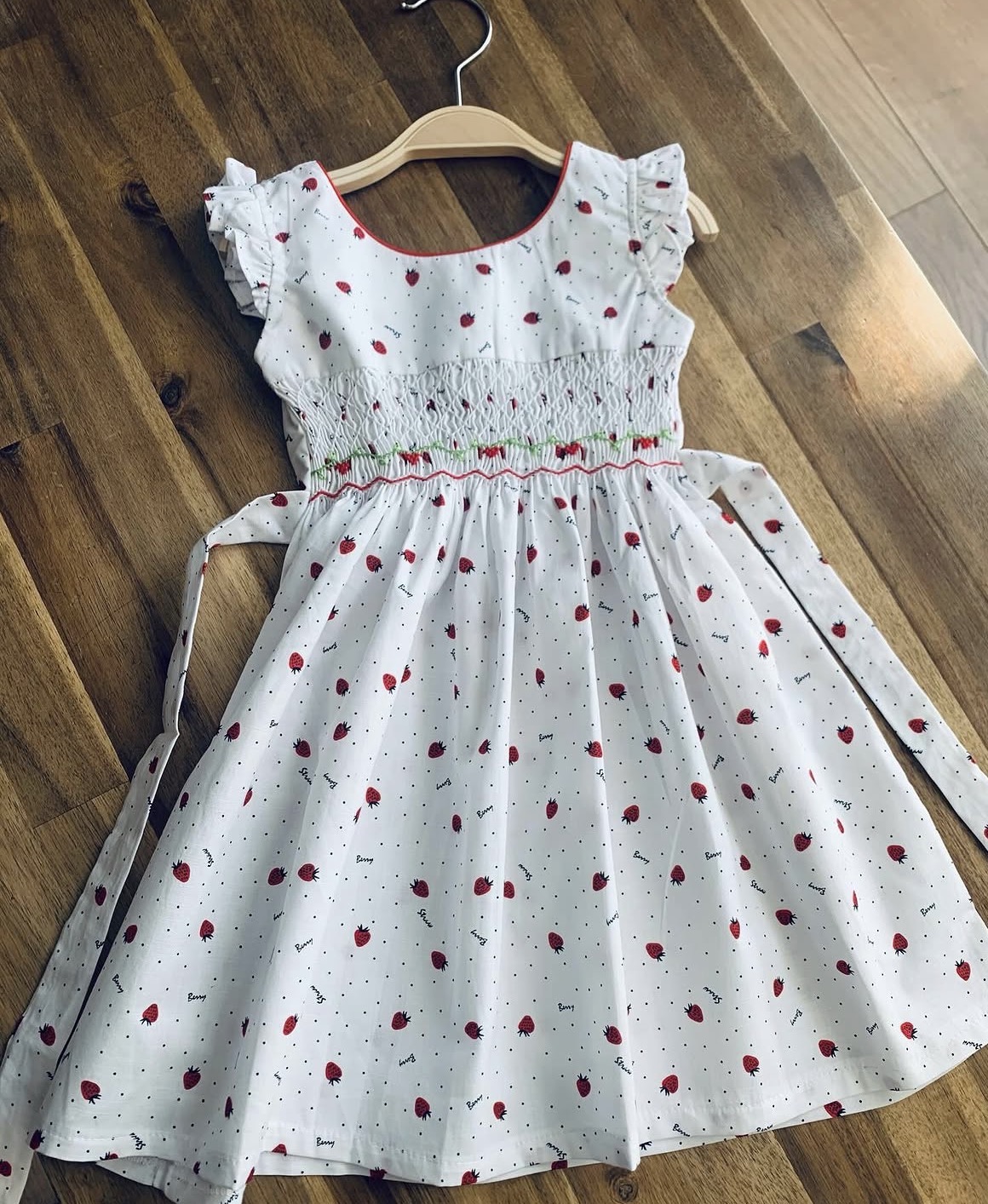
When selecting these limited, heirloom-quality collections, focus on silhouettes that transcend specific occasions. A classic hand-smocked dress or a well-tailored linen romper serves as a versatile staple; these pieces are equally suited for a sunset dinner on Clearwater Beach or a morning stroll through a Parisian park. To maximize the utility of a small collection, prioritize a palette of sophisticated neutrals: soft creams, muted sands, and slate blues. These tones reflect the natural coastal light and ensure that pieces can be mixed and matched across seasons.
Item Type | Ideal Material | Key Design Feature |
|---|---|---|
Smocked Dress | 100% Organic Cotton | Adjustable ties and deep hems |
Linen Romper | European Flax Linen | Breathable weave for high humidity |
Utility Short | Cotton Twill | Reinforced seams for active play |
Knit Cardigan | Fine Gauge Cotton | Layering for evening coastal breezes |
Integrating slow fashion for children into a daily routine also involves looking for practical details like generous seam allowances and adjustable waistbands. These features accommodate growth spurts, extending the life of the garment far beyond a single season. By choosing timeless designs over fleeting, character-based trends, parents foster an early appreciation for quality and craftsmanship. This mindful selection creates a wardrobe that remains elegant, comfortable, and deeply functional in the unique Clearwater climate.
Building a meaningful wardrobe for your child is a beautiful investment in quality, sustainability, and memory. By focusing on heirloom pieces, you prioritize craftsmanship that stands the test of time. If you feel overwhelmed by the process of curating these items, remember that expert guidance can simplify your journey. You can learn more about our philosophy and how we help parents refine their choices on our About page. We are always here to help you create a timeless collection that reflects your family values.