To master how to wash smocked baby clothes, hand wash the items in cool water with a mild detergent or use a delicate machine cycle inside a protective mesh laundry bag. Always air dry these garments by laying them flat to prevent shrinkage and protect the intricate hand-stitched embroidery from heat damage. These gentle cleaning steps ensure that your heirloom quality pieces maintain their shape and elasticity for future generations.
There is a distinct sense of trepidation that comes with laundering a hand-smocked heirloom, especially when a cherished piece meets the inevitable mess of childhood. These garments represent more than just beautiful design; they are delicate works of art that require a specialized touch to maintain their structure and charm. Understanding the nuance of thread tension and fabric care is essential to ensuring these pieces endure through years of wear and milestones. This guide provides a comprehensive roadmap for preserving your collection, from gentle hand-washing techniques to expert stain removal strategies. You will learn the precise methods for drying and reshaping silhouettes, the correct way to iron intricate pleats, and how to store your treasures safely within the unique climate of coastal Florida. By following these professional steps, you can confidently care for your Petit Soleil wardrobe while securing its legacy as a family keepsake.
Understanding the Craft: Why Hand Smocked Heirloom Pieces Require Specific Care
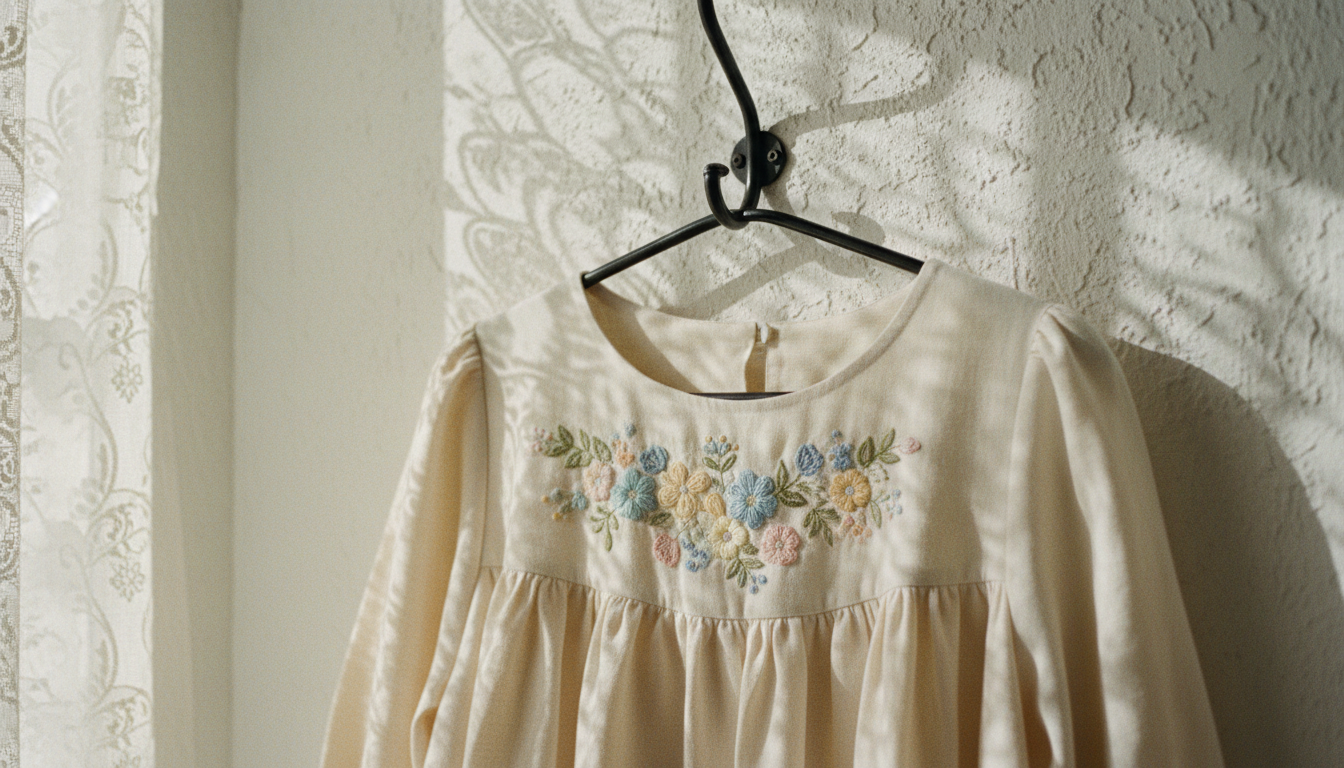
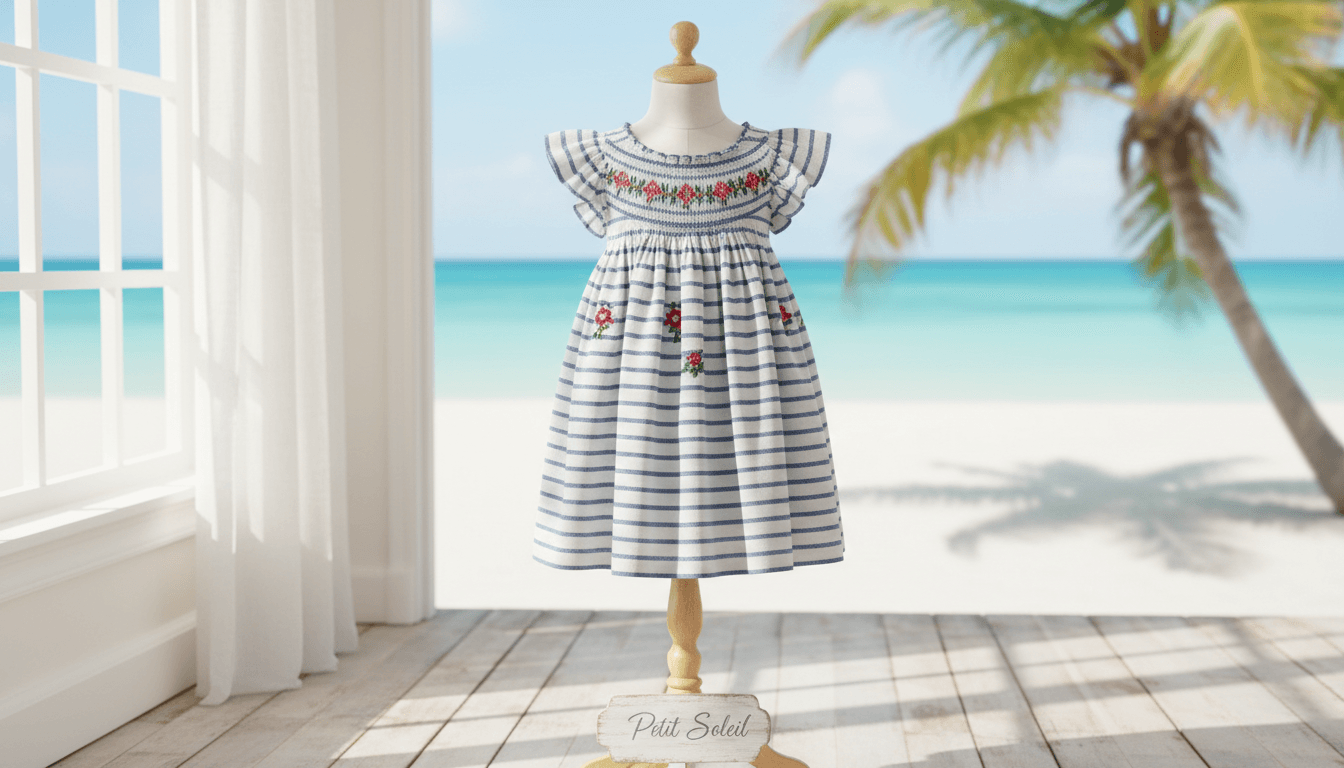
At Petit Soleil, we view each piece in our curated heirloom collections as a work of art rather than mere apparel. To understand the necessity of specialized care, one must first ask: what do smocked baby clothes mean in the context of authentic craftsmanship? True smocking is a centuries-old structural technique where fabric is meticulously gathered into rows of uniform pleats and then secured with decorative embroidery threads. Our pieces are sourced exclusively from local Parisian artisans who hand-stitch these intricate designs, creating a natural elasticity that allows the garment to move with a child.
This traditional method differs significantly from mass-produced 'smocked-effect' clothing, which often relies on mechanical elastic shirring to mimic the look. In an authentic heirloom piece, the delicate embroidery threads provide the tension that holds the silhouette together. Because the integrity of the garment relies on these hand-sewn fibers, aggressive agitation or harsh chemicals can easily snap the threads or distort the pleats. Protecting the artistry of these Parisian-made garments begins with recognizing that the smocking is the structural heart of the outfit, making it imperative to learn how to wash smocked baby clothes with precision and patience.
The Golden Rules for Washing Smocked Baby Outfits Without Damage
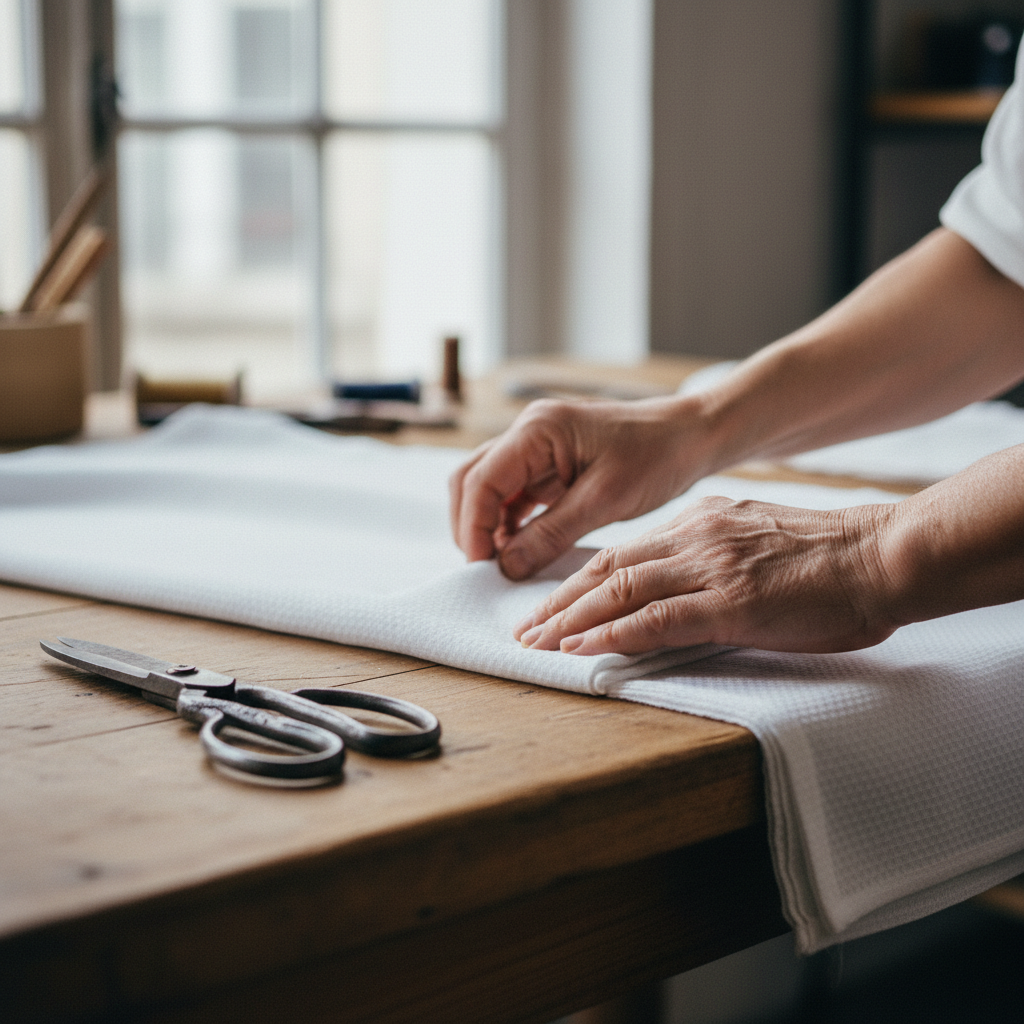
To preserve the intricate structure of your curated heirloom collections, the washing process must be deliberate and gentle. While modern convenience often points toward the laundry room, the most effective way to learn how to wash smocked baby clothes involves returning to traditional methods that respect the craftsmanship of our local Parisian artisans.
Follow these three golden rules to maintain the garment's integrity:
Invert the Garment: Always turn the outfit inside out before it touches water. This simple step creates a protective barrier for the hand-smocked panel, preventing the delicate embroidery threads from snagging or rubbing against other surfaces.
Temperature Control: Use strictly cold water. High temperatures are the primary cause of fiber shrinkage in natural cotton voile and fine linen. Cold water ensures the tension of the smocking remains consistent with the rest of the bodice.
Chemical Neutrality: Select a gentle, pH-neutral detergent specifically formulated for delicates. Avoid bleach, which aggressively breaks down natural fibers and can lead to yellowing. Similarly, skip fabric softeners; these contain chemicals that coat the fibers, weighing down the airy texture of the fabric and potentially damaging the elasticity of the smocking.
While many high-end machines offer a delicate or hand-wash cycle, the mechanical agitation, however slight, can still stress hand-sewn seams. For the best results, immerse the garment in a clean basin of cool, soapy water for a 10-minute soak. This allows the detergent to lift impurities without the need for scrubbing or spinning. Gently swirl the water with your hands, then rinse thoroughly with cool water until all suds are gone. This mindful approach ensures that the sophisticated charm of your Petit Soleil pieces remains intact for future generations, reflecting our commitment to giving back to children in need by creating clothing built to last.
How to Remove Stains from Delicate Heirloom Fabrics
While a gentle soak addresses general freshening, specific spills require a more surgical approach to ensure the longevity of the fabric. Heirloom garments are meant to be cherished in the moment, yet successful stain removal on artisan fabrics requires a "less is more" philosophy. For protein-based stains like formula or milk, or the vibrant pigments found in organic baby food, speed is your primary ally. However, in our Clearwater climate, you must also contend with salt spray which can crystallize within fibers and mineral-based sunscreens that leave stubborn white residues on fine cotton.
The primary rule is to spot treat the specific blemish rather than subjecting the entire smocked panel to friction. Aggressive scrubbing can permanently distort the tension of the embroidery threads hand-set by local Parisian artisans. To treat a spot, place a clean white towel underneath the fabric and use a soft-bristled baby toothbrush or a cotton swab to gently dab a pH-neutral solution into the fibers. This stippling motion lifts the debris without pulling at the delicate pleats. By mastering these targeted techniques as part of your routine for how to wash smocked baby clothes, you ensure that minor spills do not compromise the structural integrity of your curated heirloom collections.
Drying and Reshaping: Protecting the Silhouette
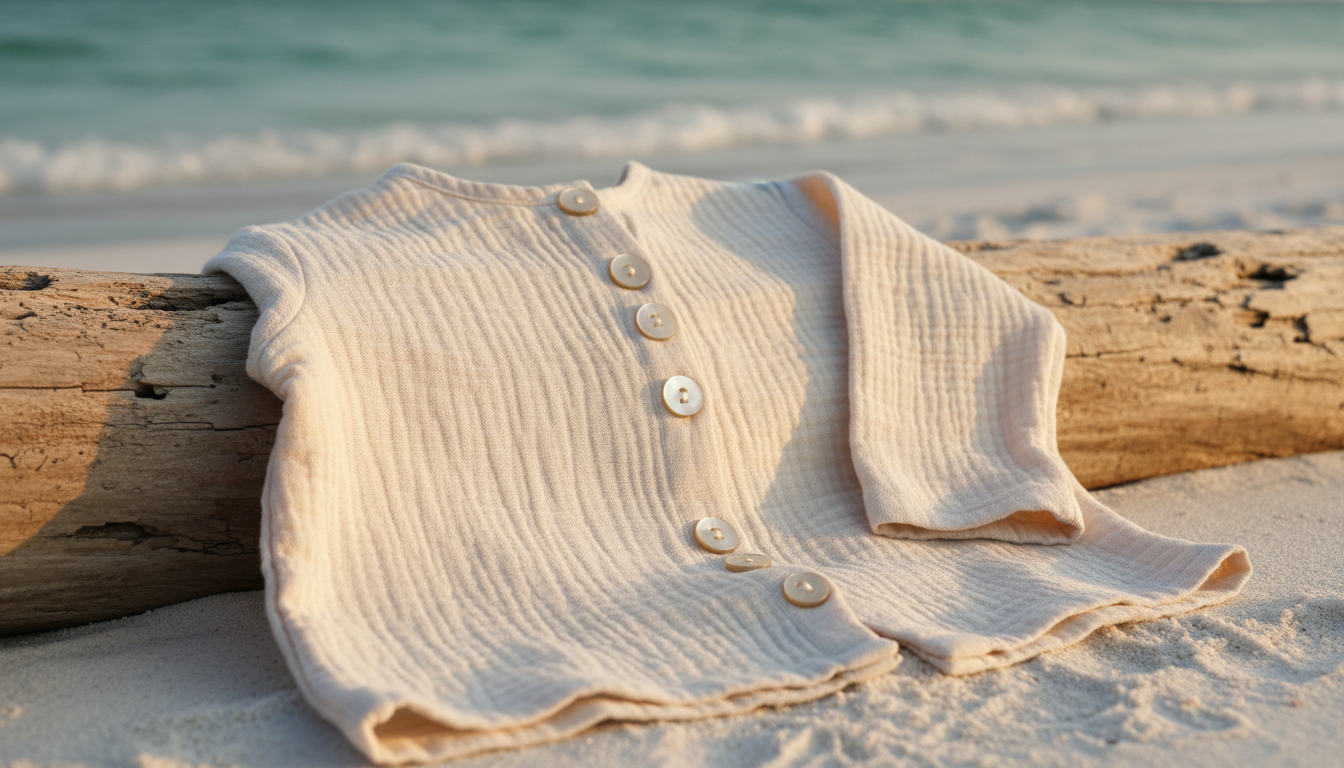
The final stage in mastering how to wash smocked baby clothes is the drying process, where the silhouette is either preserved or compromised. Once the garment is rinsed, resist the urge to wring the fabric or use a tumble dryer. High heat is catastrophic for authentic artisan pieces; it causes the delicate embroidery threads to become brittle and snap, permanently destroying the elasticity that defines our curated heirloom collections. Instead, lay the wet garment on a clean, light-colored towel. Roll the towel gently and press to absorb excess moisture without distressing the fibers.
Unroll the garment and move it to a flat drying rack or a fresh dry towel. To restore the three-dimensional texture created by local Parisian artisans, use a gentle reshaping technique. Hold the smocked panel and pull it softly in a horizontal direction, then vertically, ensuring each pleat is aligned and open. This step prevents the embroidery from locking in a compressed state as it dries. In our coastal Clearwater environment, placement is key. Ensure the garment dries in a shaded, well-ventilated area. While the Florida sun is beautiful, its intense UV rays can act as a natural bleach, leading to uneven fading on delicate cotton voile or linen. Proper positioning ensures the sophisticated hues of your Petit Soleil pieces remain as vivid as the day they left the atelier.
Ironing Techniques for Smocked Dresses, Bubbles, and Bishops
Once your garment is dry and reshaped, a professional press restores the crisp elegance typical of our curated heirloom collections. The most critical rule in maintaining these pieces is to never press the iron directly onto the hand-smocked panel. Applying the weight and heat of a soleplate flattens the intricate, three dimensional texture created by our local Parisian artisans, effectively crushing the structural pleats that provide the outfit's character. Instead, iron the surrounding fabric of the skirt or bodice, using the tip of the iron to work carefully around the embroidery.
While the initial steps of how to wash smocked baby clothes focus on fiber safety, this finishing stage ensures the garment retains its boutique silhouette. To refresh the smocking itself, utilize a high steam setting or hold a slightly damp press cloth above the panel, allowing the vapors to relax the fibers without physical pressure. For a Bishop neckline, guide the iron around the circular yoke, focusing on the sleeves and hem. When handling Jon Jon shoulder tabs, press the tabs flat but stop well before the iron reaches the chest smocking to preserve its bounce and depth.
Preserving Baby Clothes as a Keepsake: Long-Term Storage in Coastal Florida
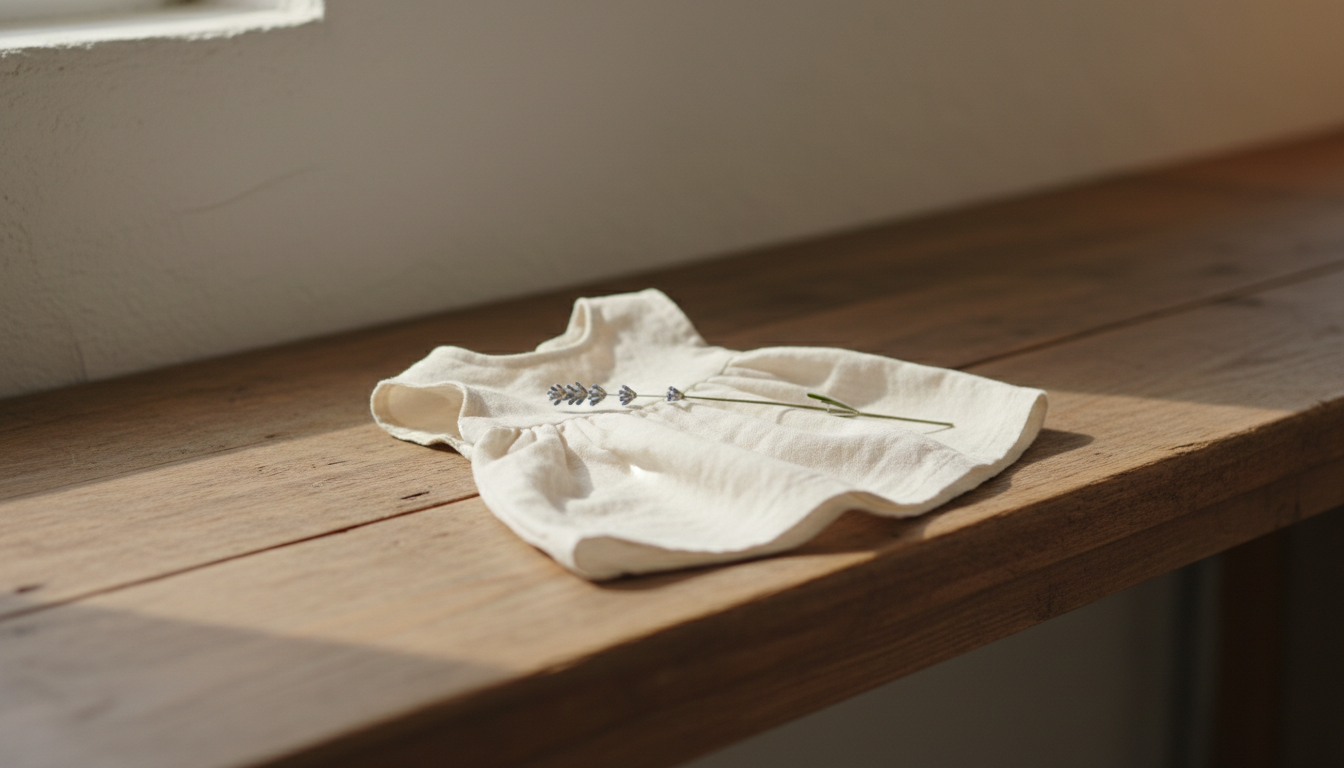
Once the ironing process is complete, the focus shifts from immediate wear to long-term preservation. In our Clearwater environment, the coastal air presents specific challenges for curated heirloom collections. The combination of high humidity and salt-laden breeze can be unforgiving to natural fibers; if left unprotected, delicate cotton and linen are prone to mildew and the localized yellowing that often plagues vintage white garments.
Understanding how to preserve baby clothes in this climate begins with the rejection of airtight plastic storage bins. While these containers seem like a logical defense against the elements, they actually trap residual moisture and emit harmful gases that can weaken the hand-stitched threads from local Parisian artisans. Instead, opt for a breathable storage solution. Wrap each piece individually in acid-free tissue paper, placing the paper inside the garment and between the folds to prevent the fabric from resting directly against itself. This padding supports the smocking panel and maintains the three-dimensional structure of the embroidery.
Store these wrapped pieces in breathable cotton garment bags or archival-quality boxes rather than wood or cardboard, which contain acids that cause staining over time. Establish a yearly ritual to maintain the integrity of the fabric. Once a year, remove the garments from their boxes to inspect them and refold them along different lines. This simple act prevents permanent creases from setting into the fibers, which can lead to structural brittle points in the linen or cotton. Taking these extra precautions ensures that the sophisticated charm of your Petit Soleil pieces remains pristine for future generations. While the initial goal is learning how to wash smocked baby clothes, the ultimate reward is seeing those same pieces emerge from storage years later, looking as radiant as the day they were first worn.
When to Retire a Piece: Recognizing the Transition from Wear to Keepsake
Parents often evaluate what age babies wear heirloom smocked clothes as they watch their infants transition from the quiet "cherub" stage into active toddlerhood. While our curated heirloom collections provide timeless style for several years, there eventually comes a moment to retire a beloved piece from the wardrobe. The expertise you have gained in how to wash smocked baby clothes ensures that the delicate work of local Parisian artisans remains in gallery condition even after the final wear.
Reflecting our ethos of "fewer, better," consider preserving outgrown pieces through professional framing in a shadow box or by carefully layering them in a cedar chest for the next generation. These heirlooms serve as lasting markers of childhood, designed to be cherished as keepsakes long after your child has grown. By maintaining the integrity of the fabric now, you prepare these pieces for a legacy that honors authentic craftsmanship and giving back to children in need.
Taking the time to hand wash and air dry your smocked baby clothes ensures that these beautiful pieces stay in perfect condition for years to come. While these steps are simple, they do require patience and a gentle touch to preserve the intricate details. If you would prefer to leave the care and curation of your child’s wardrobe to the experts, we invite you to learn more about us and our commitment to quality. We are here to help you maintain a timeless collection without the extra stress.